

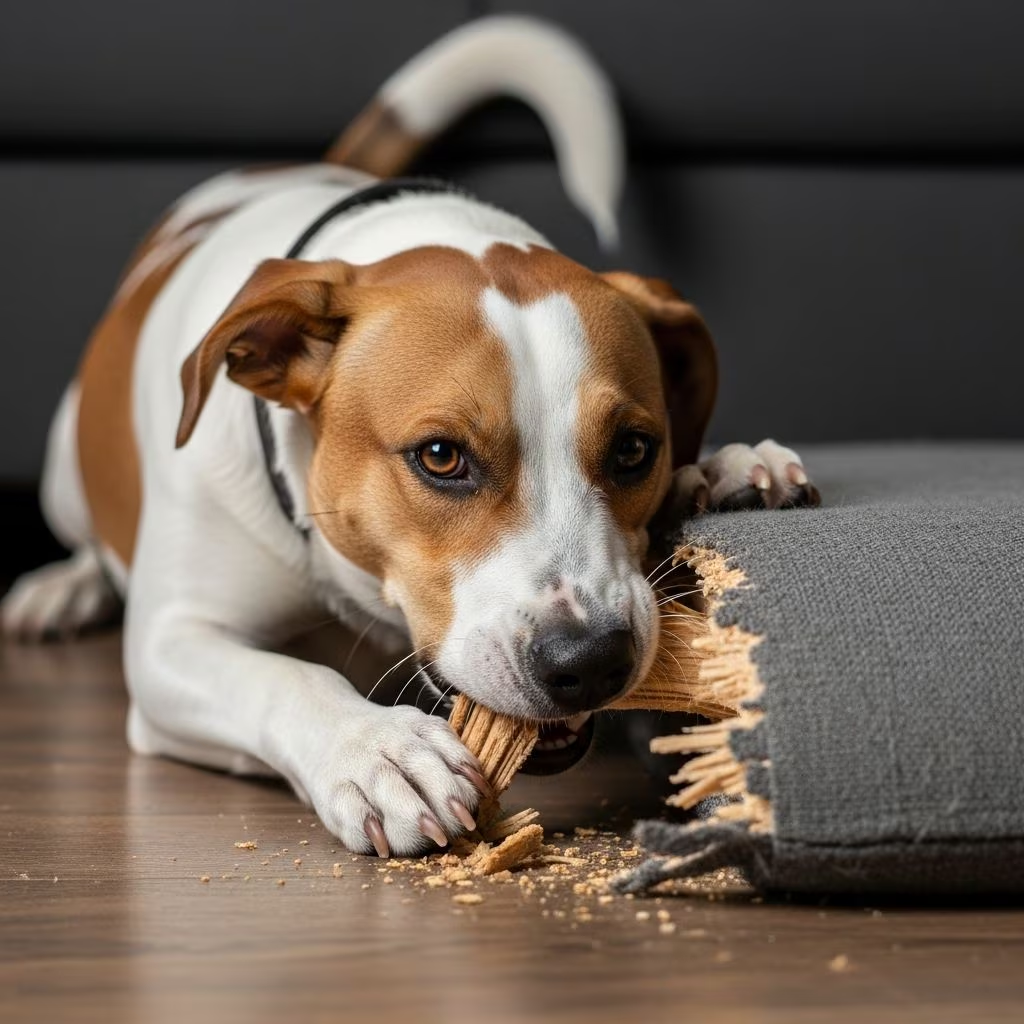
Destructive chewing on household items like sofas, chairs, and tables is a common challenge for dog owners. This behavior stems from natural instincts but can be managed through targeted strategies that address root causes and provide positive alternatives. By combining prevention, redirection, and consistent training, you can safeguard your belongings while supporting your dog’s well-being.
Understanding Why Dogs Chew Furniture
Dogs chew for various reasons tied to their biology and environment. Puppies explore the world with their mouths, using chewing to relieve teething discomfort. Adult dogs may chew to alleviate boredom, anxiety, or excess energy. Lack of mental stimulation or insufficient exercise often leads them to target furniture as a convenient outlet.
Attention-seeking plays a role too; even scolding provides interaction, reinforcing the behavior inadvertently. Without suitable chew options, dogs default to what’s available, like wooden legs or upholstered cushions that mimic preferred textures. Identifying the trigger—whether teething, stress, or play—allows for tailored solutions.
Boost Physical Activity to Reduce Chewing
Increased exercise burns energy that might otherwise fuel destructive habits. Aim for longer walks, more frequent outings, or high-intensity play sessions. Dog parks, beach runs, or agility courses engage both body and mind, tiring dogs sufficiently to minimize mischief.
For busy owners, professional dog walkers can fill gaps, ensuring daily activity levels match your dog’s breed and age needs. Puppies require shorter, frequent bursts, while high-energy breeds like Labs or Border Collies thrive on 60+ minutes of vigorous exercise. Post-exercise, dogs are less likely to gnaw on furniture, promoting calmer indoor behavior.
Enhance Mental Engagement for Bored Dogs
Beyond physical outlets, mental challenges prevent boredom-induced chewing. Introduce novel experiences like new walking routes or puzzle toys filled with kibble. Training sessions teaching tricks—such as ‘spin’ or ‘find it’—build focus and reward seeking.
Games like hide-and-seek or scent work around the house stimulate natural instincts. Tools such as lick mats smeared with peanut butter or slow-feeder bowls extend mealtimes, occupying dogs for 20-30 minutes. Rotate activities weekly to maintain interest, turning potential chewers into engaged companions.
Selecting and Introducing Ideal Chew Toys
Appropriate chew toys are essential for redirecting energy safely. Opt for durable options matching your dog’s preferences: firm rubber for power chewers, plush destructibles for fabric lovers, or ropes for tuggers. Avoid hard items like antlers or certain plastics that risk dental fractures, and swallowable pieces like tennis ball fuzz for large breeds.
Make toys irresistible by smearing with treats or freezing wet for prolonged appeal. Rotate selections every few days to combat boredom—store extras out of sight. Place toys near problem areas initially, praising use to associate furniture with redirection. For puppies, puppy-specific soft chews soothe gums without harm.
| Chew Toy Type | Best For | Safety Notes |
|---|---|---|
| Firm Rubber (e.g., Kong) | Adult power chewers | Durable, fillable; inspect for wear |
| Plush Toys | Fabric destroyers | Remove stuffing if shredded |
| Rope Toys | Tug and fetch players | Wash regularly; supervise use |
| Wood-like Chews | Furniture mimickers | Dog-safe only; no real wood |
Implementing Safe Deterrents Effectively
Taste and texture repellents make furniture unappealing without harm. Commercial bitter sprays like Bitter Apple or Cherry, applied daily for 3-4 weeks, interrupt habits by creating unpleasant flavors dogs avoid. Homemade versions include a 1:5 mix of apple cider vinegar or lemon juice with water—reapply after cleaning.
- Vinegar Spray: Strong scent deters sniffing; safer for frequent use.
- Lemon Peel Rub: Natural sourness from fresh peels repels via smell and taste.
- Chili Mix: Cayenne in water (1 tbsp per quart); use sparingly to avoid ingestion upset.
Double-sided tape on legs adds tactile aversion, altering feel without chemicals. Always supervise initial applications to ensure tolerance, and combine with positive toy reinforcement for best results.
Environmental Management and Supervision
Prevention trumps correction: limit access to tempting areas using baby gates or closed doors. High, sturdy gates prevent jumping, confining dogs to chew-proof zones like crates or playpens stocked with toys.
Remove or secure valuables—shoes in closets, remotes in drawers. During unsupervised times, crating with a stuffed toy provides security and prevents practice of bad habits. Gradual alone-time training builds independence, reducing separation anxiety that fuels chewing.
Training Techniques for Lasting Change
Teach ‘leave it’ and ‘take it’ commands to guide choices. When catching mid-chew, calmly interrupt with a toy, praising engagement. Consistency is key: never chase or yell, as it escalates excitement.
Air canister hissers paired with ‘off’ deter jumping/chewing without touch. For anxiety-driven cases, pheromone diffusers or vet-prescribed calming aids complement behavioral efforts. Professional trainers help with persistent issues, ensuring humane, effective progress.
Addressing Underlying Health or Age Factors
Rule out medical causes like dental pain or nutritional gaps via vet checkups. Teething pups (3-6 months) need frequent gum soothers; seniors may chew from cognitive decline. Breed traits matter—retrievers chew more than others.
Tailor solutions: increased chews for teethers, softer toys for elders. Monitor progress; if unchanged after 2-4 weeks, consult pros for personalized plans.
Frequently Asked Questions (FAQs)
Why does my adult dog suddenly chew furniture?
Stress, boredom, or changes like new routines trigger it. Boost exercise and toys first.
Are bitter sprays safe for all dogs?
Yes, when used as directed; test small areas and supervise. Avoid eyes/mouth.
How long until chewing stops?
1-4 weeks with consistent methods; habits break faster with prevention.
What if my dog ignores chew toys?
Enhance appeal with treats; rotate types to match preferences.
Can punishment work?
No— it increases fear/anxiety. Focus on positives and redirection.
Creating a Chew-Proof Home Long-Term
Sustainable success blends exercise, enrichment, deterrents, and training. Track progress in a journal, adjusting as needed. Involve family for uniformity. With patience, your dog learns appropriate outlets, preserving furniture and strengthening your bond. Invest in quality toys and routines for a harmonious household.
References
- Why Does My Dog Chew My Furniture and Baseboards? — American Kennel Club (AKC). 2023. https://www.akc.org/expert-advice/training/why-does-my-dog-chew-my-furniture-and-baseboards/
- Preventing Unwanted Chewing — Wisconsin Humane Society. 2024-03-15. https://www.wihumane.org/chewing
- How to Stop Your Dog’s Destructive Chewing — Humane World. 2023-08-10. https://www.humaneworld.org/en/resources/stop-your-dogs-chewing
- Genius Hack To Stop Your Dog From Chewing Furniture — Rachael Ray Show (YouTube via Celebrity Trainer). 2019-05-20. https://www.youtube.com/watch?v=siHQPKZE2yk
- Home Remedies to Stop Your Dog Chewing on the Furniture — SparkPaws (citing Health Extension). 2024. https://www.sparkpaws.com/blogs/community/stop-dog-chewing-furniture-home-remedies
- How To Stop A Dog From Chewing Furniture: Training Guide — K9 Mania Dog Training. 2023-11-01. https://k9maniadogtraining.com/how-to-stop-a-dog-from-chewing-furniture/



