

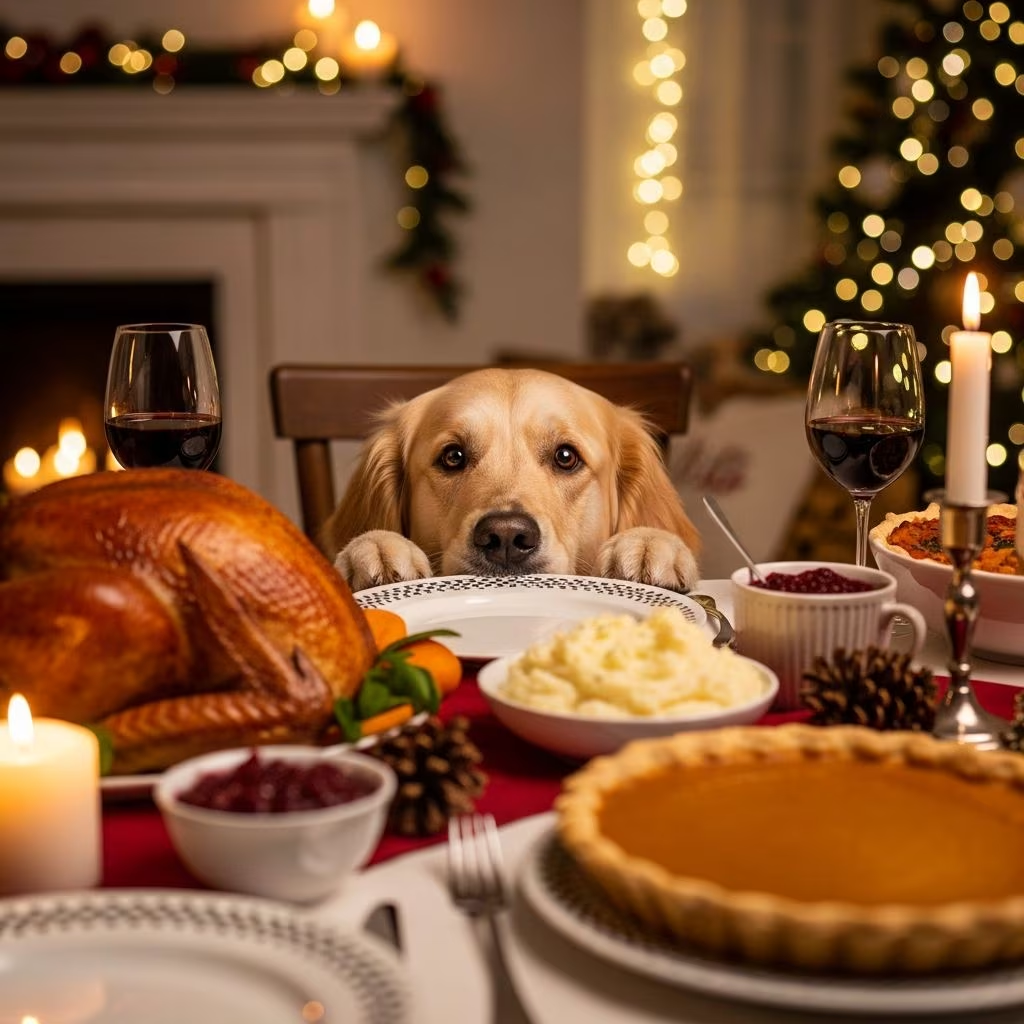
Stop Dog Begging This Holiday Season
The holiday season brings families together around the dinner table, but for many dog owners, it also brings the challenge of managing a persistent canine beggar. When delicious aromas fill your home and family members gather for festive meals, your dog’s natural instincts kick in, and those pleading puppy-dog eyes become almost impossible to resist. However, giving in to begging not only reinforces unwanted behavior but can also lead to serious health consequences for your furry companion, including digestive issues, obesity, and potential toxicity from foods that are dangerous for dogs.
The good news is that with patience, consistency, and the right training techniques, you can teach your dog to behave appropriately during holiday gatherings. This comprehensive guide will provide you with practical strategies to help your dog enjoy the festivities while maintaining good manners and protecting their health.
Understanding Why Dogs Beg
Before diving into solutions, it’s important to understand the root cause of begging behavior. Dogs beg because it works—or at least, it has worked in the past. When your dog sits by the table with those big, soulful eyes and receives a piece of chicken or turkey, they learn that begging is an effective way to get food. This behavior is reinforced every single time someone at the table gives in to their pleading.
Additionally, dogs are social creatures. During holiday meals, your dog wants to be part of the action and feels excluded when separated from the family gathering. Begging is their way of participating in the event while also seeking the reward of food and attention. Understanding this motivation helps you develop strategies that address both the behavioral and emotional aspects of the issue.
Prevention: The Foundation of Success
The most effective approach to stopping dog begging during the holidays is prevention. If you can avoid reinforcing the behavior in the first place, you’ll have a much easier time managing it throughout the season.
Never Feed Your Dog from Your Plate
The cardinal rule for preventing begging is simple: never feed your dog from your plate or directly from the table. This single decision is the foundation upon which all other training efforts are built. Every time someone gives your dog food from the table—whether it’s intentional or accidental—you’re sending the message that begging works. Make this rule clear to all family members and guests before the holidays begin.
Separate Feeding Areas
One of the most effective environmental management strategies is to feed your dog in a completely separate room from where you eat. This physical separation creates a clear boundary and prevents your dog from being in proximity to the food and temptation. During holiday meals, feed your dog in the kitchen or another room well before or after the family meal, establishing a routine that your dog can depend on.
Training Techniques to Combat Begging
Once you’ve established prevention strategies, implementing targeted training techniques will give you the tools needed to redirect your dog’s behavior when they do attempt to beg.
Teach Basic Obedience Commands
Teaching your dog basic obedience commands like “Sit,” “Stay,” and “Leave it” is essential for discouraging impulse-based begging behavior. These foundational commands give your dog clear directions about what behavior you want to see instead of begging.
Sit and Stay: Train your dog to sit and remain in place during mealtimes. If your dog learns a strong sit and stay command, you can direct them to sit when you sit down to eat, and they’ll wait patiently until the meal is finished. This takes time to develop, but the effort is worth the payoff. Practice these commands regularly, not just during mealtimes, so your dog has a solid understanding before the holidays arrive.
Leave It Command: The “Leave it” command is invaluable for preventing your dog from eating dropped food or other table items during holiday gatherings. This command teaches your dog to actively disengage from a stimulus and move away from it. Train this command extensively so your dog responds reliably, even when temptation is present.
Down-Stay: The Holiday Meal Solution
Many professional trainers recommend teaching the “down-stay” command as the premier technique for holiday meal management. This command is more effective than sit-stay because it’s harder for your dog to suddenly jump up and grab food from a lying down position. Here’s how to teach this behavior:
Start by asking your dog to lie down and stay in that position. While you’re eating, occasionally toss small treats between your dog’s front legs to keep them lying down and engaged. This ensures your dog remains calm and rewarded for staying in place. Over time, gradually increase the distance, eventually asking your dog to maintain a down-stay from across the room. If your dog begins creeping toward the dining table, simply reset them to their position and continue practicing.
Create an Alternative Behavior
Rather than simply trying to suppress begging, it’s more effective to teach your dog an alternative behavior they can perform instead. This approach addresses the social aspect of mealtime while maintaining the boundaries you want to establish.
The “Go to Your Spot” Command
Train your dog to go to a designated spot like a bed, crate, or mat away from the table using a command like “Go to Your Spot.” This allows your dog to still feel like they’re part of the family gathering while maintaining a safe distance from food. The key is to make this spot comfortable and rewarding. Your dog should view this location as their special place during meals, not as a punishment.
Provide Engaging Distractions
Give your dog something else to focus on during mealtimes. Puzzle toys and food-dispensing toys are excellent choices for maintaining your dog’s attention and keeping them occupied. A Kong toy stuffed with frozen peanut butter (ensuring it’s xylitol-free) can keep a dog engaged throughout an entire meal. Prepare these special treats ahead of time so you’re ready when mealtime arrives. Rotate different toys so your dog doesn’t become bored with the same option every day.
Set up your dog’s designated spot with their special toy and treats. As your dog remains in their spot instead of begging, occasionally toss a small treat to reinforce that staying in place results in rewards. The more this behavior is reinforced, the faster it becomes a habit.
Environmental Management Strategies
Sometimes the best solution is to manage your dog’s environment to prevent begging opportunities altogether.
Physical Barriers
Use baby gates, pet gates, or closed doors to create physical barriers between your dog and the dining area during meals. This prevents your dog from having access to the table and removes temptation entirely. If your dog is crate trained, closing them in their crate during mealtimes is another effective option. While this may seem restrictive, it’s a compassionate way to set boundaries and prevent unwanted behavior.
Tethering
For dogs who aren’t crate trained, tethering is an alternative management strategy. Use a comfortable leash attached to a sturdy object at a distance from the table. Pair this with a food-stuffed toy so your dog associates being tethered with positive rewards. Over time, your dog will learn that tethering during meals means good things happen.
Supervised Practice
If your dog has made good progress with training, gradually practice unsupervised compliance during meals. Set out a dog bed or mat at a distance from the table and practice having your dog lie down and stay on their designated place while you cook and eat. If your dog breaks their stay and gets up from their place, simply reset them in the correct position and continue. This practice builds their reliability and strengthens the behavior before the actual holiday gatherings.
What NOT to Do When Managing Begging
Don’t Give Attention to Begging
One of the most important rules is to completely ignore your dog’s begging behavior—at all. Do not tell your dog “no” or otherwise interact with them negatively, because even negative attention functions as attention in your dog’s mind. Instead, continue calmly eating your food without responding to begging at all. If your dog starts to get in your face or your food and you must respond, redirect them to their spot or use another training technique rather than simply scolding them and pushing them away.
Reward Away from the Table
When rewarding your dog for good behavior during meals, avoid giving the reward while sitting at the table yourself. Instead, stand up and walk a few steps away from the table before giving your dog a treat for sitting politely or staying in their spot. This teaches your dog that leaving the table area results in rewards, not staying at the table. Over time, your dog will figure out that waiting by the table doesn’t result in anything positive.
Pre-Meal Preparation for Holiday Success
Setting yourself up for success during the holidays requires advance planning and preparation.
Exercise Before Meals
Train your dog to understand commands after they’ve had physical exercise, as a tired dog will be less energetic and better behaved than one with pent-up energy. Schedule a good walk or play session before holiday meals to ensure your dog is calm and receptive to training. A well-exercised dog is also less likely to be overly interested in food on the table.
Communicate with Family and Guests
Make sure all family members and holiday guests understand the rules before the gathering begins. Explain that feeding your dog table scraps undermines training efforts and can cause health problems. Provide your dog’s designated spot and their special toy so guests understand the plan. Consider creating a simple sign near the dining area reminding people not to feed the dog from the table.
Prepare Special Treats in Advance
Make or purchase special toys and treats that are reserved exclusively for mealtimes. This creates anticipation and excitement about their own food, making the begging impulse less strong. Freeze peanut butter in Kongs, prepare special puzzle toys, or pack high-value treats that your dog only receives during family meals.
Holiday-Specific Challenges and Solutions
Managing Multiple Guests
Holiday gatherings often include guests who may not understand your training goals or may be tempted to give your dog “just a little bite.” Station your dog in their designated area away from the main dining space, and be prepared to redirect guests who approach with food. Having your dog occupied with a special toy or treat makes them less available for well-meaning guests to share food with.
Dealing with Dropped Food
During busy holiday meals, food inevitably gets dropped on the floor. Your “Leave it” command becomes crucial in these situations. Practice this command extensively before the holidays so your dog responds reliably when food appears on the ground. Keep your dog tethered or in a designated area during meals if they haven’t mastered this command yet.
Managing Excitement During Parties
Holiday parties with many guests and activity can increase your dog’s excitement and begging behavior. In these situations, crating your dog during peak party times or establishing a quiet room where your dog can relax is appropriate. Your dog’s mental health is more important than their participation in every moment of the celebration.
When to Seek Professional Help
If your dog’s begging behavior is severe or doesn’t improve with these techniques, consider consulting a professional dog trainer or certified animal behaviorist. They can assess your specific situation and provide customized solutions. Professional help is particularly important if your dog shows signs of food aggression or has other behavioral concerns alongside the begging.
Maintaining Good Behavior After the Holidays
The work you put in during the holiday season shouldn’t stop when January arrives. Consistency year-round is essential for maintaining good behavior. Continue practicing obedience commands, maintain your dog’s exercise routine, and never return to feeding your dog table scraps. The habits you establish during the holidays will carry forward and make future gatherings much more pleasant.
Frequently Asked Questions
Q: Is it okay to give my dog a small piece of turkey or ham during the holidays?
A: It’s best to avoid feeding your dog table scraps altogether, as this reinforces begging behavior. Additionally, many holiday foods contain seasonings, garlic, or onions that can be harmful to dogs. Stick to plain, dog-safe treats instead.
Q: How long does it take to train a dog to stop begging?
A: The timeline varies depending on your dog’s age, previous training, and how consistently you apply these techniques. Most dogs show improvement within 2-4 weeks of consistent training, but reaching reliable behavior may take several months.
Q: What should I do if my dog breaks their down-stay during a meal?
A: Calmly reset your dog to their position without any verbal correction or punishment. Simply guide them back to their spot and continue the meal. Patience and consistency are more effective than any form of correction.
Q: Can I use anxiety medication to help my dog during holiday meals?
A: While medication may help in extreme cases, behavioral training is the preferred long-term solution. Consult your veterinarian before considering any medication options.
Q: What foods are toxic to dogs and should I be extra cautious about?
A: Chocolate, grapes, raisins, onions, garlic, macadamia nuts, and foods containing xylitol (artificial sweetener) are all toxic to dogs. Ensure all family members know these dangers.
Q: How can I make my dog’s designated spot more appealing?
A: Place the spot in a location where your dog can still see the family, use a comfortable bed or mat, and always pair it with positive experiences like special toys or treats reserved only for mealtime.
References
- How to Stop Your Dog from Begging at the Table — American Kennel Club. 2024. https://www.akc.org/expert-advice/training/how-to-stop-your-dog-from-begging-at-the-table/
- 6 Tips to Help Prevent Dog Begging — Whitney Veterinary Hospital. 2024. https://whitneyvet.com/6-tips-prevent-dog-begging/
- How to Stop a Begging Dog — Animal Behavior College. 2024. https://www.animalbehaviorcollege.com/blog/pet-training/how-to-stop-a-begging-dog/
- Dog Begging for Food: Here’s What to Do — Zoetis Petcare. 2024. https://www.zoetispetcare.com/blog/article/dog-begging-for-food



