

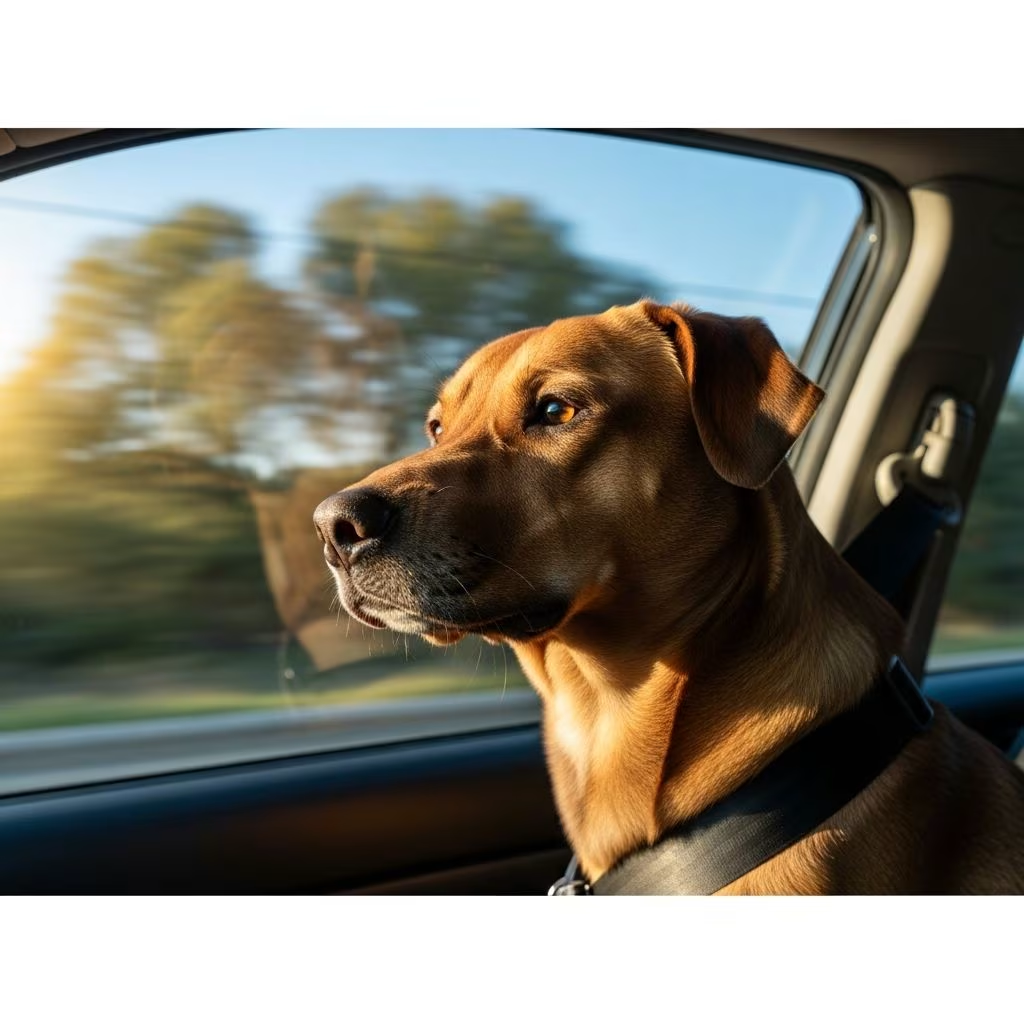
Dogs barking at cars is a widespread issue that disrupts drives and stresses both pet and owner. This behavior often stems from instinctual responses amplified by the car’s confined space, turning routine trips into chaos. By pinpointing triggers and applying targeted training, you can foster tranquility on the road.
Decoding the Reasons Behind Car-Directed Barking
Understanding motivations is the foundation of effective intervention. Dogs vocalize at vehicles for distinct reasons, each demanding a unique approach.
- Fear and Anxiety: The car’s motion, noises, or visible passersby can overwhelm sensitive dogs, prompting defensive barks as a fear outlet.
- Excitement or Frustration: High-energy breeds view moving cars as chase targets, barking from pent-up thrill or barrier-induced irritation when unable to pursue.
- Territorial Instincts: Some perceive the vehicle as their domain, alerting to perceived intruders like cyclists or pedestrians.
Observe patterns: Does barking intensify at specific stimuli? This diagnosis guides your plan.
Initial Management Tactics for Immediate Relief
Before training, prioritize safety and prevention to halt rehearsal of unwanted habits.
| Strategy | How It Works | Benefits |
|---|---|---|
| Secure Restraint | Use crates or harnesses to limit movement and sightlines | Reduces window-bouncing and reactivity |
| Visual Barriers | Hang blankets or tinted covers over windows | Blocks triggers without full isolation |
| Quiet Exercise Zones | Opt for car-free areas like fields for daily needs | Prevents practice of lunging/barking |
These steps create a baseline of calm, essential for subsequent learning.
Building Positive Associations Through Desensitization
Gradually expose your dog to cars at controlled distances to diminish reactivity.
- Select Low-Stress Locations: Park in quiet lots with occasional traffic for ‘Goldilocks’ distance-not too close, not too far.
- Pair Sight with Rewards: When a car appears, offer high-value treats before barking starts, creating positive links.
- Progress Intensity: Shorten distances and increase traffic as tolerance builds; sessions last 5-10 minutes.
Consistency yields results; dogs learn cars predict goodies, not threats.
Counter-Conditioning: Transforming Emotional Responses
Shift your dog’s emotional state from alarm to indifference via repeated positive pairings.
Start stationary: Sit in the parked car reading, rewarding silence intermittently. Evolve to short ‘nowhere’ drives, praising quiet moments. For active triggers, use a treat tube system—drop rewards from the front seat to the back during sightings. Negative punishment aids: Stop the car or withhold attention during barks, resuming rewards for quiet.
- Ignore vocalizations entirely to avoid reinforcement.
- Teach a ‘quiet’ cue like ‘Thank you!’ after initial stops, generalizing from home to car.
Advanced Techniques for Persistent Cases
For entrenched habits, layer in sophisticated methods.
Impulse Control Training: Practice ‘wait’ at doors in low-distraction settings like driveways, releasing only on cue. This curbs bolting and builds patience.
Distraction Tools: Interactive toys engage focus during drives, diverting from windows.
Multi-Dog Households: Train separately first, then together, using individual restraints.
Monitor progress: Track bark frequency per trip, adjusting as needed.
Addressing Breed-Specific Tendencies
Herding breeds like Border Collies instinctively track motion, heightening chase responses. Terriers may territorialize aggressively. Tailor plans: Extra mental games for high-drivers, calmer exposures for fearful types.
Common Mistakes to Sidestep
- Yelling or punishing: Heightens anxiety, worsening outbursts.
- Inconsistent responses: Undermines learning; stay neutral.
- Rushing exposure: Over-threshold triggers regression.
Tools and Gear Recommendations
| Item | Purpose | Tips |
|---|---|---|
| Crash-Tested Harness | Safety restraint | Pair with backseat tether |
| Stuffable Kong | Distraction | Freeze with peanut butter |
| Window Cover | Block views | Removable for rewards |
Long-Term Maintenance for Lasting Calm
Once achieved, reinforce sporadically. Vary routes to generalize behavior. Annual refreshers prevent backsliding, especially post-life changes.
Frequently Asked Questions
Why does my dog only bark at cars from inside the vehicle?
The confined space amplifies barrier frustration or anxiety, unlike open walks.
How long until I see improvement?
Weeks to months with daily 10-minute sessions; patience is key.
What if my dog barks at everything moving?
Start with car desensitization, then expand to walks using similar protocols.
Is professional help necessary?
For severe aggression or fear, consult certified trainers.
Can puppies be trained out of this early?
Yes, prevention via early exposures works best.
References
- Why Does My Dog Bark in the Car? — Kurgo. 2023. https://www.kurgo.com/blog/why-does-my-dog-bark-in-the-car
- Help! My dog barks at people from the car! — Woof Like To Meet. 2021-12. https://www.woofliketomeet.com/2021/12/help-my-dog-barks-at-people-from-the-car/
- Why Do Dogs Bark In Cars And How To Stop It #165 #podcast — YouTube (Podcast). 2022-07-13. https://www.youtube.com/watch?v=XVnjKYoz5WA
- Beep Beep Bark Bark! What to Do About Lunging and Barking at Vehicles — RSD Training. N/A. https://rsdtraining.com/beep-beep-bark-bark-what-to-do-about-lunging-and-barking-at-vehicles/
- Help—My Dog Barks While I’m Driving! — TeleTails. N/A. https://www.teletails.com/blog/help-my-dog-barks-while-im-driving
- Barking — ASPCA. 2024. https://www.aspca.org/pet-care/dog-care/common-dog-behavior-issues/barking



