

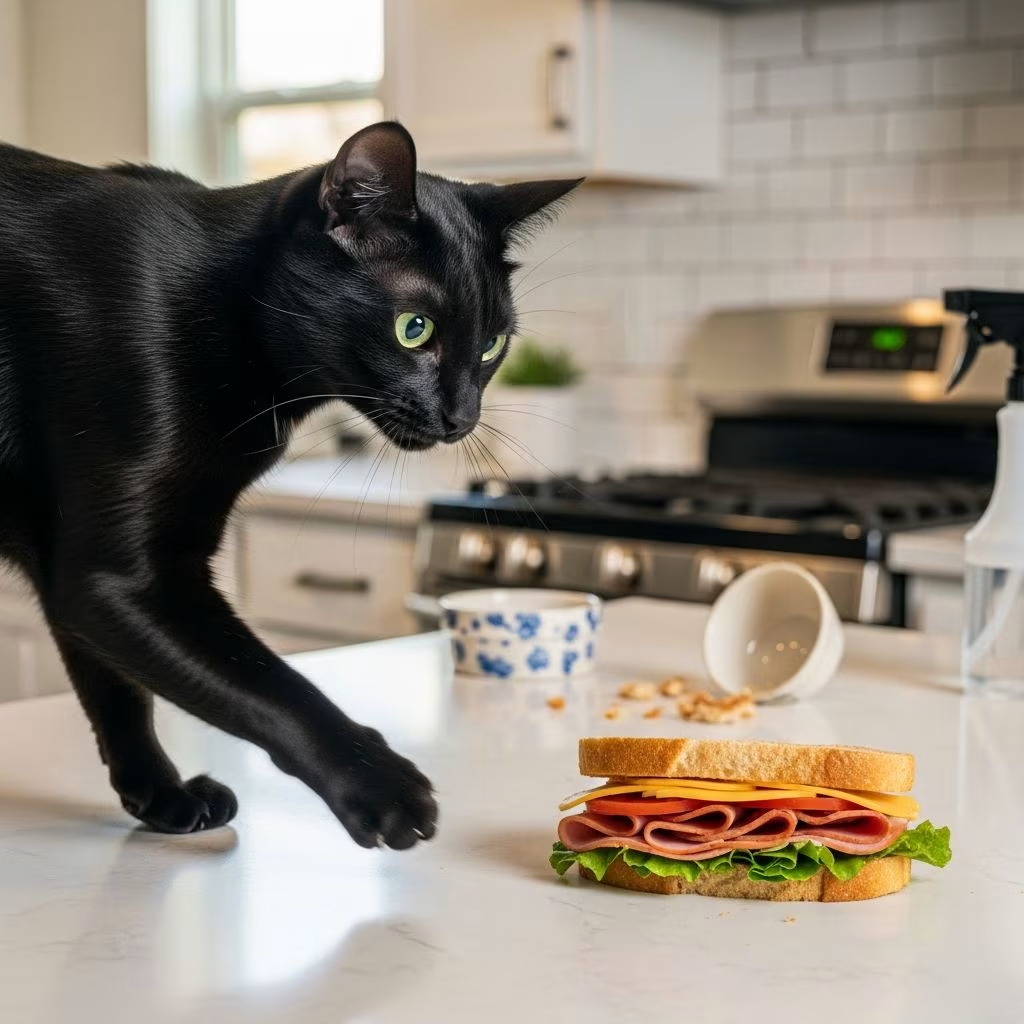
In households with more than one cat, mealtime often turns into a battleground where dominant felines snatch meals from their companions. This behavior not only disrupts harmony but can lead to nutritional imbalances, obesity, or undernourishment. Understanding feline instincts reveals why this happens: cats are solitary hunters by nature, wired to guard resources fiercely. Addressing it requires thoughtful interventions that respect their territorial drives while promoting equity.
Understanding Why Cats Compete for Food
Cats view food as a scarce commodity, a remnant of their wild ancestry where survival depended on quick consumption. In multi-cat environments, a bolder or hungrier pet may bully others away from bowls, inhaling contents rapidly to prevent theft. This competition intensifies if diets differ—perhaps one needs prescription food for health issues—exposing the vulnerable cat to inappropriate nutrition. Stress from perceived threats can also trigger rapid eating or aggression, potentially causing digestive upset or vomiting.
Observe your cats: Does one finish first and eye the neighbor’s portion? Does a skittish feline retreat uneaten? These signs indicate imbalance. Early intervention prevents long-term issues like weight gain in thieves or malnutrition in victims.
Establishing Designated Feeding Zones
Creating physical separation mimics natural solitary dining, reducing tension. Begin with scheduled meals twice daily, placing bowls far apart—ideally in different rooms with doors closed for 10-15 minutes. This ensures complete consumption without interference. For grazers who nibble slowly, pick up unfinished portions promptly to avoid later raids.
- Separate rooms: Confine one cat per space during meals; release post-eating.
- Distance barriers: Use baby gates or furniture to block line-of-sight access.
- Vertical separation: Elevate one bowl on counters, shelves, or cat trees for agile cats, leaving floor-level for jump-averse ones.
These low-cost methods adapt to any home size. In apartments, repurpose large storage bins with entry flaps as private dining nooks, ensuring ample ventilation.
Leveraging Technology for Precision Feeding
Modern gadgets automate fairness, ideal for busy owners. Microchip-activated feeders scan implanted IDs or collar tags, dispensing food only to authorized users. Models like SureFeed open briefly, closing when the cat departs, thwarting sneak-ins.
Enhance security with DIY enclosures: Place feeders in boxes with head-sized holes, allowing solo access. For wet or dry food, these maintain portion control and diet specificity.
| Method | Pros | Cons | Best For |
|---|---|---|---|
| Microchip Feeder | Thief-proof; tracks intake; schedule-compatible | Initial cost; needs microchips/tags | Special diets |
| Timed Automatic Dispensers | Affordable; portioned drops | Less secure against fast eaters | Free-feeding alternatives |
| Puzzle Feeders | Slows gulpers; mental stimulation | Requires training; not fully isolating | Speed eaters |
Timed feeders release meals simultaneously but spaced apart, giving slower cats a chance. Puzzle variants force effortful extraction, deterring quick steals.
Supervised Mealtimes and Behavioral Training
Direct oversight transforms habits. Position yourself nearby during feeds, gently redirecting intruders with a firm “no” and guide back to their station. Consistency builds association: own bowl equals reward.
Combine with frequent small servings—every 4-6 hours via automatics—to prevent hunger-driven desperation. Mix kibble with water for hydration, weighing cats weekly to monitor health. Avoid free-feeding; it invites gluttony.
Addressing Underlying Health and Diet Factors
Food theft often masks issues like hyperthyroidism causing ravenous hunger or dental pain prompting bowl switches. Consult vets for check-ups, especially if sudden. Tailor diets: seniors may need softer textures, overweight cats calorie-restricted formulas.
Enrich environments with scratchers and toys to diffuse stress, as anxious cats compete more. Gradual introductions for new cats include isolated feeds building to supervised group sessions.
Advanced Solutions for Challenging Cases
For persistent problems, dedicate rooms via microchip doors: one cat accesses a haven stocked with essentials, eating undisturbed. Scatter-feed shared kibble on trays, slowing competition.
In rentals, portable barriers or elevated perches suffice. Track progress: stable weights and relaxed demeanors signal success.
Common Pitfalls and How to Avoid Them
- Grazing mismatches: Convert to meal-fed routines.
- Tech glitches: Test RFID proximity; box-modify as needed.
- Inconsistent enforcement: Daily routines cement rules.
- Ignored health cues: Vet visits rule out medical drivers.
FAQ
Why does my cat eat the other cat’s food?
Instinctual resource guarding or hunger; dominant personalities prevail without barriers.
Are microchip feeders worth it?
Yes, for medical diets; they ensure compliance remotely.
Can I free-feed with multiple cats?
Rarely; opt for puzzles or timers to curb theft.
What if one cat won’t eat alone?
Short separations with toys ease transition; monitor intake.
How do I know if it’s working?
Consistent weights, no aggression, full bowls emptied properly.
References
- How To Stop A Cat From Eating Other Cats’ Food — Class Act Cats. 2023. https://classactcats.com/blog/stop-a-cat-from-eating-other-cats-food/
- Easy Fix: How to Stop Cats from Eating Each Others’ Food — Kittyclysm. 2023. https://kittyclysm.com/cat-eating-other-cats-food/
- How to Keep Cats From Eating Each Other’s Food: 4 Vet-Approved… — Catster. 2024-01-15. https://www.catster.com/lifestyle/keep-cats-from-eating-each-others-food/
- How to Stop Cats from Eating Each Other’s Food — Closer Pets. 2023. https://closerpets.com/blogs/news/cats-eating-each-others-food
- How to stop your cats or kittens from stealing each other’s food — YouTube (Pet Expert). 2022-05-10. https://www.youtube.com/watch?v=ShVr7NgLRK8



