

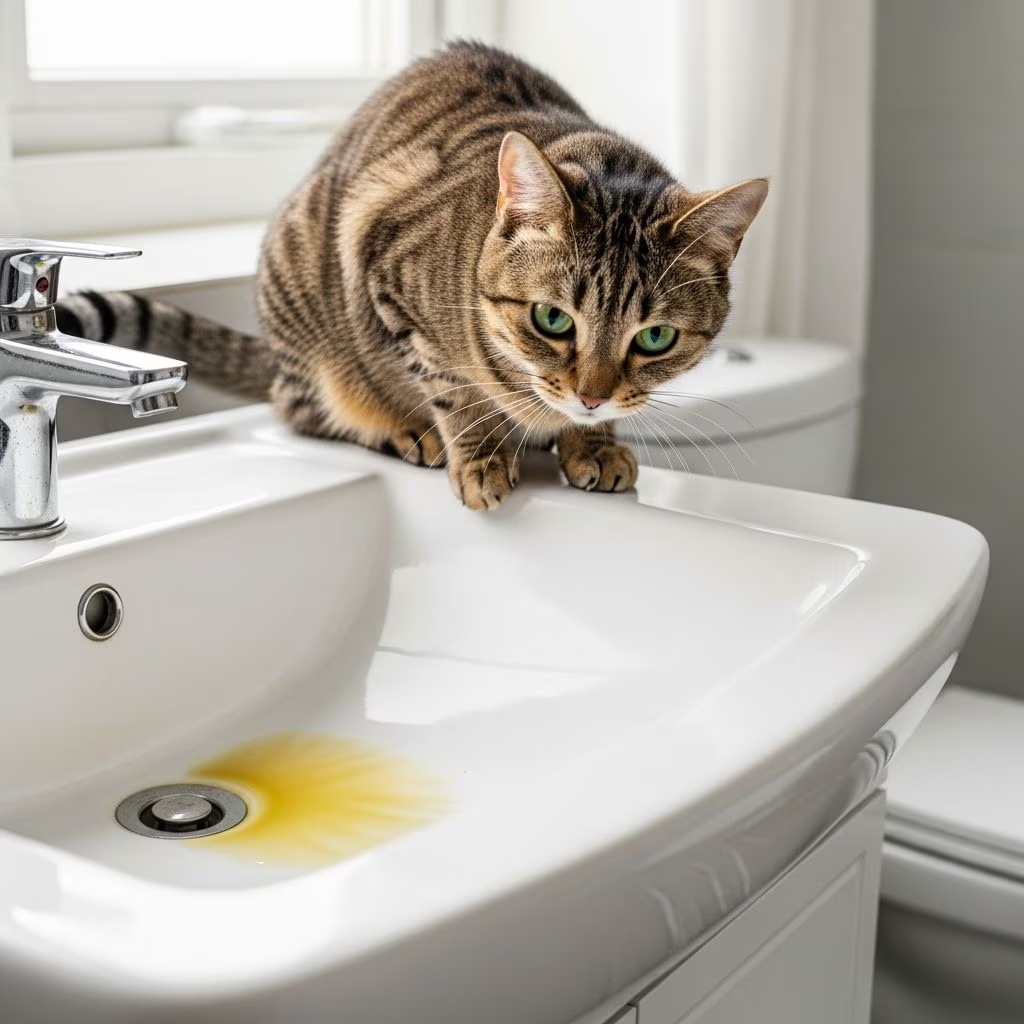
Finding your cat has used your sink or bathtub as a litter box is frustrating and confusing. This behavior, while common, signals that something has changed in your cat’s environment or health. Understanding the underlying causes is the first step toward resolving this issue and protecting your home’s cleanliness.
The First Step: Visit Your Veterinarian
Before implementing any behavioral solutions, schedule a veterinary appointment. Changes in litter box habits often indicate an underlying medical condition that requires professional diagnosis and treatment. Your veterinarian can rule out serious health issues that might be causing this behavior.
Medical Reasons Your Cat Is Peeing in the Sink or Tub
Several health conditions can cause cats to abandon their litter box and seek alternative locations like sinks and bathtubs.
Urinary Tract Infections (UTI)
Urinary tract infections are among the most common medical causes of inappropriate urination in cats. Bacteria in the urine affect the bladder and kidneys, leading to inflammation. Cats with UTIs often experience:
- Straining to urinate
- Frequent urination in small amounts
- Blood in the urine
- Discomfort or pain when urinating
When a cat experiences painful urination, it may associate the litter box with discomfort and seek alternative locations. A sink or bathtub may feel different—cooler or smoother—prompting the cat to try these surfaces instead.
Bladder Stones and Crystalluria
Bladder stones (cystic calculi) and urinary crystals (crystalluria) are painful conditions that create urgency in cats. Crystals form in urine due to abnormal urine pH, which can be genetic, diet-related, or caused by insufficient water intake. These conditions cause inflammation and create a persistent need to urinate, leading cats to seek any available spot—including your sink.
Kidney Disease
Kidney disease, particularly common in older cats, significantly increases urination frequency. Cats with kidney disease urinate more often and in larger volumes, which may overwhelm their litter box routine. The increased urgency can drive cats to use sinks and tubs as alternatives.
Feline Idiopathic Cystitis (FIC)
Feline idiopathic cystitis is a stress-induced condition affecting the bladder without an identifiable bacterial cause. When cats become stressed, they often urinate in unusual places or in small, frequent amounts. This condition can escalate to include blood in urine and, in severe cases, life-threatening urinary obstructions.
Arthritis and Joint Disease
Older cats with arthritis or degenerative joint disease may avoid their litter box if it requires climbing, jumping, or navigating high sides or covered boxes. Sinks and tubs, being low and accessible, become more appealing alternatives for cats experiencing joint pain.
Behavioral and Environmental Reasons
Beyond medical issues, several behavioral and environmental factors can trigger sink and tub urination.
The Attraction of Sinks and Tubs
Cats are naturally drawn to sinks and bathtubs for several reasons. Even after draining, these fixtures retain faint scents—urine markers, bacteria, or mineral deposits—that signal to cats that this is an appropriate place to eliminate. Additionally, the smooth, cool surface and the contained space may feel appealing compared to litter box substrate.
Litter Box Cleanliness
Cats are fastidious creatures and avoid dirty litter boxes. If you’re not scooping daily or performing weekly deep cleanings, your cat will seek cleaner alternatives. As Dr. Cathy Lund of City Kitty explains, “Who wants to use a Porta Potty when it’s dirty?” The same principle applies to litter boxes.
Litter Box Accessibility and Location
The placement and design of your litter box significantly impact usage. Boxes in basements, laundry rooms, or other hard-to-reach locations can discourage older cats or cats with mobility issues. Similarly, boxes with high sides, covers, or complex entry mechanisms may be avoided. Your cat may choose the accessible sink instead.
Insufficient Litter Boxes
The general rule is simple: have one more litter box than the number of cats. In multi-cat households, one dominant cat may guard the litter box, preventing others from access. When cats cannot reach their litter box, they will find alternatives—including your sink or tub.
Environmental Stress and Changes
Cats are creatures of habit and become stressed by environmental changes. New pets, furniture rearrangement, household construction, loud noises, or even a change in litter brand can trigger stress-related urination. A cat experiencing anxiety may urinate in unusual places—like sinks and tubs—because the smell of their own urine provides comfort and reassurance.
Practical Solutions to Stop Sink and Tub Urination
Temporary Water Barrier Method
One of the most effective temporary solutions is placing water in the sink or bathtub. Fill the sink or tub with three to four inches of water and leave it overnight or for several days. When your cat attempts to use these fixtures, the presence of water will discourage them, and they’ll redirect to their litter box instead.
Add a Second Litter Box
Place a new litter box close to your existing one—just six to eight inches away. This increases the likelihood your cat will choose the litter box over the sink or tub. In multi-cat households, distribute multiple boxes across different rooms to prevent territorial blocking.
Clean the Sink and Tub Thoroughly
Use enzymatic cleaners to completely eliminate any urine scent from affected areas. Regular cleaners won’t fully remove the biological markers that attract cats back to these spots. Breaking the scent association is crucial for long-term success.
Optimize Your Litter Box Setup
Make your litter box more attractive than the sink:
- Use a larger box without a cover if your cat is uncomfortable with enclosed spaces
- Place boxes in accessible, quiet locations away from noisy appliances
- Scoop at least once daily, ideally multiple times for multi-cat households
- Replace litter and deep-clean the box weekly
- Consider unscented litter if your cat dislikes perfumed varieties
Address Stress and Environmental Changes
Identify and minimize stressors in your cat’s environment. Maintain consistent routines, provide vertical spaces for hiding and observation, and use calming products like pheromone diffusers if changes cannot be avoided.
Double-Sided Tape and Deterrents
Double-sided tape or aluminum foil placed around the sink or tub can deter cats from approaching these areas, as cats dislike sticky or crinkly surfaces. Motion-activated deterrents can also work for persistent cases.
When to Seek Professional Help
If the problem persists after two weeks of implementing these solutions, consult your veterinarian again. Your cat may need:
- Prescription antibiotics for a resistant UTI
- Dietary changes to address crystal formation
- Pain management for arthritis or other conditions
- Behavioral medication for anxiety-related issues
- Referral to a feline behaviorist for complex cases
Prevention Tips for the Future
Once you’ve resolved the issue, maintain good practices to prevent recurrence:
- Maintain consistent litter box cleaning routines
- Keep litter box locations stable and accessible
- Monitor your cat for signs of illness or stress
- Schedule regular veterinary checkups, especially for older cats
- Gradually introduce any environmental changes to minimize stress
- Ensure adequate fresh water availability throughout your home
Frequently Asked Questions
Q: How long does it typically take to resolve sink or tub urination?
A: With consistent implementation of solutions, most cats respond within 5-14 days. Medical issues may require longer treatment periods.
Q: Is peeing in the sink always a sign of a UTI?
A: No. While UTIs are common, behavioral and environmental factors are equally important. Always consult your vet to rule out medical causes first.
Q: Can changing litter brands cause this behavior?
A: Yes. Cats are sensitive to litter texture, scent, and dust levels. Gradual transitions to new litter, mixed with the old brand, can help prevent stress-related urination.
Q: Should I punish my cat for peeing in the sink?
A: No. Punishment increases stress and worsens behavior. Focus instead on removing access to the sink and making the litter box more appealing.
Q: How many litter boxes do I need for my cat?
A: The rule is one box per cat, plus one extra. A single-cat household needs at least two boxes placed in different locations.
Q: Will filling the sink with water permanently stop the behavior?
A: The water method is a temporary deterrent while you address underlying causes. It works best combined with litter box improvements and veterinary care.
References
- 6 Reasons Your Cat Is Peeing Outside the Litter Box — PetMD. 2025. https://www.petmd.com/cat/behavior/reasons-your-cat-peeing-outside-litter-box
- How to Stop Your Cat From Using the Sink as a Litter Box — The Pet Show with Warren Eckstein. 2025. https://www.youtube.com/watch?v=pXMwfUGgYVM



