

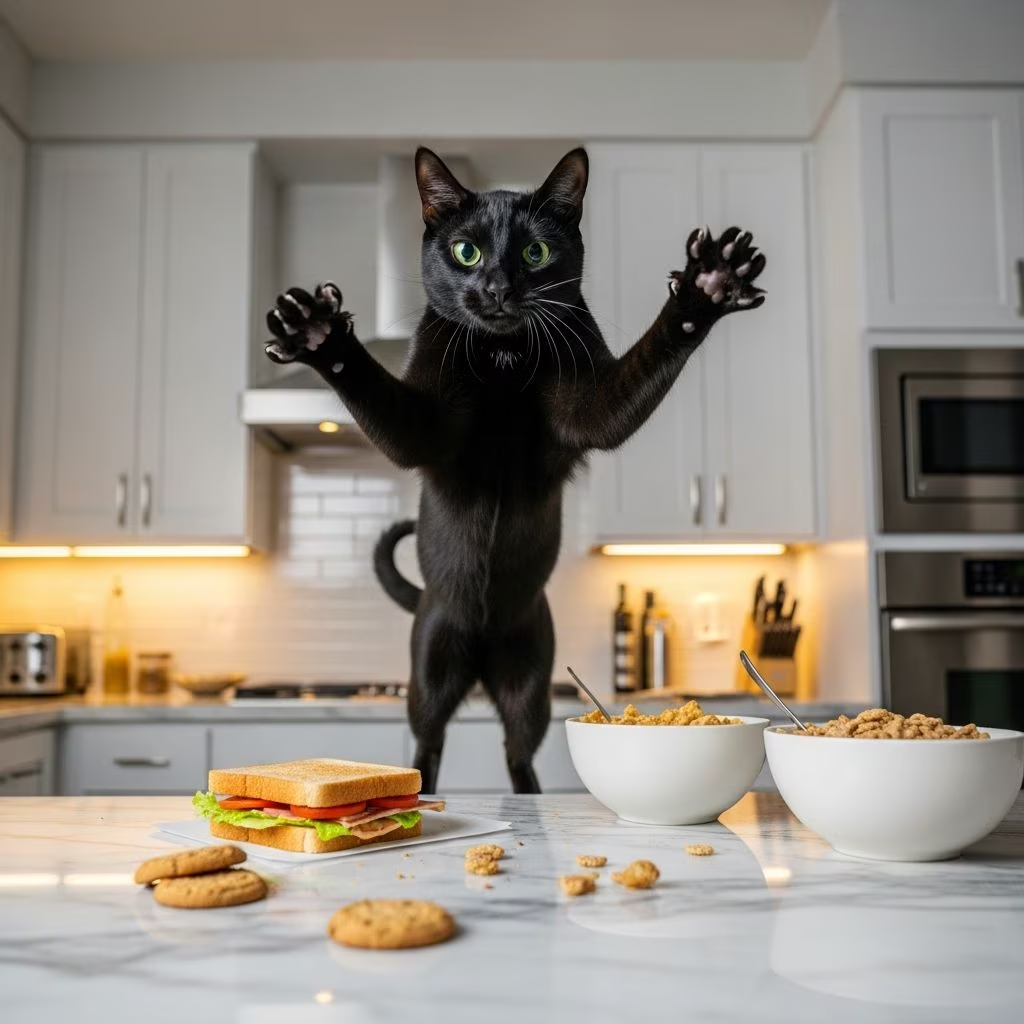
Cats often leap onto kitchen counters due to their natural instincts for elevation, food scents, and curiosity, but several humane strategies can redirect this behavior effectively.
Understanding Why Cats Target Kitchen Surfaces
Feline instincts drive cats to seek high perches for safety and observation, making stable countertops ideal landing spots. Food residues and running faucets further attract them, turning counters into prime exploration zones. Recognizing these motivations helps owners address root causes rather than just symptoms.
Cats view elevated spaces as secure vantage points to monitor their territory. Sturdy counters provide the perfect platform without wobbling, encouraging repeated visits. Additionally, lingering aromas from meals or pet food bowls signal abundance, drawing hungry or inquisitive cats. Sink water trickling mimics prey movement, heightening appeal for playful hunters.
Essential First Steps: Remove Temptations
Begin by eliminating attractions to set your cat up for success. Wipe surfaces thoroughly after meals, store food securely, and avoid leaving dirty dishes out. These actions reduce olfactory invitations that prompt jumping.
- Clean counters immediately post-cooking to erase food smells.
- Store pet food in sealed containers away from counters.
- Fix dripping faucets or offer a pet fountain elsewhere.
Implementing these habits minimizes the counter’s allure naturally, paving the way for other methods.
Gentle Deterrents That Work Without Harm
Passive deterrents alter the counter’s texture or stability, discouraging landing without direct confrontation. These remote corrections let the environment teach the lesson, preserving your bond with your pet.
| Method | How It Works | Pros | Cons |
|---|---|---|---|
| Double-Sided Tape | Sticky surface feels unpleasant on paws | Easy to apply, reusable | May need frequent reapplication |
| Aluminum Foil | Crinkly noise and texture deter walking | Cheap, readily available | Cats may adapt or push it aside |
| Water-Filled Trays | Splash surprises upon landing | Non-toxic, effective surprise | Messy if spilled |
| Plastic Mats (nubby side up) | Uncomfortable footing | Durable for kitchens | Visual clutter |
Combine these for broader coverage, such as tape along edges and foil in central areas. Test small sections first to gauge your cat’s response.
Scent-Based Repellents for Sensitive Noses
Cats possess acute smell senses, so certain odors can repel them humanely. Citrus essences like lemon or orange prove particularly off-putting. Opt for pet-safe sprays and place peels strategically, ensuring no irritation occurs.
- Spray diluted citrus solutions on counter edges.
- Use pheromone diffusers to calm and redirect anxious climbers.
- Avoid essential oils directly, as they may harm if ingested.
Motion-activated air puffers provide a startling but safe burst of compressed air, training cats to avoid zones without associating negativity with you.
Providing Superior Alternatives
Offer appealing substitutes that fulfill climbing and viewing needs. Position cat trees, window perches, or stools near counters, rewarding use with treats to build preference.
Encourage self-discovery: scatter high-value treats on alternatives, clicking or praising upon approach. Over time, cats choose these spots voluntarily, satisfying instincts elsewhere.
- Install multi-level cat towers with plush platforms.
- Mount shelves for vertical exploration.
- Place stools with reserved treats for counter-adjacent rewards.
Positive Reinforcement Training Techniques
Clicker training leverages sound-reward pairing for precise guidance. Click when your cat jumps down or selects an alternative, followed by treats, fostering desired habits.
- Charge the clicker: pair clicks with treats repeatedly.
- Catch good behavior: click for using perches.
- Redirect gently: lure off counters with clicks and rewards.
Puzzle feeders and lick mats engage food-motivated cats, channeling energy productively. Hide treats in diggers or scatter on approved mats to mimic foraging.
Addressing Nighttime Counter Visits
Cats prowl nocturnally, so nighttime requires preemptive measures. Enrich evenings with play sessions, filling puzzle toys before bed to tire them out.
- Block kitchen access with gates or doors.
- Deploy motion deterrents overnight.
- Provide battery-operated toys for distraction.
Consistent routines signal downtime, reducing exploratory jumps.
Common Pitfalls to Avoid
Shun punishment like yelling or water sprays, as they breed fear and resentment toward you. Cats learn slowly; persistence with positives yields lasting change over weeks.
Monitor for stress indicators: excessive hiding or aggression signals overly harsh methods. Adjust to gentler approaches if needed.
Long-Term Success Strategies
Sustain progress by maintaining clean counters, rotating toys, and reinforcing alternatives daily. Multi-cat homes benefit from individual perches to curb competition.
Track improvements in a journal, noting effective deterrents for your cat’s profile. Patience rewards with a counter-free kitchen.
Frequently Asked Questions
Are there natural ways to repel cats from counters?
Yes, citrus peels, foil, tape, and water trays serve as natural, non-toxic barriers that leverage texture and scent dislikes.
What if my cat ignores deterrents?
Combine methods, enhance alternatives, and use clicker training for reinforcement. Consistency over 2-4 weeks typically shows results.
Is punishing effective?
No, punishment damages trust. Positive redirection proves superior for behavioral change.
Do pheromone products help?
They calm anxious cats, reducing stress-driven jumping when plugged near problem areas.
How to handle multiple cats?
Provide ample perches and train individually to prevent rivalry-fueled counter use.
Expert Insights on Feline Behavior
Behavior specialists emphasize environmental enrichment over confrontation. Certified experts advocate sturdy alternatives and remote corrections for ethical training.
References
- How To Keep Cats Off Counters — Chewy. 2023. https://www.chewy.com/education/cat/training-and-behavior/training-training-tips-genius-ways-to-keep-your-cat-off-the-counter
- Is Your Kitty a Countertop Hopper? How to Keep Cats Off Counters — Rover. 2022. https://www.rover.com/blog/how-to-keep-cats-off-counters/
- Keeping Cats Off Countertops and Tables — Anti-Cruelty Society. 2023. https://anticruelty.org/pet-library/keeping-cats-countertops-and-tables
- Here’s how to keep your cats OFF THE COUNTER! #shorts — YouTube. 2023. https://www.youtube.com/shorts/ExIDcFL8dFU



