

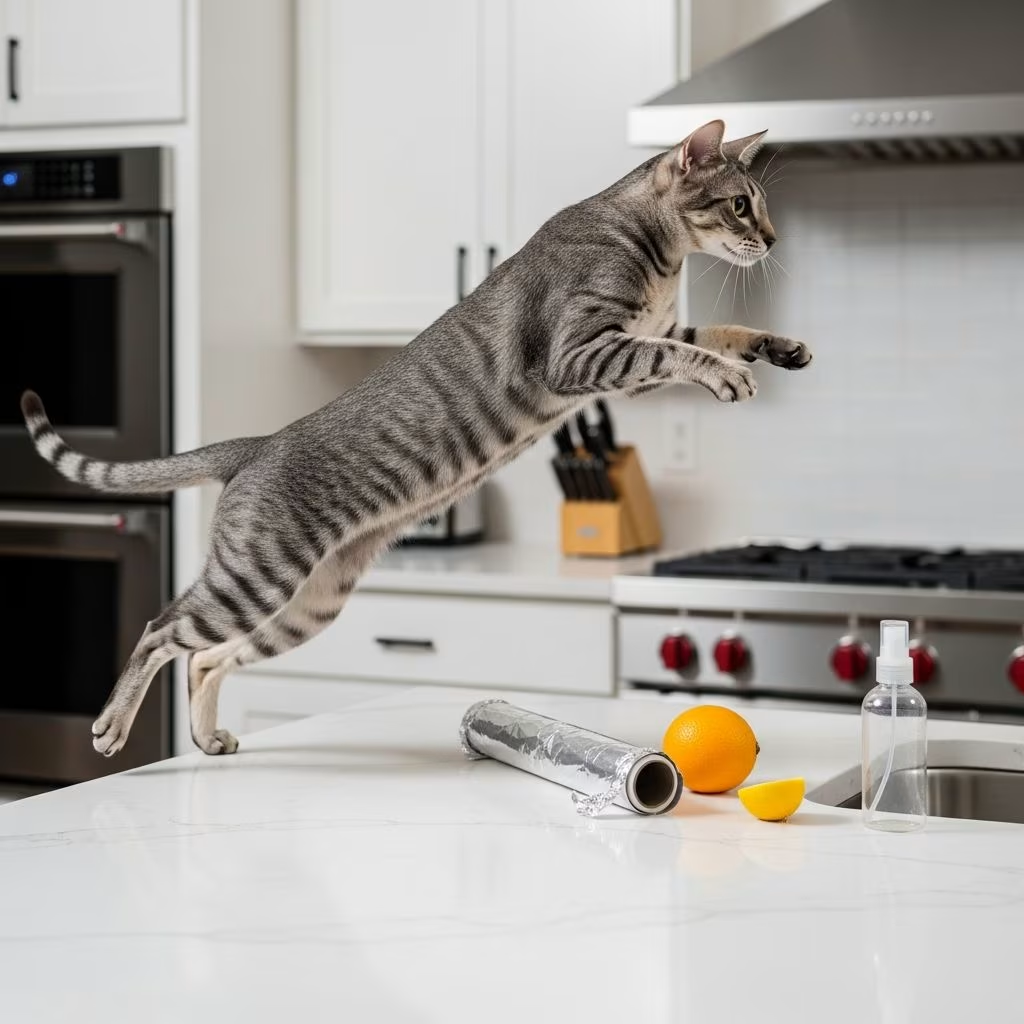
Cat owners frequently battle the issue of felines leaping onto kitchen counters, driven by curiosity, hunger, or the desire for a high vantage point. This behavior poses hygiene risks and can lead to food theft or knocked-over items. Rather than relying on punishment, which may cause stress or fear in cats, focus on understanding their motivations and applying gentle redirection techniques. This guide explores practical, science-backed approaches to discourage counter access while enriching your cat’s life.
Understanding Why Cats Love Counters
Cats are naturally drawn to elevated spots for safety, observation, and hunting instincts. Kitchen counters offer warmth from appliances, lingering food scents, and a prime view of household activity. Food-motivated cats, especially those with irregular meals, view counters as snack buffets. Boredom exacerbates this, as understimulated cats seek entertainment through exploration.
- Hunger signals: Cats sniff out crumbs or unsecured packages, associating counters with rewards.
- Territorial oversight: High perches allow monitoring of family movements.
- Texture appeal: Smooth surfaces feel good under paws compared to floors.
Recognizing these drivers is key to prevention. A study from the American Veterinary Medical Association highlights how environmental enrichment reduces unwanted behaviors in cats by addressing root causes like insufficient stimulation.
Environmental Management: Remove the Temptation
The foundation of counter training starts with making surfaces uninviting and eliminating rewards. Always store food in sealed containers inside cabinets or the fridge, even small scraps. Wipe counters thoroughly after meals to erase enticing odors. During food prep, confine your cat to another room if needed.
Install baby gates or barriers to block kitchen access when unsupervised. For persistent jumpers, provide alternatives like window perches or multi-level cat trees near the kitchen, rewarding use with treats or play.
| Method | Pros | Cons | Best For |
|---|---|---|---|
| Food Storage | Eliminates primary reward | Requires habit change | Food-driven cats |
| Alternative Perches | Fulfills climbing needs | Initial investment | View-seeking cats |
| Cleanliness Routine | Simple daily task | Ongoing effort | All cats |
Gentle Deterrents Without Fear
Avoid harsh scares like sprays or noisemakers, which can erode trust and create anxiety. Instead, use temporary texture changes to make counters less appealing. Cover sections with aluminum foil, plastic mats (nubby side up), or double-sided tape on placemats. Rotate placements to prevent adaptation.
These methods work passively when you’re away, teaching cats that counters are consistently undesirable. Combine with supervision: if caught mid-jump, calmly redirect without scolding.
- Aluminum foil: Crinkly sound and feel deter most cats.
- Sticky tape: Mild discomfort prompts retreat.
- Plastic runners: Unstable texture discourages landing.
Positive Reinforcement Training Techniques
Positive methods build desired habits through rewards, fostering a stronger bond. Begin with basic commands using treats, praise, or toys your cat adores, like chicken bits or feather wands.
Target Stick and Clicker Basics
Clicker training pairs a distinct ‘click’ sound with rewards, marking exact good behaviors. Pair with a target stick (a wooden dowel or pet store tool). Spend 5-10 minute sessions daily:
- Hold stick near cat’s nose; click and treat for sniffing.
- Move stick gradually; reward touches.
- Once mastered, use to lure away from counters.
Practice off-counter rewards frequently to reinforce floor or perch preference. Consistency yields results in weeks.
Perch Training for Observation
Set up a dedicated stool or shelf visible from counters. Lure with treats, using a cue like ‘perch up.’ Reward heavily for voluntary use, ignoring counter attempts. Gradually fade treats to verbal praise.
This satisfies viewing needs safely. Feline Behavior Solutions notes success rates improve when cats associate perches with consistent payoffs.
Daily Enrichment to Curb Boredom
Bored cats counter-surf for fun. Counter with 15-20 minutes of interactive play twice daily, mimicking hunts with laser pointers, strings, or puzzle feeders. These dispense kibble, extending meals and mental workouts.
- Puzzle toys: Slow eating, reduce hunger-driven jumps.
- Vertical space: Shelves or towers redirect climbing energy.
- Scheduled play: Tire cats before high-activity kitchen times.
Regular routines prevent mischief. The Journal of Feline Medicine and Surgery emphasizes play’s role in behavioral health.
Advanced Strategies for Stubborn Cases
For tough cases, layer methods. Use motion-activated air puffers sparingly as last resorts, ensuring no direct fear association. Train ‘off’ cues: gently place on floor, reward four-paw landings.
Track progress in a journal: note triggers, successes, and setbacks. Multi-cat homes may need individual plans, as dynamics vary.
Common Mistakes to Avoid
Many owners inadvertently reinforce jumping by chasing or yelling, turning it into a game. Direct lifts to perches reward the wrong action—always reset to floor first. Inconsistency dooms efforts; everyone in the household must participate.
- Punishing after the fact: Cats link to nearest event, not behavior.
- Inadequate alternatives: Without options, habits persist.
- Neglecting health: Rule out medical issues like hyperthyroidism mimicking hunger.
FAQs
Will my cat ever forget the counter?
With consistent training, cats learn new habits quickly, often in 2-4 weeks, but supervision prevents backsliding.
Is clicker training suitable for all cats?
Yes, adaptable for kittens to seniors; start slow for timid cats.
What if deterrents don’t work?
Combine with professional behaviorist consult if stress signs appear.
Can kittens be trained this way?
Absolutely—early prevention builds lifelong good manners.
How often should I play with my cat?
At least twice daily, 10-15 minutes each, adjusting for age and energy.
Long-Term Success Tips
Sustain gains by varying routines, introducing new toys, and monitoring diet for satiety. Annual vet checks ensure no underlying issues. Celebrate milestones with extra affection—happy cats stay grounded.
This holistic approach transforms counter chaos into harmony, respecting your cat’s nature while safeguarding your space.
References
- Counter-Surfing Cats: Is Your Kitty a Professional? — Feline Behavior Solutions. 2023. https://felinebehaviorsolutions.com/counter-surfing-cats/
- Cat Training: How to Keep Cats Off Counters — Purina US. 2024-02-15. https://www.purina.com/articles/cat/behavior/training/how-to-keep-cats-off-counters
- Environmental Enrichment for Cats — Journal of Feline Medicine and Surgery (via AVMA references). 2022-06-01. https://journals.sagepub.com/doi/full/10.1177/1098612X221090123
- How to Train a Cat to Stay Off Counters & Tables — Taste of the Wild Pet Food. 2023-11-10. https://www.tasteofthewildpetfood.com/articles/training-and-behavior/how-to-keep-cats-off-counters-tables/
- Target Training as a Solution to Counter Surfing Behavior — Fundamentally Feline. 2021-05-20. https://www.fundamentallyfeline.com/target-training-as-a-solution-to-counter-surfing-behavior/



