Stop Cat Spraying: 6 Effective Solutions For Your Home
Discover proven strategies to end unwanted cat spraying and restore harmony in your home with practical, vet-approved tips.
Stop Cat Spraying: Effective Solutions
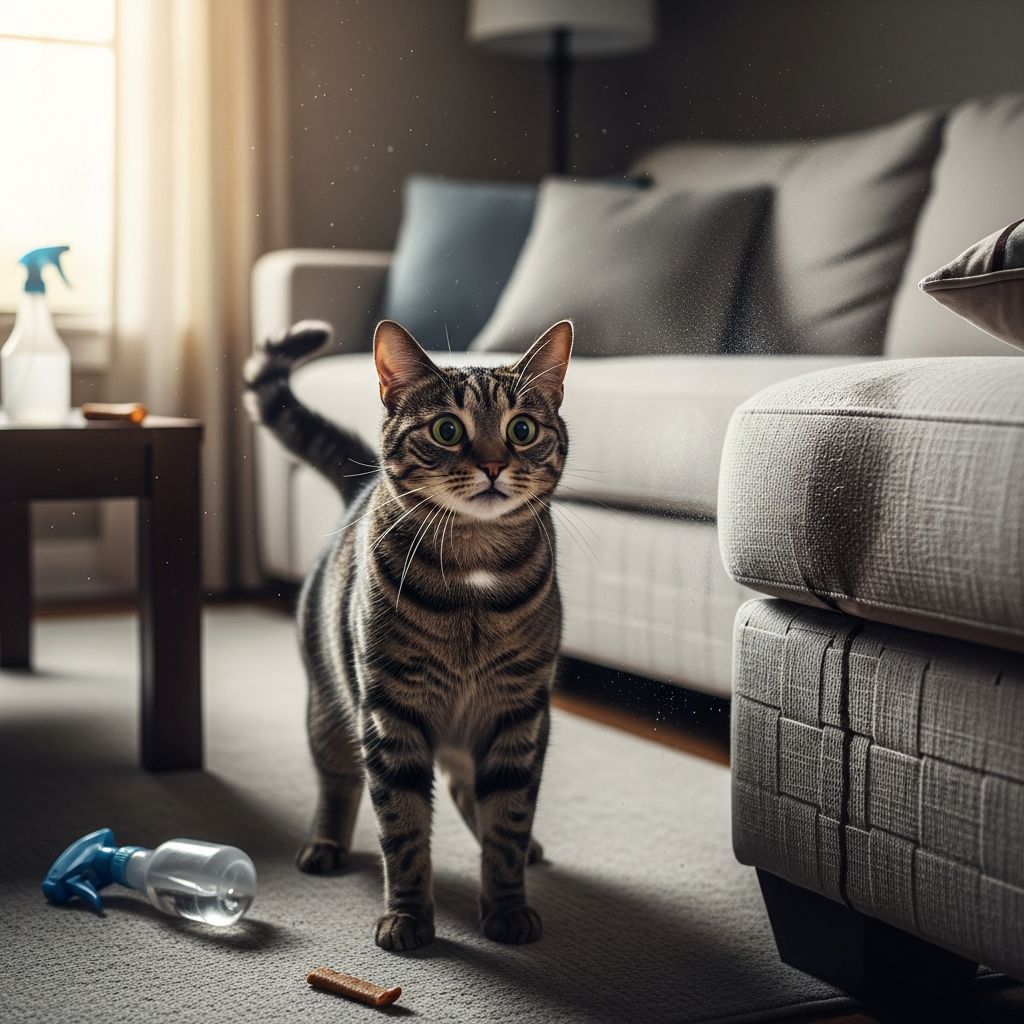
Cat spraying, a common territorial behavior, can be frustrating for pet owners but is often manageable with targeted interventions. This behavior involves cats depositing small amounts of urine on vertical surfaces to mark territory, driven by hormones, stress, or environmental factors. Addressing it requires understanding root causes and applying multifaceted strategies.
Understanding Feline Spraying Behavior
Spraying serves as a communication tool in the feline world, signaling presence to other cats. Unlike regular urination, which occurs in a squatting position with larger volumes, spraying features a standing posture with a raised, quivering tail and minimal urine output—often just a mist on walls or furniture.
Key distinctions include:
- Posture: Sprayer stands upright, tail elevated and trembling; urinator squats low.
- Volume and Location: Small streaks high on vertical surfaces versus puddles on horizontal ones.
- Odor Intensity: Sprayed urine carries a stronger, more pungent scent due to pheromones.
Recognizing these signs early allows for prompt action, preventing habit formation.
Primary Causes of Spraying in Cats
Several triggers prompt spraying, categorized into hormonal, environmental, and medical factors.
Hormonal Influences
Unneutered males and females in heat frequently spray to advertise availability or claim territory. This instinct peaks around six months, coinciding with sexual maturity. Neutering reduces such incidents by up to 90% in many cases.
Stress and Anxiety Triggers
Cats thrive on routine; disruptions like moves, new pets, or household changes induce anxiety, prompting scent-marking for security. Multi-cat homes amplify this if resources feel scarce.
Territorial Responses
Sight or smell of outdoor cats through windows often provokes indoor spraying as a defensive measure. Indoor competition in multi-pet setups similarly escalates marking.
Medical Underpinnings
Underlying issues like urinary tract infections, bladder stones, or diabetes can mimic spraying. A veterinary exam rules out health problems before behavioral fixes.
Step-by-Step Prevention Strategies
Combating spraying demands a holistic approach: spay/neuter, environmental tweaks, cleaning, and stress relief.
Spaying or Neutering: The First Line of Defense
Performing this surgery before six months prevents hormonal spraying from becoming ingrained. Even older cats benefit, with many ceasing the behavior post-procedure.
Optimizing the Litter Box Setup
Inadequate facilities frustrate cats, leading to elimination elsewhere. Follow the “n+1” rule: one box per cat plus one extra, placed in quiet, accessible spots away from food and noise.
Enhancements include:
- Experimenting with litters (clumping, non-clumping, scented/unscented).
- Using high-sided or L-shaped boxes to contain sprays.
- Placing a box near spraying sites, then gradually relocating.
Thorough Cleaning Protocols
Residual odors invite re-marking. Enzymatic cleaners break down urine proteins; avoid ammonia-based products, which mimic cat urine.
Cleaning steps:
- Blot excess urine.
- Apply enzymatic solution; let soak.
- Rinse and dry completely.
- For fabrics, test surgical spirit or biological detergents first.
Mitigating External Territorial Threats
Block views of stray cats with curtains, blinds, or window films. Deter intruders using motion-activated sprinklers, citrus peels, or cayenne in yards—safe, non-harmful repellents.
Secure cat flaps with collar-keyed or magnetic models to bar neighborhood cats.
Reducing Household Stress
Enrich environments with vertical spaces like cat trees, perches, and individual resources (bowls, beds). Pheromone diffusers mimic calming facial scents, promoting security.
In multi-cat homes, distribute resources widely and introduce newcomers slowly to avoid conflicts.
Deterrence Techniques for Problem Areas
Make sprayed spots unappealing temporarily:
| Method | Application | Pros |
|---|---|---|
| Upside-down carpet runners | On floors/walls | Texture aversion |
| Sticky contact paper | Vertical surfaces | Non-toxic, removable |
| Citrus peels or vinegar sprays | Outdoor/Indoor edges | Natural odor repellent |
| Food/toys overlay | Sprayed zones | Redirects positive association |
Discourage punishment like water spraying, which heightens anxiety without addressing causes.
Advanced Interventions for Persistent Cases
If basics fail, escalate thoughtfully.
Pheromone and Supplement Aids
Feliway diffusers or collars release synthetic pheromones, reducing marking by 70-90% in studies. Herbal supplements like L-theanine offer mild calming.
Behavioral Modification Plans
Track incidents in a log: date, location, triggers. Positive reinforcement—treats for litter use—builds habits. Consult certified behaviorists for tailored plans.
Veterinary Pharmaceuticals
For severe anxiety, vets may prescribe anti-anxiety meds like fluoxetine, alongside therapy. Always pair with environmental changes.
Multi-Cat Household Dynamics
Competition fuels spraying; foster abundance:
- Separate feeding stations.
- Multiple scratching posts for scent rubbing.
- Vertical territories via shelves and trees.
Slow introductions with scent swapping prevent rivalry.
FAQs: Common Cat Spraying Questions
Will my neutered cat still spray?
Most stop, but stress-induced cases may persist; address environments.
How many litter boxes do I need for two cats?
Three: one per cat plus one.
Is spraying a sign of illness?
Possibly; vet check first.
Can I train my cat out of spraying?
Yes, via consistency and positive methods.
What if cleaning doesn’t stop re-spraying?
Combine with deterrents and pheromones.
Long-Term Management for a Peaceful Home
Consistency yields results; monitor progress weekly. Most cats respond within weeks to combined efforts. Professional help ensures success without compromising welfare.
References
- Why Cats Spray and How to Prevent It — Harlingen Veterinary Clinic. 2023. https://harlingenveterinaryclinic.com/blog/cat-spraying/
- Stop Cat Spraying in House — Best Friends Animal Society. 2024. https://bestfriends.org/pet-care-resources/why-my-cat-spraying-house-and-how-do-i-stop-it
- Cat Spraying: Why Cats Do It and How to Stop It — PetMD. 2025-01-15. https://www.petmd.com/cat/general-health/cat-spraying-why-cats-do-it-and-how-to-stop-it
- Stop your Cat Spraying or Soiling in the House — Blue Cross. 2024. https://www.bluecross.org.uk/advice/cat/behaviour-and-training/stop-your-cat-spraying-and-soiling-in-the-house
- How to Stop Cat Spraying: 7 Proven Solutions — YouTube (Feline Expert). 2024-06-10. https://www.youtube.com/watch?v=CjP8mgEyFJA
- It’s Time to Stop Spraying Cats with Water! — Feline Behavior Solutions. 2023. https://felinebehaviorsolutions.com/stop-spraying-cats-with-water/
Similar Articles






Read full bio of medha deb