

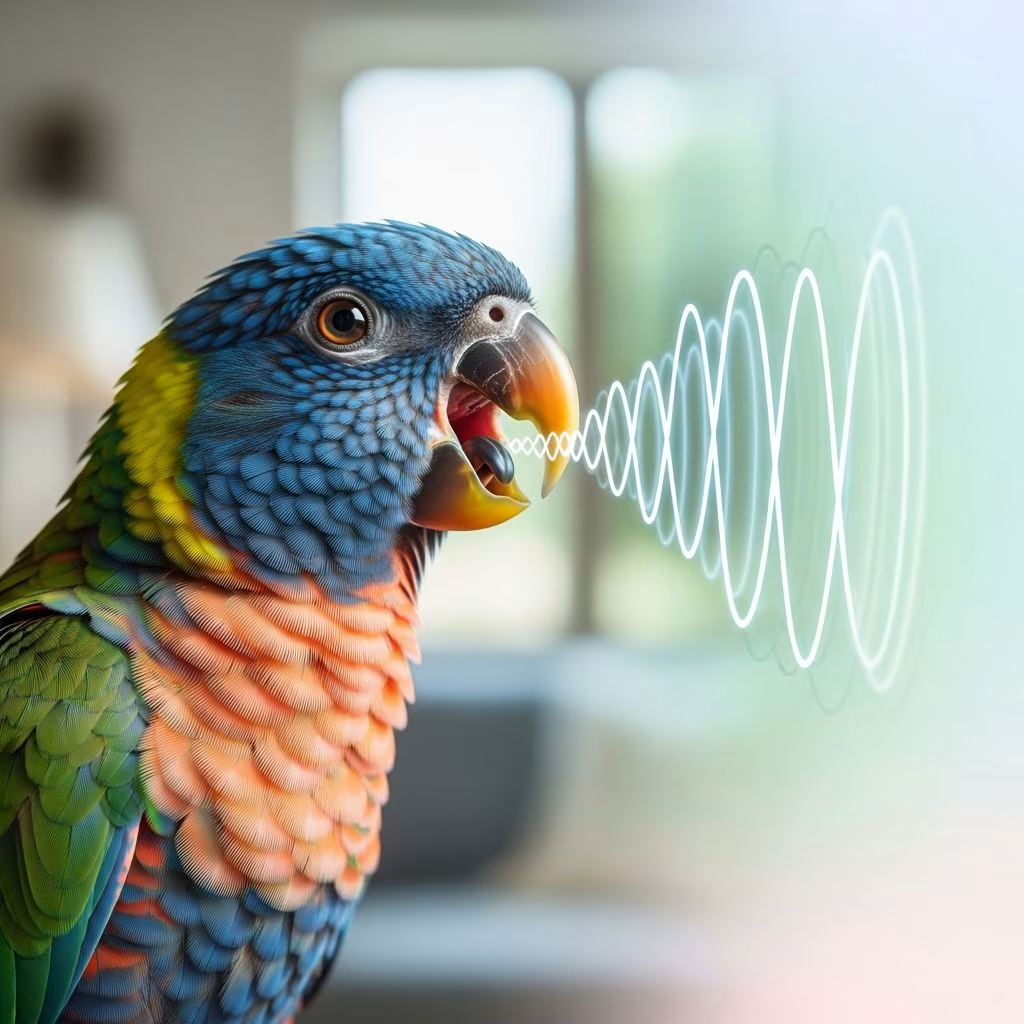
Stop the Squawk: Understanding and Reducing Excessive Bird Screaming
Bird screaming is one of the most common behavioral challenges faced by pet bird owners. Whether you have a parrot, cockatiel, cockatoo, or other vocal species, excessive screaming can disrupt your household, frustrate neighbors, and create stress for both you and your feathered companion. However, understanding the root causes of screaming and implementing evidence-based training strategies can significantly reduce this behavior and create a more harmonious living environment.
The key to addressing bird screaming lies in recognizing that your bird isn’t trying to be difficult—it’s communicating a need. By identifying what your bird is trying to communicate and teaching alternative behaviors, you can redirect their natural vocalization instincts into more desirable channels.
Why Do Birds Scream? Understanding the Root Causes
Before you can effectively address screaming, it’s essential to understand why your bird is vocalizing excessively. Birds scream for specific reasons, and identifying the function of the behavior is the first step toward change.
Attention-Seeking Behavior
Many birds learn that screaming is an effective way to get their owner’s attention. Even negative attention—like being told to be quiet or being moved—can reinforce screaming because it’s still interaction. If your bird screams and you respond in any way, you may inadvertently be rewarding the behavior.
Environmental Triggers
Birds may scream in response to environmental factors such as sudden changes in light, loud noises, unfamiliar people, or perceived threats. Additionally, lack of sleep, improper nutrition, or insufficient environmental enrichment can contribute to excessive vocalization.
Separation Anxiety
Some birds scream when separated from their owners or when moved away from their preferred location. This reflects their flock mentality and desire to maintain social connection.
Access to Desired Items
Birds may scream to request toys, treats, access to a particular room, or interaction with their owners. This communicates that screaming is an effective way to get what they want.
The ABC Method: A Framework for Understanding Screaming
To effectively address your bird’s screaming, use the ABC (Antecedent, Behavior, Consequence) method to track and understand the behavior patterns:
A (Antecedent): What Happened Before?
- What was your bird doing before the screaming started?
- What environmental factors were present?
- Was your bird alone, with people, or in a particular location?
B (Behavior): The Screaming Itself
Document specific details about the screaming episodes to identify patterns:
- Frequency: How many times did your bird scream today?
- Intensity: How loud was the screaming episode?
- Duration: How long did the episode last?
C (Consequence): What Happened Next?
This is critical—your response to screaming directly influences whether the behavior will continue or decrease. Did you:
- Make eye contact or talk to your bird?
- Move toward or away from your bird?
- Provide a treat or toy?
- Change the environment (lights, music, etc.)?
Even seemingly neutral responses can reinforce screaming if they follow the vocalization. The key is to ignore all loud screaming—no eye contact, no talking, no approaching—while catching and rewarding quiet behavior within 3 seconds using a treat or happy voice.
A Four-Week Training Plan to Reduce Bird Screaming
Week 1: Establish Baseline and Begin Reinforcing Quiet
Your first week focuses on observation and initiating behavior change:
- Keep detailed logs of screaming episodes using the ABC method
- Ignore all loud screaming—maintain a neutral expression and avoid interaction
- Catch and reward quiet behavior within 3 seconds using treats or happy voice
- Add 2–3 new foraging toys and rotate them every other day
- Establish a baseline understanding of your bird’s triggers
End-of-Week Wrap-Up Questions:
- What were your bird’s most common screaming triggers?
- How many times did you successfully catch and reward quiet behavior?
- Did any particular reinforcer work better than others?
Week 2: Change the Environment
Environmental modifications play a crucial role in reducing screaming:
- Move the cage to a calm, low-traffic area of your home
- Ensure your bird receives 12–14 hours of dark, quiet sleep nightly
- Offer a bath or misting three times this week to promote calm, preening behavior
- Introduce one new destructible or shreddable toy
- Continue logging ABCs and look for new patterns in behavior
Sleep is particularly important—many birds that lack sufficient rest display increased screaming due to irritability and stress. Create a quiet sleeping environment and maintain consistent sleep schedules.
End-of-Week Wrap-Up Questions:
- Did your bird’s triggers change after environmental modifications?
- Are you still inadvertently reinforcing screaming without realizing it?
- What environmental change seemed to help the most?
Week 3: Teach Replacement Behaviors
This week focuses on teaching alternative behaviors that your bird can use instead of screaming:
- Train four simple skills using positive reinforcement:
- Step up – fundamental behavior that establishes control and connection
- Touch a target stick – redirects focus and provides mental engagement
- Allow misting calmly – encourages relaxation and preening
- Step down into the cage – facilitates cooperation during transitions
- Practice short 3–5 minute sessions daily and reward all success quickly
- Redirect screaming into known behaviors when possible
When your bird begins to scream, redirect their attention to a known behavior they can perform instead. For example, if your bird starts screaming, ask them to step up or touch the target stick. When they comply, reward immediately with praise and treats.
End-of-Week Wrap-Up Questions:
- Which skills did your bird learn most easily?
- Did teaching new behaviors reduce screaming episodes?
- What reinforcers worked best for your individual bird?
Week 4: Build Confidence and Independence
The final week focuses on building your bird’s confidence and reducing dependence on your immediate attention:
- Increase reinforcement challenge by asking for 2 behaviors before giving a treat
- Gradually increase the time between the behavior and the reward
- Reward independence by praising your bird when they’re playing, preening, or exploring calmly
- Teach “stationing” on a perch during family routines
- Reinforce activities that keep your bird engaged without requiring your direct involvement
End-of-Week Wrap-Up Questions:
- What behaviors is your bird now doing without your prompts?
- Which positive behaviors have replaced the screaming?
- Does your bird seem more confident and independent?
Teaching Better Ways to Get Attention
One of the most effective strategies is teaching your bird alternative ways to request attention that don’t involve screaming. Here are five simple behaviors you can teach as replacements:
1. A Signature Whistle
Establish a unique “contact call” or whistle pattern. When your bird mimics or initiates this whistle instead of screaming, reward generously with attention and treats. Over time, your bird learns that the whistle is more effective than screaming for getting your attention.
2. Ring a Toy Bell
Hang a soft bell or rattle toy near your bird’s favorite perch and reinforce them when they use it to ask for interaction. This creates an auditory cue that’s pleasant rather than jarring.
3. Target Training
Teach your bird to touch a stick or your finger on cue. When they perform this behavior, respond with praise or a quick visit. This gives your bird agency in requesting your presence.
4. Talking Cues
If your bird says words like “Hello” or “Step up,” reward that vocalization with attention instead of reacting to screaming. This reinforces speech over noise.
5. Wave or Body Gestures
Train a cute gesture like a wave or head bob to replace yelling for attention. Reward this behavior consistently, and it will become your bird’s preferred way to interact with you.
The Importance of Variety in Reinforcers
Don’t rely solely on food rewards. Building a diverse “reinforcer bucket” keeps training fresh and engaging for your bird. Consider these options:
- Toys and destructible objects (soft woods, paper, untreated cardboard)
- Foraging opportunities (hiding treats in toys or containers)
- Physical interaction (gentle head scratches, petting)
- Environmental enrichment (supervised out-of-cage time, perch changes)
- Novel items and controlled access to favorite objects
By varying reinforcers, you maintain your bird’s motivation and prevent habituation to any single reward.
Strategic Environmental Management
Timing Matters
Align your bird’s most engaging activities with your household’s busiest moments. If your bird screams during dinner preparation, set up a foraging activity or engaging toy at that specific time. By providing enrichment when you’re unavailable, you prevent screaming before it starts.
Motivational Feeding
Instead of free-feeding pellets all day, space out meals slightly to maintain motivation during training and play sessions. A mildly hungry bird is more responsive to positive reinforcement.
Secondary Spaces
Having a separate play cage or quiet space equipped with white noise can be useful during overwhelming moments. This isn’t punishment—it’s a strategic timeout that prevents you from inadvertently reinforcing screaming through frustrated responses.
Managing the Extinction Burst
Expect an “extinction burst” when you first implement these training strategies. Your bird may scream louder, longer, or more frequently as they attempt to use their old behavior to get results. This is actually a good sign—it means your bird is testing whether screaming still works. The extinction burst typically passes within a few days to a few weeks if you remain consistent.
During this period:
- Use earplugs to help manage the noise
- Prepare a quiet activity to do in another room
- Leave the room immediately when screaming occurs
- Stay committed to your training plan
- Remember that this temporary increase indicates progress
Frequently Asked Questions About Bird Screaming
How long does it take to stop bird screaming?
Timeline varies by bird and screaming history. Some birds may show improvement within two weeks, while others take several months. Consistency is more important than speed. The four-week plan provides a structured approach, but individual birds learn at different rates.
Should I cover my bird’s cage at night?
Yes, a night cover helps signal sleep time and reduces screaming triggers from external stimuli. Ensure your bird receives 12–14 hours of sleep nightly in a quiet, dark environment.
Can screaming ever be completely eliminated?
Most birds can have screaming significantly reduced through consistent training. Some vocalization is normal and healthy—the goal is reducing excessive, attention-seeking screaming to manageable levels.
What if my bird screams when I leave the room?
This indicates separation anxiety. Practice leaving briefly and returning before your bird has a chance to scream. Gradually increase departure duration. Reward calm behavior during your absence, and avoid making departures and arrivals a big event.
Should I punish screaming?
No. Punishment can increase anxiety and create deeper behavioral problems. Ignore screaming and reward quiet behavior instead. Positive reinforcement is far more effective than punishment.
Important Considerations for Success
Reducing bird screaming requires patience, consistency, and realistic expectations. Set yourself up for success by managing your activities to make training easier. For example, keep lights off or your bird covered for a few extra minutes in the morning until you’re prepared to deal with screaming using good training strategies.
If neighbors are having problems with your screaming bird, explain that you’re actively training your bird and implementing a structured plan. Most people are understanding when they see you’re making a genuine effort.
Remember that screaming is one of the most common behavioral challenges in bird training, but it’s entirely manageable with the right approach. A screaming bird isn’t trying to be bad—it’s trying to connect and communicate its needs. By understanding the function of the behavior and teaching alternative communication methods, you can create a happier, more harmonious environment for both you and your feathered companion.
References
- Your Ultimate Guide To Stop Bird Screaming — BirdSupplies.com. 2024. https://birdsupplies.com/blogs/news/your-ultimate-guide-to-stop-bird-screaming
- Trainer’s Corner: How to Stop Parrot Screaming: Real-Life Strategies for a Happier Quieter Bird — Avian Behavior Institute. 2024. https://avian-behavior.org/trainers-corner-how-to-stop-parrot-screaming-real-life-strategies-for-a-happier-quieter-bird/
- Stop your Parrot from Screaming for Attention — Good Bird Inc. 2008. http://goodbirdinc.blogspot.com/2008/05/stop-you-parrot-from-screaming-for.html
- Stop The Squawk — Whiskers, Paws and Love. 2024. https://whiskerspawslove.org/article/stop-the-squawk/
- Stop Parrot Screaming Challenge — Avian Behavior Lab. 2024. https://avianbehaviorlab.com/stop-parrot-screaming-challenge/



