

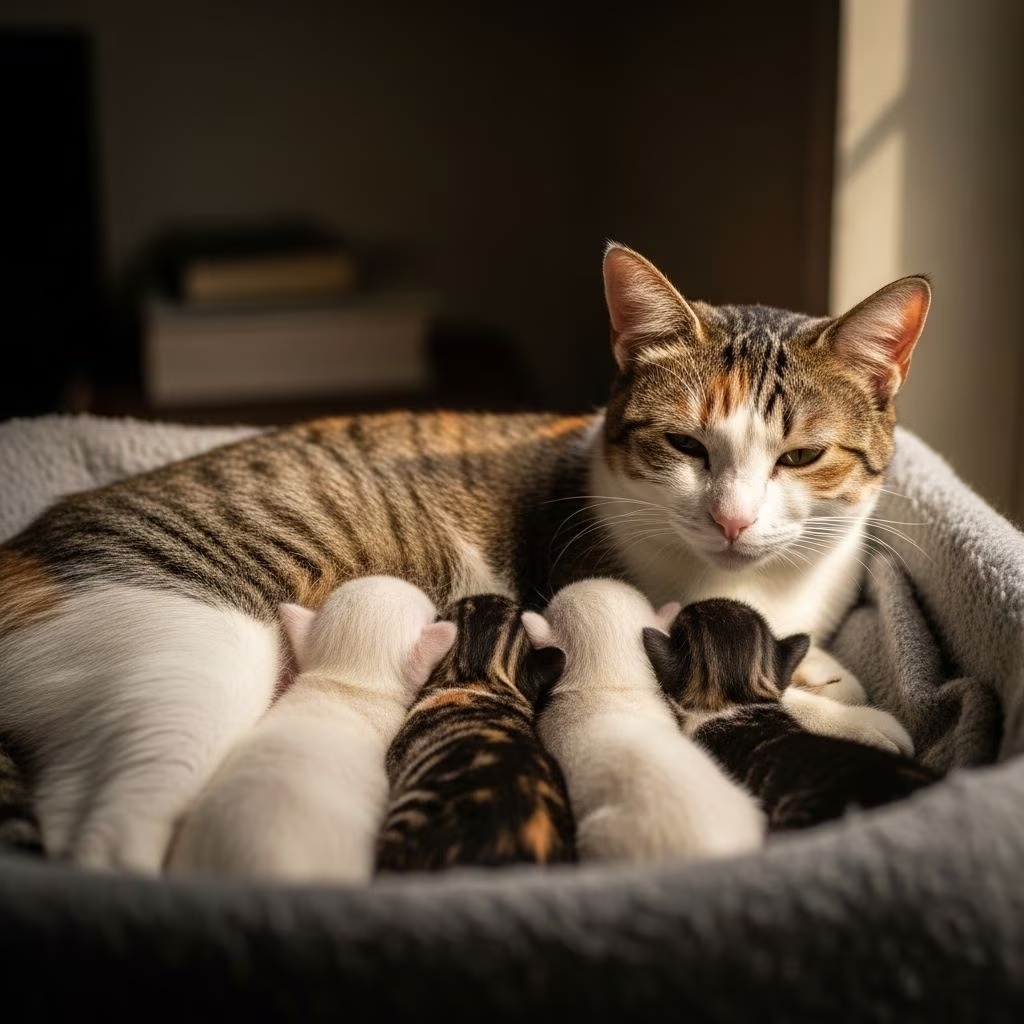
Observing a mother cat relocating her newborns can be concerning for any cat owner. This instinctive behavior stems from her wild ancestry, where hiding kittens from predators was crucial for survival. Understanding the reasons behind it and implementing targeted strategies can help maintain a stable, safe environment for both the queen and her litter. This guide provides comprehensive, vet-approved advice to minimize disruptions while prioritizing the health and well-being of the family.
How to Stop Your Cat From Moving Her Kittens
When a mother cat persistently moves her kittens to unsuitable spots, intervention may be necessary. The key is to create an environment that mimics her ideal nesting conditions: secure, quiet, warm, and clean. Below are five proven tips drawn from veterinary expertise to encourage her to stay put.
1. Handle the Kittens as Little as Possible
The excitement of newborn kittens is irresistible, but excessive handling stresses the mother cat, prompting her to seek a more private location. Limit physical contact to essential checks, such as daily weigh-ins to monitor growth. Observe from afar to confirm nursing and overall health. Avoid inviting visitors until the kittens reach at least four weeks old, when the queen becomes less protective. As kittens begin exploring independently, she will gradually accept more human presence, reducing her urge to relocate.
Pro tip: If weighing is needed, use a kitchen scale in a quiet room, handling each kitten swiftly and returning them promptly to the nest.
2. Keep the Nest Area as Quiet as Possible
Mother cats prefer dimly lit, low-traffic areas for nesting. If her chosen spot is noisy or high-traffic, she may deem it unsafe. Prepare a dedicated nesting space in advance: a quiet room with low light, away from household bustle. Line a sturdy box with soft, clean blankets and place it in a corner.
If she insists on an inappropriate location, respect it but minimize disturbances. Exclude other pets using baby gates or crates. Drape blankets over the area for privacy and sound dampening, creating a cozy den. This setup reassures her that the spot is predator-free and secure.
- Choose spots like closets, basements, or spare rooms with minimal foot traffic.
- Use white noise machines sparingly if external sounds are an issue.
- Secure the area to prevent accidental disturbances.
3. Check the Health of the Queen and Kittens
Sometimes, relocation targets a single kitten, signaling potential illness. Mother cats instinctively isolate weak or sickly offspring to protect the litter, a survival mechanism from feral days. If she removes one kitten repeatedly, inspect for signs like lethargy, poor nursing, diarrhea, or failure to thrive.
Contact your veterinarian immediately for guidance. They may recommend phone triage or an in-clinic exam. Early intervention can save the kitten, often involving supplemental feeding or antibiotics. Monitor the queen for mastitis (inflamed mammary glands), metritis (uterine infection), or eclampsia (milk fever), which can trigger anxious moving.
| Symptom | Possible Issue | Action |
|---|---|---|
| Lethargic kitten | Hypothermia or illness | Warm gently, vet check |
| Queen rejecting one | Sick/deformed kitten | Supplement feed, monitor |
| Queen feverish | Infection | Urgent vet visit |
4. Make Sure the Nest Is Warm
Newborn kittens cannot thermoregulate for the first three weeks, relying on the queen’s body heat and a warm nest. Drafts, cold floors, or low room temperatures (ideal: 85-90°F for newborns, gradually decreasing) can prompt relocation to a cozier spot. Seal windows and doors, use space heaters cautiously (never direct heat), or add a low-wattage heating pad on low, covered with towels.
Install a digital thermometer to track conditions. Provide extra blankets, ensuring they are changed daily to avoid dampness. A warm, draft-free nest satisfies her comfort needs, discouraging moves.
5. Keep the Nest Clean
Cats abhor soiled environments, as odors in the wild attract predators. Regularly remove soiled bedding, wipe up spills, and scoop the litter box multiple times daily. Place food/water bowls nearby but not in the nest to prevent contamination. Use enzyme cleaners for any accidents, eliminating scents that signal uncleanliness.
A pristine area reassures the queen of safety, anchoring her litter in place. Daily maintenance prevents the buildup that triggers relocation.
Why Do Mother Cats Move Their Kittens?
This behavior is deeply rooted in feline instincts, persisting even in domestic settings. Cats retain wild traits, prioritizing kitten safety above all. Common triggers include:
- Noise or brightness: High traffic or light makes the nest feel exposed.
- Sick kitten: Isolating the weak to safeguard the rest.
- Excessive humans/pets: Perceived threats prompt hiding.
- Threat perception: Stress from changes or unfamiliar scents.
- Dirty nest: Instinctive aversion to foul odors.
- Instinctual relocation: Feral moms move litters every 3-4 weeks for fresh safety.
If the new spot is safe, assist by transporting kittens gently, providing fresh bedding, and relocating her amenities. Avoid forcing returns unless danger looms, like near stairs or heaters.
Additional Considerations for Mother and Kittens
Post-birth, the queen needs nutrition-rich food (kitten formula), constant water, and a clean litter box. Monitor weight gain: newborns should gain 10-15g daily. At 2 weeks, brief handling is okay if she permits; always wash hands thoroughly.
For large litters, weakest kittens may be sidelined; offer kitten milk replacer (KMR) via syringe. Feral or first-time moms move more frequently due to inexperience or hyper-vigilance. Supervise child interactions closely.
By week 4, kittens wean, mobility increases, and moving lessens. Spay/neuter post-weaning to prevent future litters unless breeding ethically.
Frequently Asked Questions (FAQs)
Q: Is it normal for a mother cat to move her kittens at night?
A: Yes, nocturnal activity aligns with cats’ natural crepuscular patterns. Minimize disturbances to reduce stress-induced moves.
Q: What if she moves them to a dangerous spot?
A: Gently block access and lure back with food/her scent on new bedding. If persistent, confine to a safe room with all needs met.
Q: Why does she move only one kitten?
A: Often suspects illness/weakness. Return gently; if rejected repeatedly, vet intervention and hand-feeding may be needed.
Q: How often do feral cats move kittens?
A: Typically once around 3-4 weeks, or more if threatened, to evade predators.
Q: When can I handle the kittens safely?
A: From 2 weeks if queen allows, but limit to brief sessions. Wash hands; supervise kids.
Conclusion
Mother cats move kittens out of profound protective instinct, ensuring survival in perceived peril. By fostering a quiet, warm, clean nest and minimizing interference, you honor her needs while safeguarding the litter. Consult vets for health concerns—patience and preparation yield healthy, thriving kittens.
References
- How to Stop a Cat From Moving Her Kittens: 5 Vet-Approved Tips — Catster. 2023. https://www.catster.com/cat-health-care/stop-a-cat-from-moving-kittens/
- Why Do Cats Move Their Kittens? 3 Vet-Verified Reasons — Catster. 2023. https://www.catster.com/cat-behavior/why-cats-move-their-kittens/
- Why Does a Mother Cat Move Only One Kitten? 4 Vet-Approved Reasons — Catster. 2023. https://www.catster.com/cat-behavior/why-does-mother-cat-move-only-one-kitten/
- How Often Will a Feral Cat Move Her Kittens? Vet Approved Facts — Catster. 2023. https://www.catster.com/cat-behavior/how-often-will-a-feral-cat-move-her-kittens/



