
Stomach Worms In Pigs: Diagnosis, Treatment, Control
Comprehensive guide to identifying, preventing, and treating gastric parasites that threaten pig health and farm productivity.
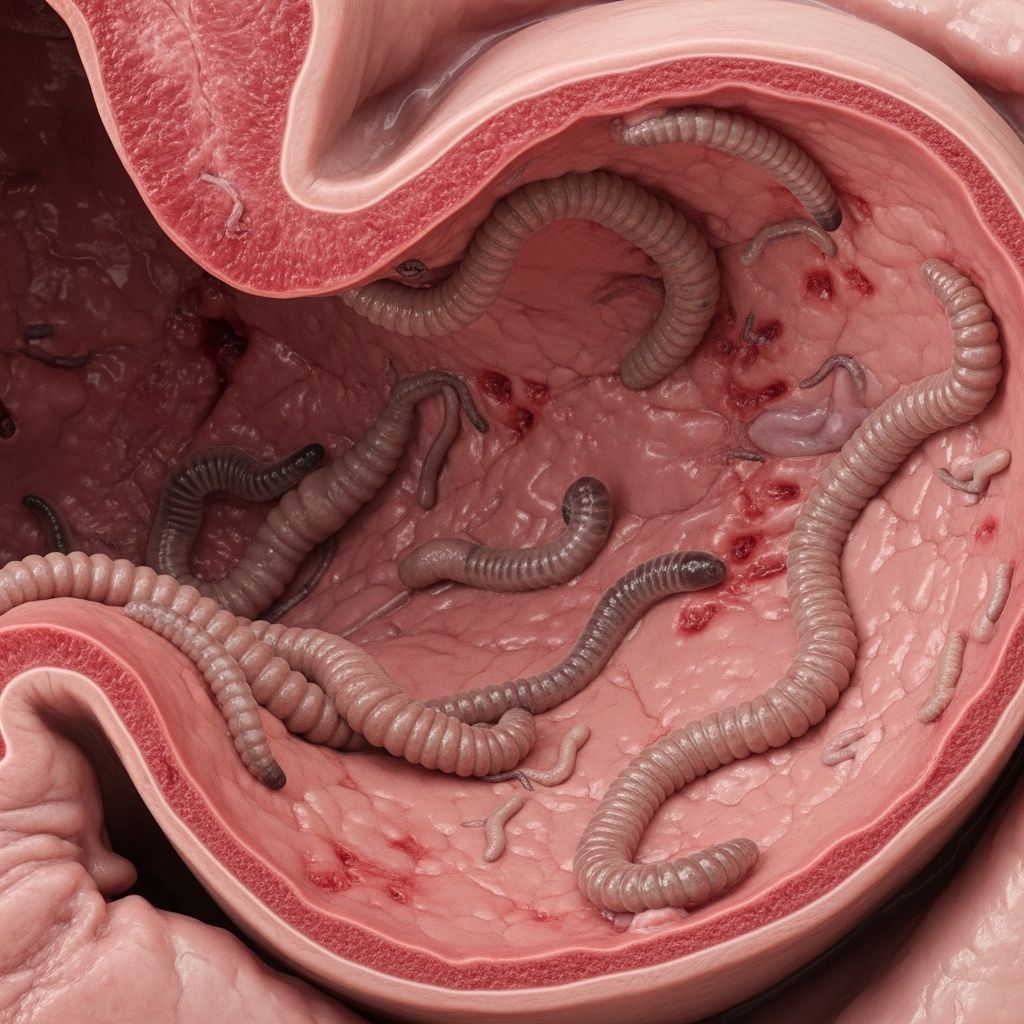
Gastric nematodes, commonly known as stomach worms, represent a significant parasitic challenge in pig farming. These worms primarily inhabit the stomach lining, disrupting digestion, nutrient absorption, and overall growth. Pigs reared outdoors or in contaminated environments face heightened risks, leading to substantial economic impacts through reduced weight gains and increased veterinary costs.
Understanding the Biology of Gastric Parasites in Swine
Stomach worms in pigs belong to several nematode genera, with Hyostrongylus rubidus being the most prominent. This thin-necked stomach worm features an indirect life cycle involving intermediate hosts like earthworms or beetles. Adult worms embed in the gastric mucosa, where females lay eggs that pass in feces, hatching into larvae under favorable conditions.
Unlike direct-cycle parasites, Hyostrongylus species require external vectors for transmission, making outdoor systems particularly vulnerable. Heavy burdens can elevate gastric pH, boost mucus secretion, and trigger catarrhal gastritis, sometimes resulting in mucosal nodules or ulcers. Light infestations often go unnoticed, but compounded stressors like malnutrition amplify damage.
Key Species of Stomach Worms Affecting Pigs
- Hyostrongylus rubidus: The primary thin stomach worm, causing parietal cell replacement and nodular gastritis in severe cases.
- Hyostrongylus spp.: Generally clinically insignificant unless in massive numbers, prevalent in outdoor-reared pigs.
- Other trichostrongylids: Five genera total reside in the pig stomach, contributing to mixed infections.
These parasites thrive in alkaline environments post-infection, impairing acid production essential for digestion. Resumed larval development can exacerbate issues, contaminating pens for young pigs.
Recognizing Clinical Signs of Stomach Worm Infestations
Subclinical infections dominate, with pigs appearing normal yet suffering depressed feed efficiency. Overt symptoms emerge in heavy loads or compromised hosts:
- Decreased appetite and subsequent weight loss.
- Anemia from blood loss at attachment sites.
- Contribution to ‘thin sow syndrome’ in breeding females.
- Intermittent gastritis from larval inhibition and reactivation.
Producers often note unthrifty pigs competing poorly for feed, with pale mucous membranes signaling anemia. In sows, chronic burdens link to emaciation despite adequate nutrition.
Life Cycle and Transmission Dynamics
The lifecycle begins when infective larvae from intermediate hosts are ingested by pigs foraging outdoors. Larvae penetrate the stomach wall, maturing over weeks. Eggs shed in manure embryonate in warm, moist soil, ingested by vectors, perpetuating the cycle.
Outdoor rearing heightens exposure, as pigs root through contaminated soil. Indoor systems reduce but don’t eliminate risks via contaminated feed or water. Larval arrest allows overwintering, resuming activity in spring and posing threats to weaners.
Diagnosis Methods for Accurate Detection
Fecal flotation reveals eggs, though low shedding in light infections demands quantitative techniques like McMaster counting. Necropsy confirms burdens, showing embedded worms and gastric lesions. Serology or larval culture aids identification of indirect-cycle species.
Veterinary consultation is crucial, integrating history of outdoor access with clinical exams. Pooling samples from groups improves detection in grow-finish herds.
Impact on Pig Health and Farm Economics
| Parasite Burden | Health Effects | Economic Losses |
|---|---|---|
| Light | Subclinical; poor feed conversion | Reduced daily gains (5-10%) |
| Moderate | Anorexia, anemia | 19% lower weight gain |
| Heavy | Gastritis, weight loss, thin sows | $5.30/pig net loss without treatment |
Untreated exposures permanently stunt growth potential, with treated pigs showing superior efficiency. Stress from worms compounds with other diseases, slashing profitability.
Effective Treatment Strategies with Anthelmintics
Anthelmintics form the cornerstone of control. Injectable ivermectin at 300 µg/kg achieves 97-100% efficacy against gastric worms, boosting gains and feed efficiency in trials. In-feed premixes at 100 µg/kg for 7 days yield similar results.
Other options include levamisole or fenbendazole, selected based on spectrum. Treat growing pigs every 2 months from 8 weeks, adults biannually, and sows 2-3 weeks pre-farrowing to protect litters. Always follow label doses and withdrawal periods.
Prevention and Control Programs for Herds
Integrated management minimizes risks:
- All-in-all-out housing to break cycles.
- Daily manure removal and disinfection.
- Restrict outdoor access or rotate pastures.
- Routine deworming tied to production stages.
- Monitor via fecal exams quarterly.
Strategic treatments every 60 days in dirt lots prevented 19% growth losses in studies. Biosecurity prevents vector introduction.
Special Considerations for Breeding and Young Pigs
Sows pass inhibited larvae to piglets via milk or colostrum, necessitating pre-farrowing treatments. Young pigs under 3 months suffer most from reactivated burdens, showing diarrhea or failure-to-thrive if co-infected.
Growers demand frequent dosing due to susceptibility; protocols starting at 8 weeks mitigate cumulative damage.
FAQs on Stomach Worms in Pigs
What are the most common stomach worms in pigs?
Hyostrongylus rubidus leads, with other trichostrongylids contributing in outdoor settings.
Can stomach worms kill pigs?
Rarely alone, but heavy loads cause severe anemia and gastritis, worsened by stressors.
How do I know if my pigs have stomach worms?
Look for unthriftiness, pale skin, poor gains; confirm with fecal tests.
What is the best dewormer for gastric nematodes?
Ivermectin formulations excel at 97-100% efficacy.
How often should I deworm my swine herd?
Growers every 2 months, adults twice yearly, sows pre-farrowing.
Advanced Management: Integrating Deworming with Nutrition
Nutrient-rich diets bolster immunity, reducing parasite establishment. High-protein feeds post-treatment accelerate recovery, countering protein losses from mucus hypersecretion. Avoid overstocking to limit reinfection.
Vaccination against secondary pathogens like pneumonia complements deworming, as worms predispose lungs via migration or stress.
References
- Broad-Spectrum Control of Worms — The Pig Site. 1990. https://www.thepigsite.com/articles/broadspectrum-control-of-worms
- Common Internal Parasites of Swine — MU Extension. N/A. https://extension.missouri.edu/publications/g2430
- Understanding Worms in Swine: A Practical Guide — Elanco. N/A. https://farmanimal.elanco.com/au/insights-centre/understanding-worms-in-swine
- Be Proactive About Pig Parasites — Purina Animal Nutrition. N/A. https://www.purinamills.com/swine-feed/education/detail/win-the-battle-against-intestinal-pig-worms
- Swine Parasites — Morris Veterinary Center. N/A. https://morrisvetcenter.com/livestock/swine/swine-parasites.html
- Stomach Worms in Pigs — Merck Veterinary Manual. N/A. https://www.merckvetmanual.com/digestive-system/gastrointestinal-parasites-of-pigs/stomach-worms-in-pigs
Similar Articles








Read full bio of medha deb


