
Stinging Insect Injuries in Animals: Risks and Response
Comprehensive guide to identifying and managing bee, wasp, and ant stings in pets
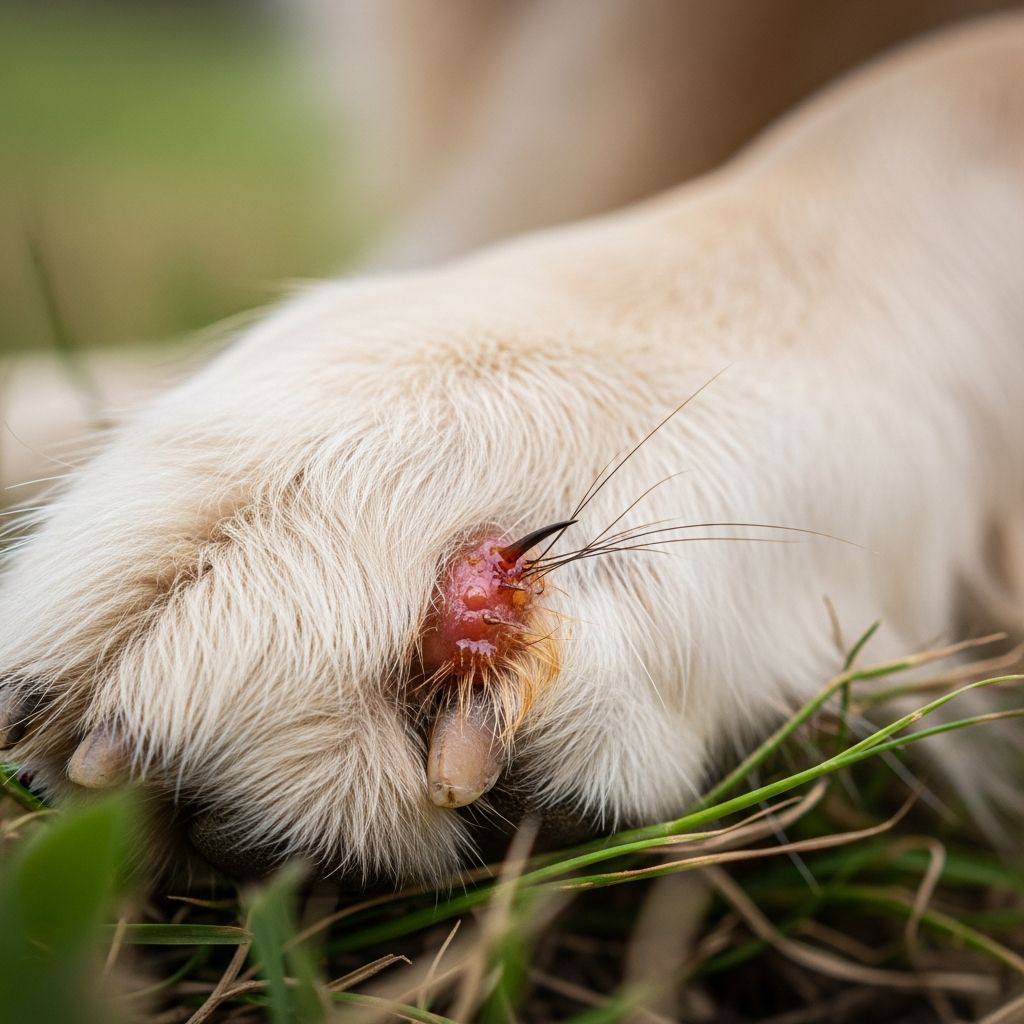
Understanding Stinging Insects and Their Defense Mechanisms
Stinging insects present a significant hazard to companion animals, particularly dogs and cats that encounter these creatures during outdoor activities. The primary stinging insects of concern include honeybees, various wasp species, hornets, yellow jackets, and ants. These insects deploy their stinging apparatus exclusively as a defensive mechanism when they perceive a threat to their colony or nest. Understanding the biological basis of these stings is essential for pet owners and veterinary professionals seeking to manage and prevent envenomations effectively.
All social hymenoptera—the scientific classification encompassing bees, wasps, and ants—exist within organized colonies and exhibit collective defense behaviors. When an animal disturbs a nest or colony, multiple insects may deliver stings in rapid succession, significantly increasing the amount of venom introduced into the victim. This defensive strategy, while effective for protecting the colony, creates serious health risks for curious or inadvertent animals that stumble upon these insects.
The Composition and Nature of Hymenoptera Venoms
The chemical composition of venom varies considerably among different stinging insects, which explains why animals may develop distinct reactions to different species. Honeybee and wasp venoms consist primarily of protein-based compounds that trigger various physiological responses in affected animals. These protein components function as enzymes within the body, with specific molecular functions that contribute to tissue damage and systemic effects.
Fire ant venom presents a markedly different chemical profile, with alkaloid compounds comprising approximately 95% of the venom composition. This fundamental difference in venom chemistry results in distinct clinical presentations and treatment considerations for fire ant envenomations compared to bee or wasp stings.
A critical distinction exists between honeybees and other stinging insects: honeybees possess barbed stingers that become lodged in the tissue of the victim, ultimately resulting in the death of the bee after stinging. In contrast, wasps, hornets, yellow jackets, and ants retain smooth stingers that allow them to withdraw and sting multiple times without injury to themselves. This anatomical difference has significant implications for both the extent of envenomation and the immediate treatment approach.
Recognizing Localized Sting Reactions
The most frequently encountered response to insect stings is a localized reaction confined to the immediate area of the sting. These reactions develop rapidly, typically within seconds of the insect making contact. Pet owners observing their animals after outdoor exposure should watch for several characteristic signs indicative of localized envenomation.
Affected animals frequently display behavioral changes that signal discomfort at the sting site. A dog may suddenly become lame while walking, particularly if the sting occurred on a limb, and the animal may frantically lick at the affected foot or leg. Cats and dogs may rub their faces vigorously, especially around the upper lip area, when facial stings occur. These self-directed behaviors, while understandable responses to pain and itching, can exacerbate tissue damage if the animal causes secondary trauma through excessive licking or scratching.
Visible physical manifestations of localized reactions include:
- Swelling and edema at the sting site, occasionally affecting an entire foot or leg
- Erythema (redness) surrounding the sting area
- Formation of hives or urticarial bumps distributed across the body
- Pruritis (itching) that may be intense and persistent
- Pain and sensitivity in the affected region
Localized reactions typically represent the least serious category of sting-related injuries. The swelling is usually mild and self-limiting, resolving within hours to days without medical intervention in most cases. However, even localized reactions warrant monitoring, as occasionally a single sting can trigger more extensive regional swelling affecting an entire limb or facial structure.
Systemic Responses and Anaphylactic Reactions
Beyond localized reactions, animals may experience systemic responses where the venom’s effects extend throughout the body rather than remaining confined to the sting site. The most serious of these systemic responses is anaphylaxis, an immediate hypersensitivity reaction that constitutes a veterinary emergency requiring urgent intervention.
Anaphylactic reactions develop through a specific immunological mechanism. When an animal with prior sensitization to hymenoptera venom encounters another sting, the venom components interact with antibodies bound to mast cells distributed throughout the body. This interaction triggers massive degranulation of mast cells, resulting in the release of histamine and other biologically active mediators. These released substances cause profound physiological changes, including alterations to vascular tone, increased capillary permeability, and loss of fluid from the bloodstream into surrounding tissues.
The clinical manifestations of anaphylaxis in animals typically emerge within minutes of the sting, though the severity can vary unpredictably between incidents. Pet owners should recognize that an animal experiencing a mild localized reaction to one sting may develop a serious anaphylactic response to a subsequent sting. Conversely, an animal that previously suffered an anaphylactic reaction may not necessarily repeat that response to future stings, though the pattern of reaction typically remains consistent for any given animal.
Critical warning signs requiring immediate veterinary attention include:
- Vomiting or diarrhea occurring shortly after the sting
- Weakness, wobbly gait, or sudden collapse
- Vocalization or unusual vocalizations
- Profuse salivation or drooling
- Labored or difficult breathing
- Facial swelling affecting the muzzle, lips, or throat regions
- Pale or bluish-tinged mucous membranes
Untreated anaphylaxis can rapidly progress to cardiovascular collapse and death. The mechanism underlying fatal anaphylaxis involves dangerous drops in blood pressure, accumulation of fluid in the lungs compromising respiratory function, and potential airway obstruction from throat swelling. Immediate administration of epinephrine can reverse these life-threatening changes, making rapid transport to veterinary care essential.
Delayed Hypersensitivity and Late-Onset Reactions
A third category of sting reaction develops through a distinct immunological mechanism and appears days after the initial envenomation. Delayed-type hypersensitivity reactions typically manifest between three and fourteen days following the sting. This delayed presentation makes the connection between the sting and subsequent illness less obvious to pet owners, complicating diagnosis and appropriate management.
Clinical signs associated with delayed hypersensitivity include vomiting, lethargy or depression, unusual bruising of the gums or abdominal skin, blood-tinged urine, and localized or generalized skin lesions or swelling. Fortunately, delayed reactions occur infrequently in veterinary practice, though their severity can be significant when they do develop.
Massive Envenomation and Toxic Effects
A fourth category of sting-related injury occurs when an animal receives multiple stings delivering such a large aggregate quantity of venom that toxic effects develop independently of allergic sensitization. This scenario, referred to as massive envenomation, can occur in any animal regardless of prior exposure or allergic status.
The toxic threshold for honeybee stings in mammals is estimated at approximately 20 stings per kilogram of body weight, though individual variation exists. For reference, the lethal dose for honeybees is estimated at 8.6 stings per pound of body weight. A healthy adult human would require more than 1,000 stings to face mortality risk from toxic effects alone, explaining why fatal outcomes from multiple stings in people typically involve elderly individuals with underlying cardiovascular or pulmonary disease.
Multiple stings introduce sufficient protein components into the bloodstream to cause direct tissue damage independent of histamine release. Specific venom enzymes dissolve the structural proteins holding cells together and perforate cell membranes, liberating cellular debris. When this debris accumulates faster than the kidneys can eliminate it, acute renal failure can develop, potentially fatal within days of the incident. Additional systemic complications from massive envenomation may include rhabdomyolysis, disseminated intravascular coagulation, hepatic dysfunction, optic neuritis, and severe respiratory distress.
Initial Assessment and First Aid Measures
The immediate management of stinging insect injuries focuses on halting venom delivery and mitigating initial inflammatory responses. If a barbed honeybee stinger remains embedded in the skin, careful removal is important. The optimal technique involves gently scraping the stinger away with a flat edge rather than pinching or tweezering, as pinching can squeeze additional venom from the venom sac still attached to the stinger.
Application of cold therapy through ice packs or cool compresses helps reduce pain, limit swelling, and slow venom absorption. Topical treatments such as lidocaine solutions provide pain relief, while topical or oral corticosteroid preparations reduce inflammatory responses. Oral antihistamines, particularly chlorpheniramine, help counteract histamine-mediated effects and reduce itching and swelling.
For uncomplicated localized reactions, conservative therapy typically suffices without requiring veterinary intervention. However, any signs suggestive of systemic involvement or airway compromise demand immediate veterinary evaluation and treatment.
Veterinary Management and Treatment Protocols
Veterinary management of stinging insect injuries depends upon the reaction type and severity. For confirmed or suspected anaphylactic reactions, injectable epinephrine administered intramuscularly represents the definitive emergency treatment. This medication reverses the physiological cascade triggered by mast cell degranulation, restoring blood pressure, promoting fluid reabsorption, and relieving airway obstruction.
Supporting care includes intravenous fluid administration to restore circulating blood volume, oxygen supplementation for animals with respiratory compromise, and monitoring of vital signs. Additional medications such as intravenous antihistamines, corticosteroids, and supportive treatments address specific complications as they arise.
Animals receiving emergency treatment for anaphylaxis should be monitored closely for several hours, as biphasic reactions occasionally occur with recurrence of anaphylactic symptoms hours after initial recovery. Veterinary guidance regarding future sting prevention and the potential need for epinephrine auto-injectors (similar to human EpiPens) depends upon the animal’s reaction history.
Post-Incident Monitoring and Care Recommendations
Following any stinging insect injury, appropriate observation intervals help identify developing complications. Animals experiencing mild localized reactions warrant monitoring for twelve to twenty-four hours following the incident. Any worsening of local swelling, development of systemic signs, or failure to improve should prompt veterinary evaluation.
For animals with more significant reactions, veterinarians provide specific monitoring guidance tailored to the incident’s severity. Most animals with localized reactions do not require epinephrine injections for future stings, as subsequent reactions typically mirror the previous response. However, multiple simultaneous stings or unusual sensitivity patterns may warrant special considerations and advance preparation for emergency intervention.
Frequently Asked Questions About Stinging Insect Injuries
Can pets develop immunity to stinging insect venom?
Animals do not develop true immunity to hymenoptera venom. However, some animals may show reduced local reactions with repeated exposures. The pattern of reaction, whether mild localized or severe systemic, typically remains consistent for any given animal across multiple sting incidents.
Are certain dog or cat breeds more susceptible to sting reactions?
Susceptibility to sting reactions depends upon individual immune sensitivity rather than breed characteristics. Any animal can develop allergic reactions regardless of breed, age, or size, though smaller animals face greater risk from toxic effects of multiple stings due to their lower body weight.
Should I keep an epinephrine auto-injector for my pet?
Epinephrine auto-injectors are unnecessary following mild localized reactions, as the animal’s subsequent reactions will likely be similar. However, animals with documented anaphylactic reactions should have epinephrine available with clear instructions for emergency administration. Consultation with your veterinarian regarding your pet’s specific risk profile guides this decision.
What steps can reduce my pet’s risk of stinging insect encounters?
Limiting outdoor time during peak insect activity periods, avoiding areas with visible nests or hives, and promptly removing stinging insects from your property reduces exposure risk. Monitoring pets during outdoor activities and promptly removing them from areas where insects are present further protects against stinging incidents.
References
- Hymenoptera stings — National Center for Biotechnology Information (NCBI). PubMed Central. https://pubmed.ncbi.nlm.nih.gov/17265905/
- Bee and Wasp Stings — UC Davis Integrated Pest Management Program. https://ipm.ucanr.edu/pmg/pestnotes/pn7449.html
- Venomous arthropods (Proceedings) — DVM360, Veterinary Information Network. https://www.dvm360.com/view/venomous-arthropods-proceedings
- Stinging insects and the medical risk associated with their venoms — Purdue University Extension, Department of Entomology. https://extension.entm.purdue.edu/publichealth/print/insects/stinging.html
- Arthropod Bites and Stings — American Academy of Family Physicians (AAFP). 2022. https://www.aafp.org/pubs/afp/issues/2022/0800/arthropod-bites-stings.html
- Hymenoptera Envenomation — Wiley Online Library, peer-reviewed veterinary reference. https://onlinelibrary.wiley.com/doi/abs/10.1002/9781119028994.ch145
- Bee and wasp stings — Elwood Veterinary Clinic. https://www.elwoodvet.net/bee-and-wasp-stings
Similar Articles








Read full bio of Sneha Tete


