
Steps to Take When Spotting Animal Cruelty
Empowering witnesses to protect animals through safe, effective reporting and intervention strategies.
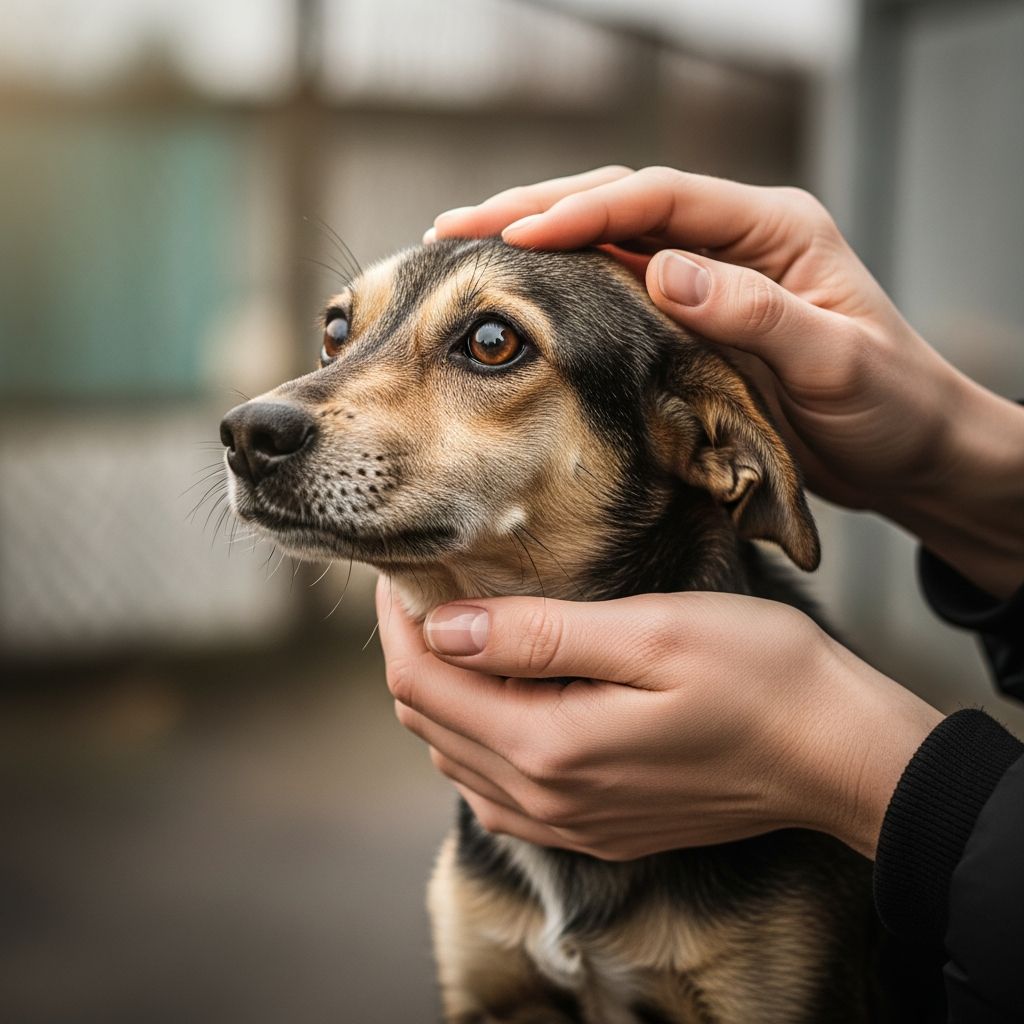
Encountering animal cruelty can be distressing, but knowing how to respond makes a significant difference in protecting vulnerable pets and other animals. This guide outlines practical, legal steps to intervene safely, drawing from established protocols used by animal welfare organizations and law enforcement. By acting thoughtfully, you contribute to stronger communities where animals are treated with respect.
Understanding Signs of Animal Abuse and Neglect
Recognizing mistreatment is the first step toward intervention. Common indicators include extreme thinness, untreated wounds, constant tethering without shelter, or animals left in harsh weather without water or food. Behavioral signs like excessive fear, aggression from pain, or matted fur signal ongoing neglect. In the U.S., every state criminalizes animal cruelty, with many classifying severe cases as felonies.
Veterinarians and certain professionals often have mandatory reporting duties. For instance, in Arizona, vets must report suspicions within 48 hours to law enforcement, including animal details and owner information. Similar rules apply in other states, emphasizing timely action to prevent escalation.
Prioritizing Your Safety Before Anything Else
Never put yourself in harm’s way. If abuse involves violence or weapons, retreat and call emergency services immediately. Observe from public spaces only—trespassing is illegal and dangerous. Your role as a witness is vital, but personal safety comes first, allowing authorities to handle high-risk situations professionally.
Gathering Solid Evidence Discreetly
Documentation strengthens reports and supports investigations. Note exact dates, times, locations, animal descriptions (breed, color, condition), and abuser details if known. Safely capture photos or videos from lawful vantage points, showing the animal’s state without invading private property.
- Date and time of observation
- Precise location (address or landmarks)
- Number and types of animals involved
- Detailed condition: injuries, lack of food/water, shelter issues
- Abuser’s description or vehicle info
- Any prior sightings for patterns
Keep a personal log of your records, including copies of submissions to authorities. This aids follow-ups and potential court testimonies.
Identifying the Right Authorities to Contact
Reporting channels vary by location, but start with local animal control, humane society, or 911 for emergencies. No centralized national agency exists; reports go to local entities like shelters or police. Use tools like the National Link Coalition’s directory for precise contacts.
| Location Example | Contact Method | Response Time |
|---|---|---|
| General U.S. | Local animal control or 911 | Immediate for dangers |
| New York City | 311 or 911 | Urgent crimes in progress |
| Arizona (Vets) | Law enforcement within 48 hrs | Post-examination |
| D.C. (Mandated) | Mayor within 2 days or 6 hrs urgent | Business days |
For online cruelty, report to the Internet Crime Complaint Center (IC3) at ic3.gov, which forwards to relevant agencies. Anonymous options exist via Crime Stoppers in many areas.
Making the Report: What to Include
Provide factual, concise details without speculation. Key elements mirror mandated protocols: reporter contact (optional for anonymity), animal location, owner info if known, incident description, and evidence summary. Phone reports suit urgencies; follow with written submissions.
In Illinois, child welfare specialists cross-report to the Department of Agriculture. Humane societies like the ASPCA recommend naming witnesses willing to assist. If no response follows, politely follow up after a week.
Following Up on Your Report
Track progress by noting the officer’s name, report date, and promised actions. Reasonable delays occur due to caseloads, but persistence ensures accountability. Some agencies update anonymously; others require contact details for court.
Studies link animal abuse to human violence, underscoring reports’ broader impact. Follow-up reinforces community vigilance.
Legal Protections for Reporters
Good-faith reports grant immunity from liability in many states, like Arizona for vets. Anonymity shields most callers, though court may subpoena. Federal and state laws encourage reporting without fear.
Special Scenarios: Online and Hoarding Cases
Internet abuse demands swift IC3 reports, avoiding shares that boost visibility. Hoarding involves multiple animals in squalor—report with counts and conditions. Strays in cruelty may tie to local shelters.
Building Community Awareness
Educate neighbors via talks or social media on signs and reporting. Partner with humane societies for workshops. Consistent reports deter abusers and foster welfare cultures.
FAQs
Can I report anonymously? Yes, most agencies allow it to protect your identity.
What if it’s an emergency? Dial 911 immediately for imminent harm.
Who must report by law? Vets, some welfare workers in various states.
How long until action? Varies; urgents prioritize, others within days.
Is animal cruelty illegal everywhere? Yes, all U.S. states have laws, many felonies.
Long-Term Prevention Strategies
Beyond immediate action, advocate for stronger laws via groups like ASPCA. Volunteer at shelters, support spay/neuter programs reducing strays. Schools can integrate cruelty education, linking it to empathy development.
Technology aids: apps for reporting, AI-flagged online abuse. Communities with hotlines see higher intervention rates.
References
- Who is Mandated to Report Animal Abuse — National Link Coalition. 2010 (updated protocols). https://nationallinkcoalition.org/who-is-mandated-to-report-animal-abuse
- Recognizing and Reporting Animal Abuse and Neglect — ASPCA. Accessed 2026. https://www.aspca.org/investigations-rescue/recognizing-and-reporting-animal-abuse-and-neglect
- How to Report Animal Cruelty — Humane World. Accessed 2026. https://www.humaneworld.org/en/issue/report-animal-cruelty
- Animal Cruelty – Stray — Greater Birmingham Humane Society. Accessed 2026. https://gbhs.org/animal-cruelty-stray
- Reporting Internet Animal Abuse — American Humane Society. Accessed 2026. https://www.americanhumane.org/public-education/reporting-internet-animal-abuse/
- Report Animal Cruelty — Humane Society of the Pikes Peak Region. Accessed 2026. https://www.hsppr.org/law/report/
Similar Articles








Read full bio of medha deb


