

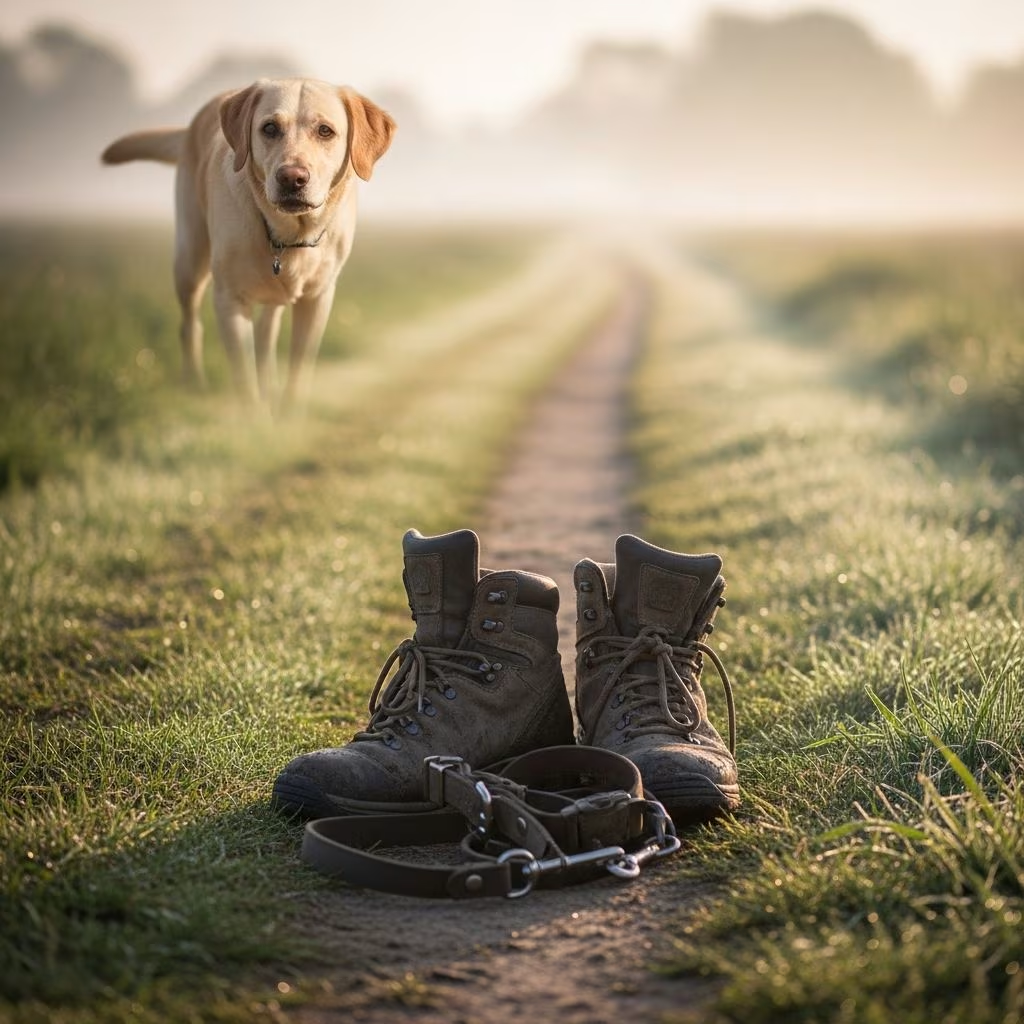
When your dog suddenly disappears, panic can set in quickly, but acting with a clear plan dramatically improves the odds of a happy reunion. Pet loss affects millions annually, with timely intervention often making the difference between permanent separation and a joyful return. This guide outlines structured approaches to searching, notifying authorities, and preventing future escapes, drawing on expert veterinary and animal welfare recommendations.
Immediate Response: The First Critical Hours
The initial moments after discovering your dog is missing are pivotal. Dogs can travel miles in hours, driven by instinct or fear, so rapid action is essential. Start by methodically searching your property and nearby areas before expanding outward.
- Check hiding spots: Look under porches, in bushes, garages, and sheds—frightened dogs often hide close to home.
- Call and entice: Use a familiar whistle, squeaky toy, or smelly food like canned tuna to lure them out without chasing, which can cause further flight.
- Assess escape points: Inspect fences, gates, and doors for breaches to understand how they left and secure them immediately.
Document the exact time and circumstances of the disappearance, noting weather, recent events like fireworks, or visitors that might have startled them. This information aids later searches and reports.
Notifying Local Resources and Authorities
Once initial searches prove fruitless, alert professionals who handle lost pets daily. Time lost here reduces recovery chances, as shelters scan intakes frequently.
| Resource | Contact Priority | What to Provide |
|---|---|---|
| Local Animal Shelters | High | Dog’s description, photo, microchip number |
| Veterinary Clinics | High | Same as above; they scan for chips |
| Animal Control | Medium | Report as missing; check daily |
| Police Non-Emergency | Low unless stolen | Description for patrols |
Visit shelters in person multiple times daily, as dogs may arrive unannounced. Provide clear photos showing unique markings, and update contact details if your dog is microchipped—a tiny implant readable by scanners linking to your info.
Leveraging Community and Digital Tools
Modern technology and neighborhood networks amplify your reach exponentially. Post detailed alerts across platforms tailored for lost pets.
- Social media blasts: Share on Facebook groups like ‘Lost Pets [Your City]’, Nextdoor, and Instagram with geotags. Include breed, color, size, last seen location, and your phone number.
- Print flyers: Distribute 100+ in a 5-mile radius at vets, stores, parks, and poles. Use bold text: ‘LOST DOG – Reward if Found’ with large photo and QR code to a digital album.
- Apps and websites: Register on Petco Love Lost, PawBoost, or Finding Rover, which use AI facial recognition to match found pet photos against yours.
Enlist neighbors via group chats or door-to-door asks; many lost dogs are found by good Samaritans within blocks. Offer a reward to motivate tips, but prioritize safe recovery over money.
Advanced Search Techniques for Extended Absences
If hours turn to days, shift to strategic, sustained efforts. Dogs in survival mode avoid humans, sticking to scents, water, or cover.
- Scent trails: Place unwashed bedding or worn clothes at escape points and home base to guide them back via familiar smells.
- Walk windward paths at dawn/dusk when dogs move most actively.
- Traps and humane bait: Use live traps with strong-smelling foods like hotdogs or fish, camouflaged in dense brush. Check frequently to avoid stress.
- Drones or trackers: If budget allows, hire services with thermal imaging for wooded areas; GPS collars (if previously fitted) provide real-time locations.
Monitor trail cams set at key spots, and consider professional pet detectives experienced in lost dog recovery patterns.
Understanding Dog Behavior When Lost
Grasping why and how dogs get lost informs better strategies. Common triggers include fear (thunder, strangers), chasing prey, or accidental escapes during deliveries.
Frightened dogs enter ‘survival mode,’ becoming skittish and nocturnal. They prioritize safety over hunger, ignoring calls from owners. Breeds like hounds follow scents relentlessly, while herders may roam widely. Puppies and seniors are especially vulnerable due to inexperience or health issues.
Proactive Prevention: Keeping Escapes at Bay
Prevention trumps recovery. Implement these layered safeguards year-round.
ID and Technology Upgrades
- Mandate collars with tags listing phone, name, and address—update seasonally.
- Microchip every dog; verify registration annually with databases like AKC Reunite.
- Add AirTag or Apple Find My-compatible trackers to collars for live mapping.
Home Fortification
Audit your property like a dog inspector:
- Fences: Minimum 6ft solid wood/vinyl; bury chicken wire 1ft deep to deter diggers.
- Gates: Self-latching with double hardware; add ‘beware of dog’ signs.
- Indoors: Crate train for alone time; block window access.
Training Essentials
Daily sessions build reliability:
- Recall mastery: Practice ‘come’ in distractions with high-value treats; never punish returns.
- Leash protocol: Secure walks only—no off-leash until 100% reliable.
- Door manners: Teach ‘wait’ before exits; simulate door dashes.
Enroll in obedience classes for socialization and advanced cues like ‘leave it’ to curb bolting after critters.
Veterinary and Wellness Checks
Annual exams catch issues like thyroid imbalances causing roaming. Spay/neuter reduces wanderlust hormones. Discuss anxiety meds or behaviorists for escape artists.
Frequently Asked Questions
What if my dog returns injured?
Seek vet care immediately; many injuries from roads or fights are treatable if addressed promptly.
How long should I search?
Weeks or months—many reunions happen after 30+ days via chips or posters.
Should I use food bowls outside?
Yes, but elevated and covered to attract without raccoon raids; refresh nightly.
Is microchipping painful?
Comparable to a vaccine; done in minutes at most clinics.
What about invisible fences?
Effective for some, but test thoroughly—motivated dogs may cross.
Emotional Support During the Search
The wait is agonizing; join support groups on Reddit’s r/Lost_Dogs for shared stories and tips. Track progress in a journal to stay organized, and lean on friends for breaks. Celebrate small wins like new leads.
With persistence, over 90% of chipped lost dogs reunite per shelter data. Stay hopeful—your proactive steps maximize success.
References
- Lost Pet Prevention: Best Practices — Zignature. 2023. https://zignature.com/lost-pet-prevention-best-practices/
- 6 Ways to Prevent Your Pets from Getting Lost — Phillips Creek Veterinary Clinic. 2024. https://phillipscreekvet.com/news/prevent-your-pets-from-getting-lost
- National Lost Pet Prevention Month: Our Best Tips — Oradell Animal Hospital. 2023. https://www.oradell.com/services/dogs/blog/national-lost-pet-prevention-month-our-best-tips-keeping-your-furry-friend-safe
- Lost Pet Prevention — Small Animal Hospital LLC. 2024. https://www.smallanimalhospitalllc.com/blog/lost-pet-prevention
- Prevent Your Dog Becoming Lost — 3Retrievers. 2023. https://www.3retrievers.com/prevent-your-dog-becoming-lost.html



