

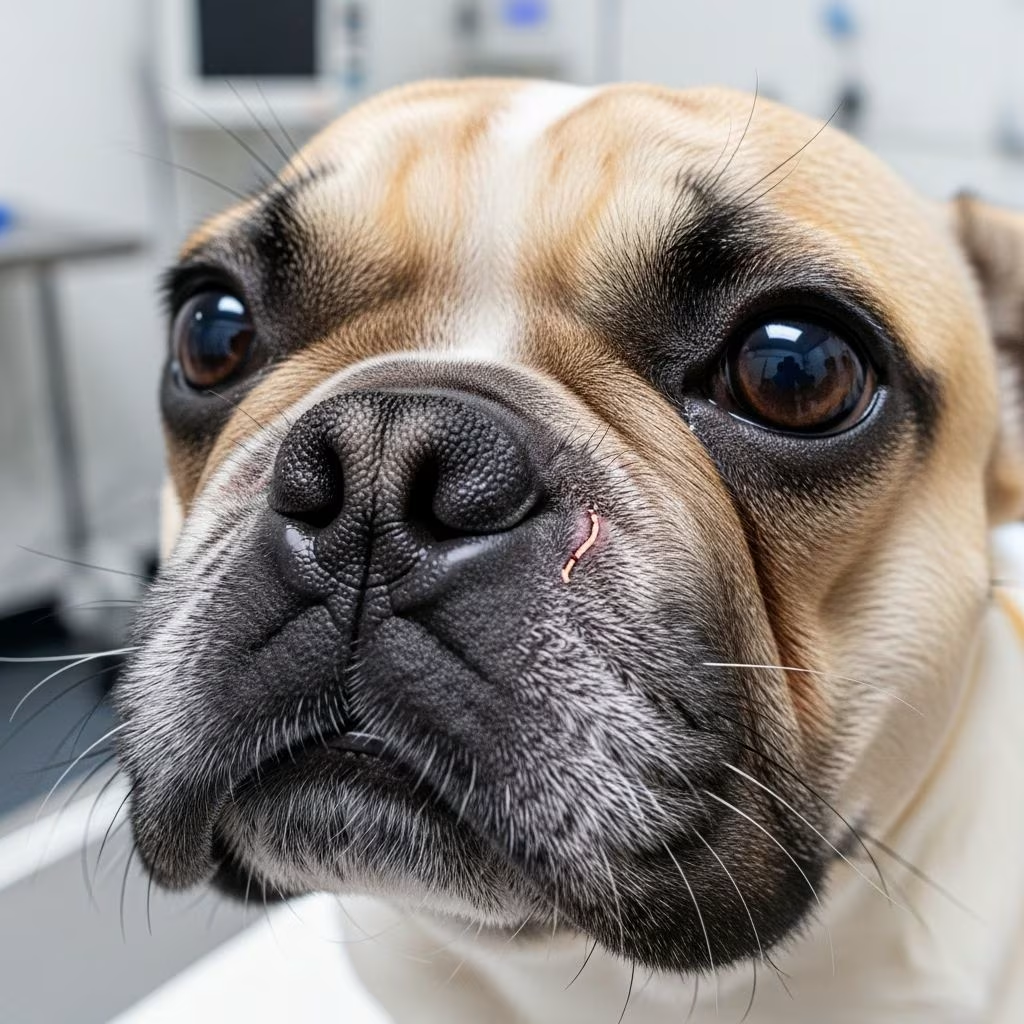
Stenotic nares surgery addresses narrowed nostrils in brachycephalic dogs, improving airflow and overall health. Costs typically range from $500 to $3,000, varying by location, clinic, and procedure complexity.
Understanding Stenotic Nares in Brachycephalic Breeds
Brachycephalic dogs, such as Bulldogs, Pugs, French Bulldogs, and Boston Terriers, often have stenotic nares—nostrils that are too small or pinched, restricting air intake. This condition is a key component of Brachycephalic Obstructive Airway Syndrome (BOAS), leading to noisy breathing, exercise intolerance, overheating, and sleep disturbances.
Owners may notice symptoms like excessive snoring, snorting, mouth breathing, or blue gums during exertion. Untreated, it worsens over time, potentially causing secondary issues like elongated soft palates or laryngeal collapse. Early intervention through surgery can dramatically enhance a dog’s comfort and lifespan.
The Surgical Procedure Explained
Stenotic nares correction, also called nares resection or rhinoplasty, involves removing a small wedge of tissue from each nostril to widen the openings. Performed under general anesthesia, the procedure takes 30-60 minutes and is often combined with spay/neuter or other BOAS corrections to minimize anesthesia risks and costs.
Techniques include:
- Vertical wedge resection: Removes a V-shaped piece for precise widening.
- Horizontal wedge or punch resection: Alternative methods for tissue removal.
- Alar wing amputation: Trims excess nostril folds.
Veterinarians use fine sutures like 4-0 Monocryl to close incisions, ensuring proper healing and minimal scarring. Board-certified surgeons at referral centers are recommended for severe cases.
Factors Influencing Surgery Costs
Surgery expenses depend on several variables. Here’s a breakdown:
| Factor | Average Cost Impact | Details |
|---|---|---|
| Geographic Location | $500-$1,500 variation | Urban areas (e.g., NYC, LA) higher; rural clinics lower. |
| Clinic Type | $800-$2,500 | General vet vs. specialty hospital; board-certified surgeons add 20-50%. |
| Combined Procedures | Saves $300-$800 | With spay/neuter or palate correction reduces total anesthesia fees. |
| Dog Size/Age | $200-$500 extra | Larger breeds or adults with complications cost more. |
| Pre-Op Diagnostics | $200-$600 | Bloodwork, X-rays, CT scans for BOAS assessment. |
National averages: $1,200-$2,500 for standalone surgery, dropping to $800-$1,800 when bundled. Emergency cases or ICU monitoring can push totals to $3,000+.
Average Costs by US Region
Costs fluctuate regionally due to overhead and demand:
- Northeast (NY, MA): $1,800-$3,000 – High living costs, specialist access.
- South (TX, FL): $900-$2,000 – More affordable general practices.
- Midwest (IL, OH): $1,000-$2,200 – Balanced pricing.
- West Coast (CA, WA): $1,500-$2,800 – Premium for advanced facilities.
- Mountain States (CO, AZ): $1,100-$2,400 – Veterinary tourism potential.
Pet insurance covering 70-90% or care credit options can offset expenses significantly.
Pre-Surgery Preparation and Diagnostics
Before surgery, vets conduct a thorough exam including:
- Physical airway assessment.
- Blood panels for anesthesia safety ($100-$300).
- Imaging like radiographs or endoscopy ($200-$500) to check for concurrent BOAS issues.
Puppies as young as 6 months can undergo correction, ideally during routine desexing for cost efficiency. Weight management and avoiding heat exposure pre-op aid recovery.
Post-Operative Care and Recovery Timeline
Most dogs go home the same day, wearing an e-collar to prevent pawing. Expect:
- Days 1-2: Swelling, grogginess, mild discharge; pain meds like NSAIDs administered.
- Week 1: Reduced snoring, suture check; limit activity.
- Weeks 2-3: Full healing, recheck appointment; resume normal play.
Monitor for complications like infection (rare, <5%) or swelling-induced dyspnea, which may require steroids or oxygen. Owners report 80-90% improvement in breathing within weeks.
Long-Term Benefits and Outcomes
Surgery yields transformative results:
- Enhanced exercise tolerance and reduced panting.
- Lower overheating risk, better sleep.
- Prevented progression to severe BOAS or collapse (84% success in studies).
- Improved quality of life; dogs remain brachycephalic but breathe easier.
Early surgery in puppies yields best outcomes, as issues compound with age.
Risks, Complications, and Safety Measures
Low-risk (complication rate <10%), but includes anesthesia reactions, bleeding, or edema. Experienced teams use monitoring and post-op ICU if needed. Severe cases may require tracheostomy (rare). Choose vets familiar with brachycephalics.
Financial Planning: Insurance, Payment Options, and Savings Tips
- Pet Insurance: Policies like Trupanion cover 80-90% after deductibles ($200-$500 annual savings).
- Care Credit/Financing: 0% interest plans for 6-24 months.
- Low-Cost Clinics: University vet schools offer 20-40% discounts.
- Bundle Surgeries: Combine with neuter to halve anesthesia fees.
Shop quotes from 2-3 vets; non-profits like CARE provide grants for low-income owners.
FAQs
Q: At what age should my puppy have stenotic nares surgery?
A: Ideally 6-12 months, often with desexing for efficiency and lower costs.
Q: Will my dog still snore after surgery?
A: Many improve significantly, but some residual noise persists due to breed traits.
Q: Is the surgery outpatient?
A: Yes, most dogs recover at home same day with e-collar and meds.
Q: How much does insurance cover?
A: 70-90% typically, check accident/illness riders for congenital conditions.
Q: Can all brachycephalic dogs benefit?
A: Yes, if nostrils are moderately to severely narrowed; consult for assessment.
When to Consider Surgery for Your Dog
If your flat-faced companion struggles with breathing during walks, sleeps restlessly, or overheats easily, consult a vet promptly. Weighing costs against lifelong health gains, this surgery is often a worthwhile investment for happier, healthier pets.
References
- Stenotic Nares Surgery: What It Is & What to Expect — Veterinary Healthcare Associates. 2023. https://vhavets.com/blog/stenotic-nares-surgery/
- Can Stenotic Nares Surgery Help My Pug Breathe Better? — Dr. Kelly’s Surgical Unit. 2023. https://www.drkellysvet.com/benefits-of-stenotic-nares-surgery/
- Stenotic Nare Augmentation — Candlewood Vet Clinic. 2023. https://candlewoodvet.com/stenotic-nare-augmentation/
- Brachycephalic Airway Syndrome in Dogs — VCA Animal Hospitals. 2024-01-15. https://vcahospitals.com/know-your-pet/brachycephalic-airway-syndrome-in-dogs
- Rhinoplasty for Stenotic Nares — Veterinary Surgery Online. 2023. https://www.vetsurgeryonline.com/stenotic-nares/
- Stenotic Nares — Melbourne Bulldog Clinic. 2023. https://melbournebulldogclinic.com.au/surgery/stenotic-nares/
- Brachycephalic Airway Syndrome, Part 1: Correcting Stenotic Nares — dvm360. 2008-07-01. https://www.dvm360.com/view/brachycephalic-airway-syndrome-part-1-correcting-stenotic-nares



