Stem Cells in Animal Regenerative Therapy
Unlocking the power of stem cells to heal pets and livestock from joint pain, injuries, and chronic diseases through innovative veterinary treatments.
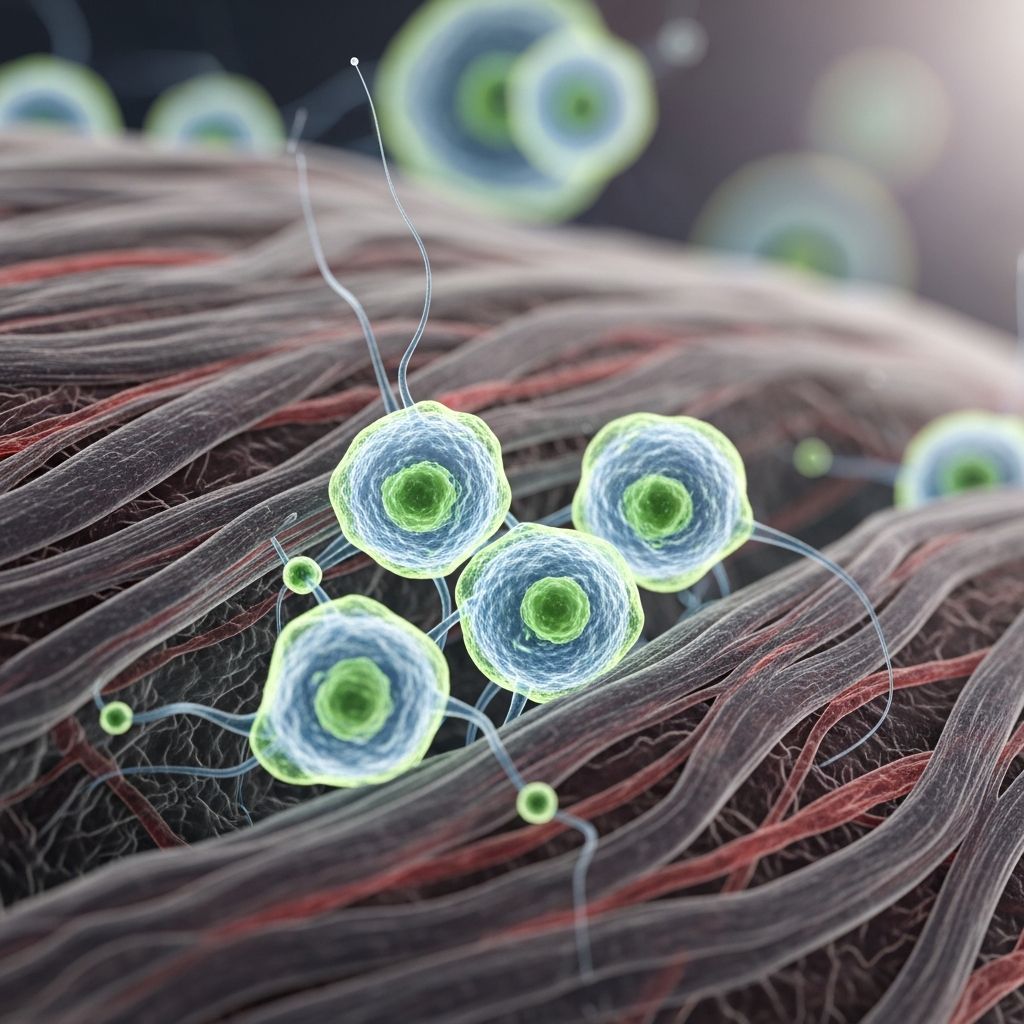
Regenerative therapies using stem cells represent a groundbreaking approach in veterinary care, enabling damaged tissues in animals to repair and renew themselves. These treatments harness the unique ability of stem cells to differentiate into various cell types, reduce inflammation, and promote healing in conditions like joint degeneration and soft tissue injuries.
Understanding Stem Cells and Their Role in Healing Animals
Stem cells are undifferentiated cells capable of developing into specialized types such as muscle, cartilage, or bone. In veterinary applications, mesenchymal stem cells (MSCs) from sources like adipose tissue or bone marrow are most commonly used due to their multipotent nature and immunomodulatory effects. These cells not only replace damaged tissue but also secrete growth factors that modulate immune responses and stimulate repair processes.
Adult stem cells, particularly adipose-derived stem cells (AD-SCs), are preferred in animals because they are abundant, easily harvested via minimally invasive procedures, and can be expanded in culture without losing potency. Unlike embryonic stem cells, adult ones pose fewer ethical concerns and lower rejection risks in autologous treatments, where cells are sourced from the same animal.
Primary Applications in Companion and Farm Animals
Stem cell therapy shines in treating musculoskeletal disorders prevalent in pets and livestock. For dogs and cats, osteoarthritis (OA) is the leading indication, with studies showing over 80% improvement in pain, mobility, and function after treatment. In horses, therapies target tendon and ligament injuries, accelerating recovery and reducing lameness.
- Dogs and Cats: OA in hips, elbows, and knees; success rates exceed 80% in clinical trials for pain relief and joint function.
- Horses: Tendon lesions, suspensory ligament desmitis; promotes tissue regeneration and anti-inflammatory effects.
- Cattle and Other Livestock: Emerging uses for joint diseases and wound healing, leveraging autologous or allogeneic cells.
Beyond orthopedics, potential extends to spinal cord injuries, kidney disease, liver failure, and cardiomyopathy, though evidence here is preliminary and relies on ongoing trials.
Step-by-Step Process of Stem Cell Administration
The procedure typically spans several days and involves three core phases, performed by trained veterinarians.
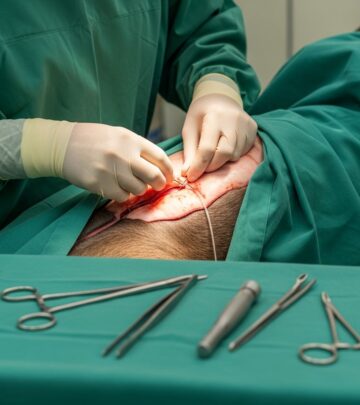
- Harvesting: Under anesthesia, fat or bone marrow is collected from areas like the abdomen or groin. This minimally invasive step yields high volumes of stem cell-rich tissue.
- Processing: Samples are sent to specialized labs (e.g., Vet-Stem) for isolation, concentration, and culture expansion if needed. AD-SCs are separated via enzymatic digestion and centrifugation.
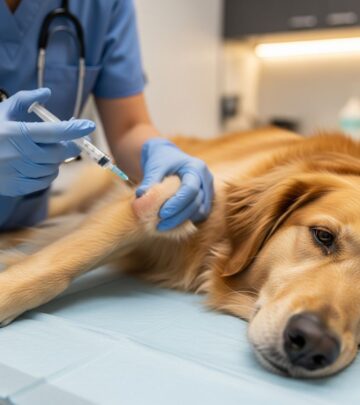
- Injection: Concentrated cells (often 20-50 million) are injected into the affected site, such as joints or tendons, under ultrasound guidance and light sedation.
Allogeneic options, using donor cells from healthy animals, offer off-the-shelf availability but require matching to minimize immune reactions. Platelet-rich plasma (PRP) is frequently combined, providing growth factors like VEGF and PDGF to enhance outcomes.
Autologous vs. Allogeneic: A Comparison
| Aspect | Autologous | Allogeneic |
|---|---|---|
| Source | Patient’s own tissue | Donor animal (same species) |
| Processing Time | 1-2 weeks | Immediate |
| Rejection Risk | Very low | Low-moderate (HLA matching) |
| Cost | Higher (lab fees) | Lower (pre-made) |
| Best For | Chronic OA, custom needs | Acute injuries, field use |
This table highlights trade-offs, with autologous preferred for personalized therapy despite delays.
Scientific Evidence and Clinical Outcomes
Peer-reviewed studies affirm efficacy. A blinded trial in 18 dogs with OA showed significant gains in lameness scores, pain reduction, and range of motion versus saline controls at 90 days. Another review of over 200 dogs reported mobility improvements and quality-of-life boosts 10 weeks post-injection.
In horses, Cornell University’s trials track long-term safety for nerve and musculoskeletal issues, noting faster recovery and less pain. PubMed analyses confirm MSCs enhance fracture healing, tendon repair, and OA management in canines.
Success metrics include:
- 70-90% pain reduction in OA cases.
- Improved daily activity and owner satisfaction.
- Reduced need for euthanasia in severe cases.
Safety Profile, Risks, and Limitations
Stem cell therapy is generally safe, with minimal adverse events reported in thousands of cases. Risks include infection at harvest sites (rare, <1%), mild injection-site swelling, or allergic reactions in allogeneic use. Anesthesia poses the primary concern, especially in older animals.
No standardized FDA guidelines exist yet; the AVMA supports research but urges caution outside trials. Costs range $2,500-$5,000 per treatment, not always insured, and outcomes aren’t guaranteed—factors like disease severity and patient age influence results.
“Veterinarians must weigh proven therapies first and set realistic expectations with owners.”
Future Directions and Ongoing Research
Advancements include in-clinic processing kits for same-day treatments and genetic engineering for enhanced potency. Trials explore systemic delivery for organ diseases and combinations with scaffolds for spinal repair. The North American Veterinary Regenerative Medicine Association fosters collaboration.
Long-term studies at institutions like Texas A&M and Cornell aim to solidify protocols. As data accumulates, stem cells could become first-line for refractory conditions.
Frequently Asked Questions (FAQs)
Is stem cell therapy painful for my pet?
Procedures use anesthesia, so animals experience minimal discomfort. Post-injection soreness resolves in 24-48 hours.
How long do results last?
Many pets enjoy 1-2 years of relief; repeat doses extend benefits.
Can it cure arthritis completely?
No, it manages symptoms and slows progression but doesn’t eradicate underlying degeneration.
Is it suitable for all breeds?
Yes, but brachycephalic breeds or those with comorbidities need vet evaluation.
What about cats and exotic pets?
Effective for feline OA; equine and bovine applications are expanding.
Consult a certified regenerative vet to determine candidacy. Organizations like Vet-Stem provide resources.
References
- Stem Cell Therapy | VCA Animal Hospitals — VCA Hospitals. 2023. https://vcahospitals.com/know-your-pet/stem-cell-therapy
- Stem Cell and Platelet Rich Plasma Therapy — Fayetteville Veterinary Hospital. 2023. https://fayettevillevet.net/stem-cell-and-platelet-rich-plasma-therapy/
- Advances in Stem Cell Therapy: Application to Veterinary Medicine — Today’s Veterinary Practice. 2023. https://todaysveterinarypractice.com/integrative-alternative-medicine/advances-in-stem-cell-therapy-application-to-veterinary-medicine/
- Stem Cell Therapy in Dogs and Horses — Cornell University College of Veterinary Medicine. 2025. https://www.vet.cornell.edu/hospitals/clinical-trials/stem-cell-therapy-dogs-and-horses
- Mesenchymal stem cell therapy in veterinary orthopaedics — PubMed (Peer-reviewed). 2024-10-15. https://pubmed.ncbi.nlm.nih.gov/40875146/
- Stem Cell Therapy for Aging Related Diseases and Joint… — PMC (Peer-reviewed). 2023. https://pmc.ncbi.nlm.nih.gov/articles/PMC10417747/
- Stem Cell FAQs — Texas A&M Veterinary Medical Teaching Hospital. 2024. https://vethospital.tamu.edu/small-animal/orthopedics/stem-cell-faqs/
Similar Articles







Read full bio of medha deb