
Stem Cell Therapy for Cats
Discover how regenerative stem cell treatments are transforming care for cats with chronic conditions like arthritis, kidney disease, and oral inflammation.
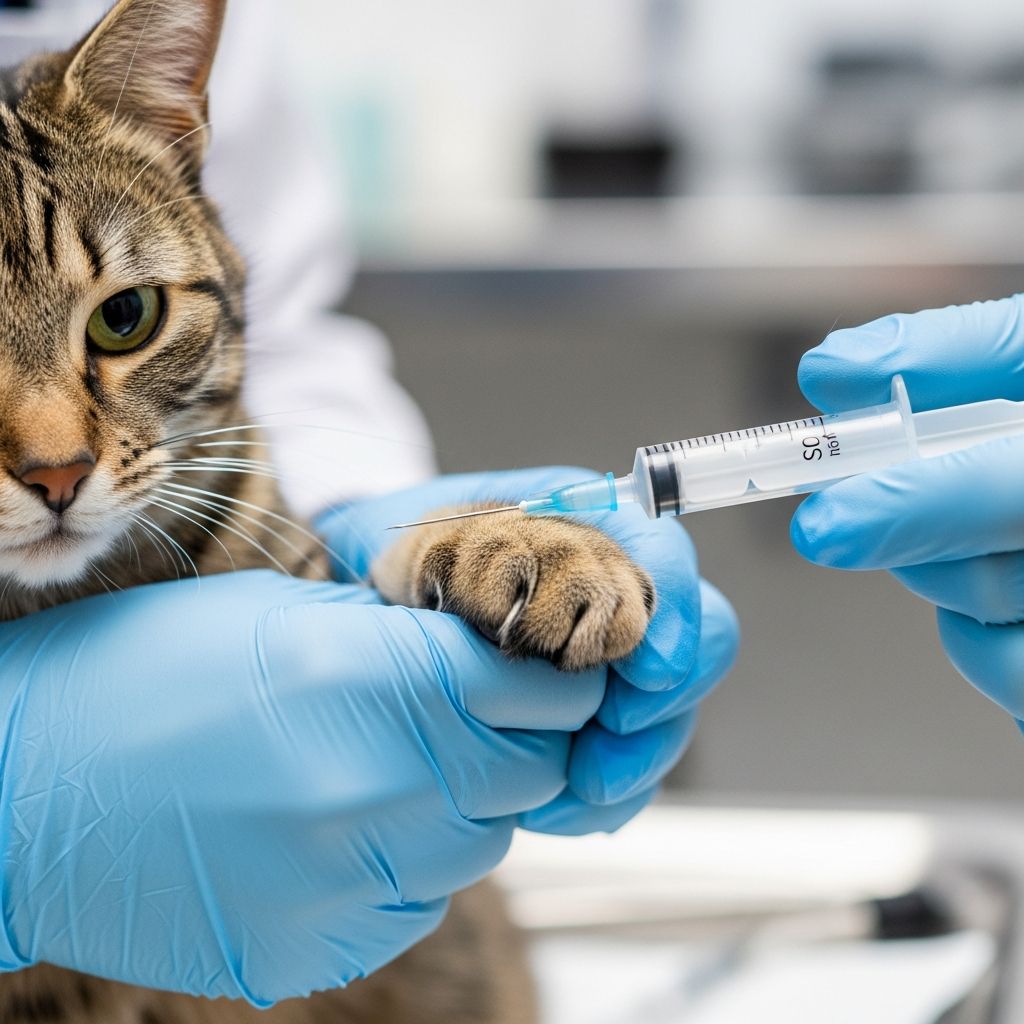
Stem cell therapy represents a groundbreaking approach in veterinary medicine, harnessing the body’s natural repair mechanisms to treat debilitating conditions in cats. By injecting mesenchymal stem cells (MSCs), typically derived from a cat’s own fat tissue, veterinarians can reduce inflammation, promote tissue regeneration, and improve quality of life for felines suffering from chronic diseases.
Understanding Stem Cells and Their Role in Feline Health
Stem cells are unique cells capable of self-renewal and differentiation into various specialized cell types, making them powerful tools for regeneration. In cats, mesenchymal stem cells from adipose (fat) tissue are most commonly used due to their immunomodulatory properties, which help suppress excessive immune responses and foster healing in inflamed or damaged areas.
These cells secrete bioactive molecules that modulate the immune system, reduce inflammation, and stimulate tissue repair. Unlike traditional treatments that merely manage symptoms, stem cells address underlying pathology, offering potential long-term relief for conditions previously managed only palliatively.
The Step-by-Step Process of Stem Cell Treatment
Administering stem cell therapy to cats involves a precise, multi-stage procedure designed to ensure cell viability and efficacy.
- Harvesting: Under general anesthesia, a small sample of fat is collected from areas like the abdomen or shoulder. This minimally invasive step yields millions of stem cells.
- Processing: The fat is sent to a specialized lab where stem cells are isolated, concentrated, and sometimes cultured to increase numbers. Processing typically takes 48-72 hours.
- Injection: Viable stem cells are injected directly into affected sites, such as joints, intravenously for systemic issues, or other targeted areas. Light sedation may be used.
- Recovery: Cats usually go home the same day, requiring only rest. Visible improvements often appear within 1-4 weeks.
Banking extra cells during initial harvest allows for future treatments without repeat surgeries, a key advantage for chronic conditions.
Key Conditions Treated with Stem Cell Therapy in Cats
Stem cell therapy shows particular promise for inflammatory and degenerative diseases in cats. Here’s an overview of primary applications:
| Condition | Symptoms Addressed | Reported Outcomes |
|---|---|---|
| Feline Chronic Gingivostomatitis (FCGS) | Painful oral inflammation, even post-tooth extraction | Significant pain reduction and improved eating in clinical trials |
| Osteoarthritis | Joint pain, stiffness, reduced mobility | Decreased lameness, better joint function |
| Chronic Kidney Disease (CKD) | Declining renal function, lethargy | Stabilized disease progression, improved blood flow |
| Chronic Enteropathy | Gut inflammation, diarrhea | Reduced symptoms via immunomodulation |
| Asthma | Respiratory distress | Potential anti-inflammatory benefits |
Feline Chronic Gingivostomatitis: A Breakthrough Application
FCGS affects up to 10% of cats, causing severe oral pain unresponsive to extractions. UC Davis trials demonstrated that autologous fat-derived MSCs, administered intravenously, led to remission in many cases. One study cat, treated after full-mouth extractions, achieved a pain-free life. MSCs reduce lymphocytic inflammation, promoting mucosal regeneration.
Osteoarthritis and Joint Disorders
Common in senior cats, osteoarthritis erodes cartilage and synovial fluid. Intra-articular stem cell injections repair tissue, lubricate joints, and curb inflammation. Cats often regain agility within weeks, with effects lasting 6-18 months.
Chronic Kidney Disease Management
CKD is a leading cause of death in cats. Stem cells’ anti-inflammatory and pro-vascular effects may slow progression by improving renal blood flow and reducing fibrosis. Ongoing trials at institutions like Colorado State University show encouraging stabilization.
Benefits of Stem Cell Therapy
- Minimally Invasive: Outpatient procedure with quick recovery.
- Autologous Source: Low rejection risk using the cat’s own cells.
- Holistic Healing: Targets root causes, not just symptoms.
- Repeatable: Stored cells enable ongoing therapy.
- FDA Progress: As of June 2025, ready-to-use products gained conditional approval, enhancing accessibility.
Potential Risks and Limitations
While generally safe, risks include anesthesia complications, infection at harvest sites, or variable efficacy. Not suitable for cancer patients, as stem cells might promote tumor growth. Response rates vary; biomarkers are being researched to predict success. Costs range from $2,000-$5,000 per treatment, excluding storage fees.
Latest Research and Future Directions
Veterinary teaching hospitals lead clinical trials. Peer-reviewed studies confirm MSCs’ safety for FCGS, CKD, and enteropathies. Future applications may include spinal injuries, heart disease, and liver conditions. Human translations from feline models accelerate progress.
Advancements like allogeneic (donor) cells and off-the-shelf products promise broader use.
Preparing Your Cat for Stem Cell Therapy
- Consult a regenerative medicine specialist.
- Perform diagnostics (bloodwork, imaging).
- Discuss banking options.
- Plan post-treatment rest (crate confinement 1-2 weeks).
Frequently Asked Questions (FAQs)
Is stem cell therapy painful for cats?
Procedures use anesthesia; post-injection discomfort is minimal, resolving quickly.
How long do results last?
Typically 6-18 months; boosters available with banked cells.
Can all cats receive this treatment?
Best for inflammatory/degenerative issues; contraindicated in active cancer or severe infections.
What’s the success rate?
60-80% show improvement in trials for FCGS and OA.
Will insurance cover it?
Pet insurance may partially reimburse; check policies.
Choosing a Provider
Select vets affiliated with accredited labs (e.g., those using FDA-pending products). Verify experience in feline cases and trial participation.
References
- Stem Cell Therapy for Cats — Preventive Vet. 2025-06. https://www.preventivevet.com/cats/stem-cell-therapy-for-cats
- Mesenchymal stem cell therapy in cats: Current knowledge — PMC/NCBI (Peer-reviewed). 2024. https://pmc.ncbi.nlm.nih.gov/articles/PMC10816289/
- Stem Cell Therapy for Dogs and Cats — Two Rivers Veterinary Hospital. 2024. https://www.tworiversveterinaryhospital.com/resources/stem-cell-therapy
- Cat Stem Cell Therapy Gives Humans Hope — UC Davis (.edu). 2024. https://www.ucdavis.edu/news/stem-cell-treatment-cats-offers-hope-humans-0
- Veterinarians pursue stem-cell therapy for cats with severe kidney disease — Colorado State University (.edu). 2024. https://source.colostate.edu/veterinarians-pursue-stem-cell-therapy-cats-severe-kidney-disease/
Similar Articles








Read full bio of Sneha Tete




