

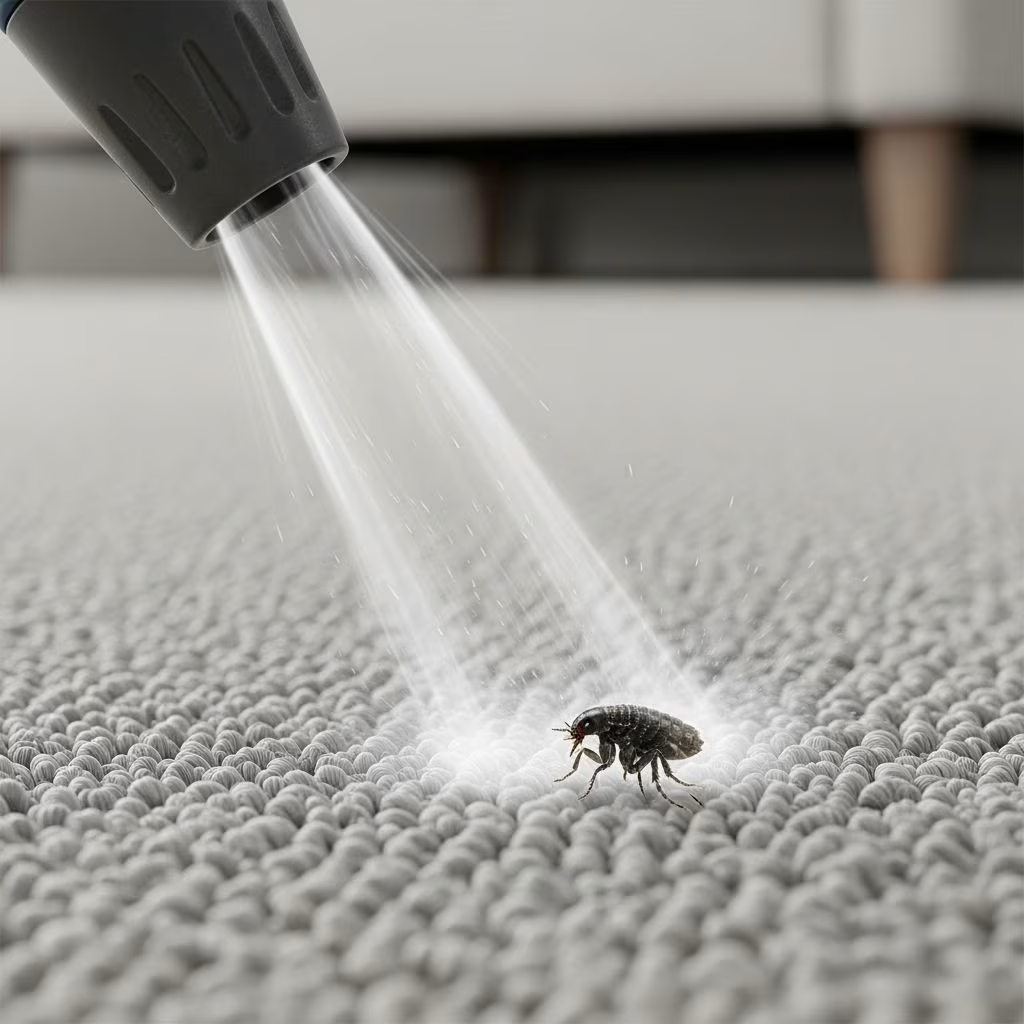
When flea infestations strike a household, pet owners often search for the most effective and least invasive solutions. Steam cleaning has emerged as a popular method, but understanding its actual capabilities and limitations is essential for successful flea management. The reality is that while steam can be a powerful tool against fleas, it works best as part of a comprehensive pest control strategy rather than a standalone solution.
The Mechanics Behind Steam and Flea Elimination
Steam cleaning operates on a straightforward principle: fleas cannot survive extreme heat. The typical flea is destroyed when exposed to temperatures exceeding 35°C (95°F). Most commercial steam cleaners generate temperatures around 60°C (140°F) or higher, which creates a lethal environment for these parasites on contact.
The penetration capability of steam makes it particularly valuable for household pest control. Unlike surface-level treatments, steam cleaners work beneath the outer layer of carpets, upholstery, and furniture, reaching deep into the fibers where fleas and their developing stages often hide. This depth of cleaning is critical because fleas don’t congregate only on the surface—they burrow into fabrics and cushioning materials.
Which Life Stages Does Steam Actually Eliminate?
Fleas progress through four distinct life stages: eggs, larvae, pupae, and adults. Each stage presents unique challenges for elimination:
- Adult Fleas: Steam cleaners effectively kill adult fleas on contact due to the extreme heat. These visible pests are among the easiest targets for thermal treatment.
- Flea Larvae: The larval stage is also vulnerable to steam’s intense temperatures. Larvae typically hide in carpet fibers and soft furnishings, making steam cleaning an ideal method for targeting them.
- Flea Eggs: This is where steam cleaning shows significant limitations. While steam can destroy some eggs, it cannot eliminate all of them, particularly those still attached to or falling from an infested pet. Many eggs remain protected in deep crevices and fabrics.
- Pupae: The pupal stage, during which fleas are in cocoons, presents the greatest challenge. Steam may not penetrate deeply enough to reach all pupae, and these protected stages can continue developing into adults even after steam treatment.
This reality underscores a critical point: steam cleaning alone cannot eliminate an entire flea infestation because it fails to address all life stages simultaneously. In fact, residual heat from steam treatment can sometimes stimulate remaining eggs to hatch within days, creating a rebound effect.
Comparing Steam Cleaning Effectiveness Across Different Surfaces
The effectiveness of steam cleaning varies significantly depending on the material being treated:
| Surface Type | Effectiveness | Special Considerations |
|---|---|---|
| Low-pile Carpets | High | Steam penetrates easily; heat distributes evenly throughout fibers |
| High-pile or Shag Carpets | Moderate to Low | Steam cannot always penetrate deeply enough; fleas hide protected in dense fibers |
| Upholstered Furniture | Moderate | Effective on surface layers; deeper interior may shield eggs and pupae |
| Hardwood Floors | Moderate | Works well on surface; cracks and crevices may harbor fleas |
| Mattresses | Moderate | Heat may not reach interior stuffing where fleas concentrate |
Shallow-pile rugs and low-carpet environments respond most favorably to steam treatment. In contrast, thick carpeting and multi-layered upholstery present barriers that prevent heat from reaching all hiding spots.
Implementing an Effective Multi-Stage Treatment Approach
Step One: Prioritize Pet Treatment
No environmental cleaning method will succeed if the primary source of infestation remains untreated. Your cat must receive appropriate flea treatment from the outset. Available options include topical treatments applied directly to skin, oral medications prescribed by veterinarians, specialized flea shampoos, and cat-safe flea sprays. Regular combing with a flea comb, especially along the neck and tail where fleas congregate, provides both therapeutic benefit and monitoring capability.
Critical Safety Note: Never apply steam cleaners directly to your cat. Steam can cause severe burns and injury to pet skin and fur.
Step Two: Launder All Washable Items
Before steam cleaning, wash all machine-washable textiles that might harbor fleas. Bedding, blankets, cushion covers, and pet bedding should be washed using the hottest water temperature appropriate for the fabric. Check care labels to avoid damaging delicate materials. Hot water washing effectively kills fleas and their eggs throughout the fabric.
Step Three: Conduct Strategic Steam Cleaning
Once your cat is under treatment and washables have been processed, initiate steam cleaning in areas where your cat spends the most time. Pay particular attention to:
- Favorite sleeping spots and resting areas
- Carpeted bedrooms and living spaces
- Upholstered furniture where the cat regularly sits
- Beneath furniture where fleas migrate
- Baseboard areas and floor edges
For maximum effectiveness, work methodically in consistent patterns, ensuring complete coverage from one baseboard to the opposite side of each room. Rushing through steam cleaning or missing sections allows fleas to relocate to untreated areas.
Step Four: Post-Steam Drying and Monitoring
After steam cleaning, allow all surfaces to dry completely with adequate ventilation. Open windows and use fans to promote air circulation, which prevents musty odors and accelerates drying. During the following week, monitor for remaining fleas by wearing white socks and observing whether any fleas jump onto them—a simple but effective monitoring technique.
Step Five: Ongoing Maintenance Cleaning
Flea elimination is not a single event but a process requiring consistent effort over several weeks or longer. After the initial deep clean, continue vacuuming frequently to capture newly hatched fleas and remaining eggs. Wash your cat’s bedding regularly, and repeat steam cleaning if necessary, particularly if signs of flea activity reappear.
Why Professional Pest Control May Be Necessary
Severe infestations or cases where do-it-yourself methods prove insufficient may warrant professional intervention. Professional exterminators can conduct whole-room steam treatments that raise ambient temperature throughout the space to lethal levels for all flea life stages. These treatments typically require the home to remain unoccupied for approximately 48 hours. While more expensive than renting a consumer steam cleaner, professional services provide higher efficacy against persistent infestations.
Common Misconceptions About Steam Cleaning and Fleas
Misconception 1: “Steam cleaning alone will eliminate all fleas.” Reality: Steam is one tool among many and cannot address all flea life stages, particularly eggs and pupae in protected locations.
Misconception 2: “One steam cleaning session is sufficient.” Reality: Multiple cleaning sessions combined with other methods are typically necessary for complete eradication.
Misconception 3: “Steam cleaning can substitute for veterinary flea treatment on pets.” Reality: Treating the pet itself is essential; environmental cleaning cannot eliminate fleas living on the animal.
Misconception 4: “All carpets respond equally to steam cleaning.” Reality: Carpet pile height and density significantly affect steam penetration and flea elimination rates.
Advantages and Disadvantages Summary
Advantages of Steam Cleaning for Flea Control:
- Kills adult fleas and larvae on contact through thermal action
- Penetrates deep into carpet and upholstery fibers
- Non-toxic alternative to chemical pesticides
- Removes flea debris and dead parasites
- Improves overall household cleanliness
- Can be performed by homeowners with rental equipment
Disadvantages and Limitations:
- Cannot eliminate all flea eggs and pupae
- Residual moisture can trigger egg hatching
- Variable effectiveness on thick carpeting and dense fabrics
- Time-intensive when covering entire homes
- Requires coordination with pet treatment for success
- May reduce effectiveness of subsequent chemical treatments
Frequently Asked Questions
How long does it take steam to kill fleas?
Steam kills fleas instantly on direct contact due to the extreme heat. However, comprehensive flea elimination across an entire home typically requires 48 hours or longer when accounting for all life stages and hidden locations.
Can steam cleaning prevent future flea infestations?
Steam cleaning eliminates existing fleas but does not provide preventative protection against new infestations. Ongoing flea prevention for pets through veterinary treatments remains necessary for long-term protection.
Is steam cleaning safe for all pet households?
Steam cleaning is safe for the home environment and pets (after they’re removed during treatment). However, never apply steam directly to animals, as it causes burns.
Should I use chemicals after steam cleaning?
Chemical treatments may be necessary if steam cleaning alone doesn’t achieve complete flea elimination. However, wet surfaces from steam cleaning can reduce pesticide effectiveness, so allow adequate drying time before applying chemical treatments.
How often should I steam clean during a flea infestation?
Initial deep steam cleaning should be thorough and comprehensive. Subsequent cleanings depend on whether fleas reappear; many infestations require repeat treatment after several days to target newly hatched fleas.
Conclusion: A Balanced Perspective on Steam Cleaning
Steam cleaning serves as a valuable and non-toxic component of flea management, particularly effective against adult fleas and larvae in accessible locations. However, treating it as a complete solution would be misguided. Successful flea elimination requires a coordinated approach combining pet treatment, laundry, steam cleaning, ongoing vacuuming, and consistent vigilance over several weeks. By understanding steam cleaning’s capabilities and limitations, cat owners can make informed decisions and implement strategies that effectively break the flea life cycle. When infestations persist despite these efforts, professional pest control services provide additional options for comprehensive eradication.
References
- Does a steam cleaner get rid of fleas? Yes, here’s how — Homes and Gardens. 2024. https://www.homesandgardens.com/solved/does-a-steam-cleaner-get-rid-of-fleas
- Will steaming kill fleas? — CCS Environmental Pest Control London. https://ccsenvironmental.uk/will-steaming-kill-fleas/
- Does Steam Cleaning Kill Fleas? Vet-Approved Effectiveness — Catster. https://www.catster.com/cat-health-care/does-steam-cleaning-kill-fleas/
- Controlling Fleas and Ticks Around Your Home — U.S. Environmental Protection Agency. https://www.epa.gov/pets/controlling-fleas-and-ticks-around-your-home



