

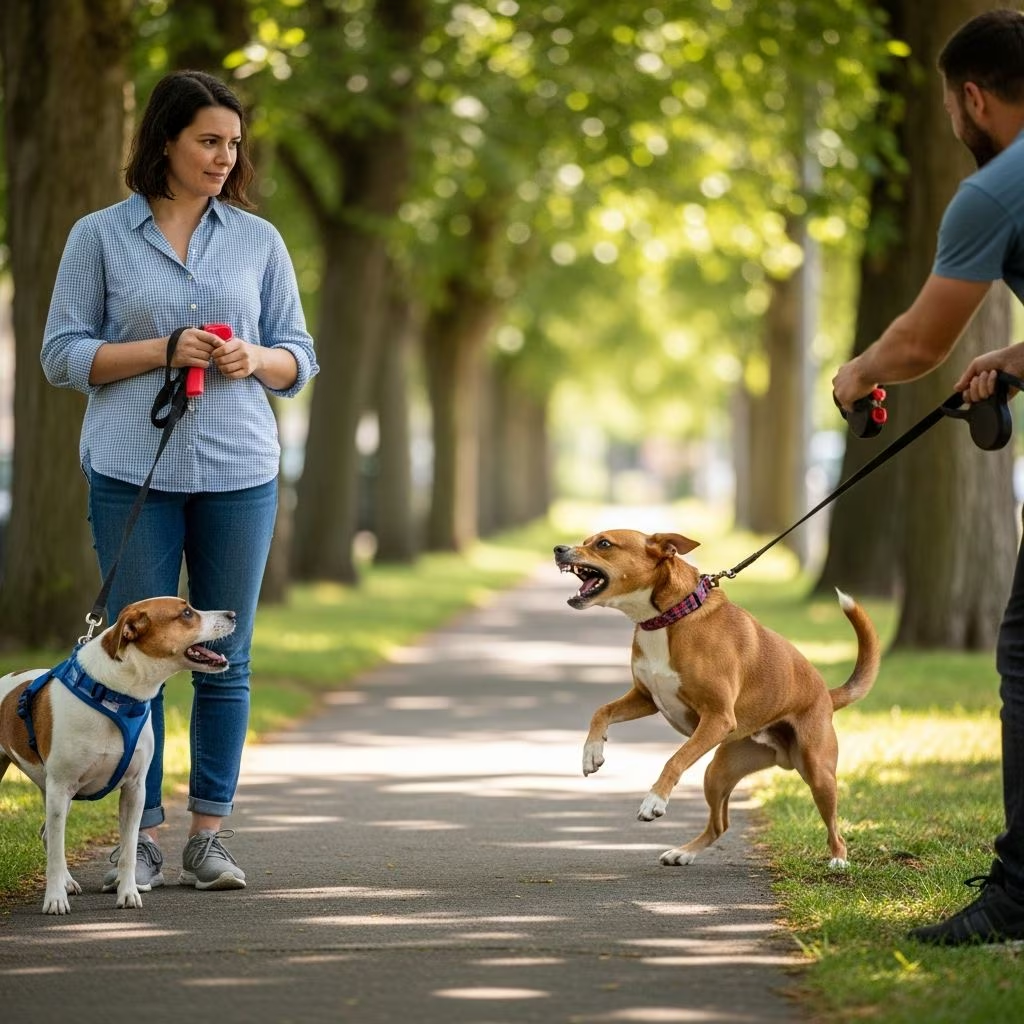
Encountering an aggressive dog during a routine walk can turn a peaceful activity into a frightening experience. Understanding canine behavior and employing smart defensive tactics empowers walkers to handle such situations effectively without escalating risks. This guide outlines practical methods grounded in animal behavior principles to maintain safety and composure.
Recognizing Signs of Aggression in Dogs
Early detection of potential threats allows for proactive responses. Dogs display clear warning signals before attacking, such as stiff posture, raised hackles, bared teeth, intense staring, and forward-leaning body language. These cues indicate heightened arousal, often triggered by territorial instincts or fear. Ears pinned back or forward aggressively, combined with growling or snarling, further signal imminent danger. Observing these from a distance provides time to implement avoidance measures.
Context matters: loose dogs in unfamiliar areas or those reacting to leashes on their own necks may exhibit leash reactivity, mistaking passersby for intruders. Familiarity with these indicators prevents surprises and promotes measured reactions over panic.
Mastering Non-Threatening Body Language
Your posture speaks volumes to a dog. Direct eye contact often provokes dogs, as they interpret it as a challenge. Instead, avert your gaze slightly while monitoring peripherally. Turn your body sideways to minimize your profile, reducing perceived threat.
- Stand tall but relaxed, avoiding hunched fear postures.
- Keep arms close to your sides, not flailing.
- Move slowly and predictably if retreating.
This approach signals non-aggression, leveraging dogs’ sensitivity to human cues. Avoid smiling broadly, as bared teeth mimic canine threats.
Why Running Triggers Chase Instincts
Fleeing activates a dog’s prey drive, transforming you into a target. Their evolutionary wiring compels pursuit of moving objects. Halt immediately upon spotting an approaching dog, planting feet firmly. Back away gradually while facing the animal, maintaining visual awareness without staring.
Practice this in low-stress scenarios to build muscle memory. Controlled retreat preserves dignity and distance, preventing escalation.
Leveraging Environmental Barriers Effectively
Natural or portable obstacles disrupt a dog’s advance. Position behind trees, benches, vehicles, or fences to create separation. If none available, extend a jacket, umbrella, or bag as an impromptu shield.
| Barrier Type | Advantages | Usage Tips |
|---|---|---|
| Natural (trees, posts) | Always accessible | Step behind quickly, keep low profile |
| Personal items (stick, umbrella) | Portable defense | Hold extended, jab only if charged |
| Vehicles or walls | Impenetrable | Circumnavigate to place between you |
These create psychological and physical hurdles, buying time for de-escalation.
High-Pitched Sounds: The Power of Whistles
Dogs possess acute hearing, making shrill noises potent deterrents. A handheld whistle emits piercing tones that startle without harm, interrupting aggressive momentum. Attach to keychains or lanyards for instant access.
- Blow in short, repeated bursts.
- Combine with backing away.
- Effective against packs by disorienting multiple animals.
Studies on auditory sensitivity confirm dogs react strongly to frequencies above human range, providing split-second distractions.
Commanding Authority with Vocal Techniques
Firm, confident voice commands tap into dogs’ pack hierarchy instincts. Project deep, steady tones using short phrases like “No!”, “Back!”, or “Stay!” without screaming. Repetition reinforces boundaries.
Commands to practice:
- Stop or No: Halts advance.
- Back or Off: Creates distance.
- Leave it: Redirects focus.
Pair with assertive stance for maximum impact. This method works best pre-contact, asserting dominance calmly.
Water Sprays: Humane and Immediate Deterrent
A portable spray bottle filled with water delivers a startling mist, mimicking rain or discomfort without injury. Aim for the face during charges to provoke retreat. Keep in pockets or packs for quick deployment.
Advantages include non-lethality and reusability. Effective in wet climates or urban settings with off-leash dogs.
Distraction Tactics Using Treats or Tossables
Throwing high-value items diverts attention. Carry small treats or pebbles, lobbing them sideways to draw the dog away. This exploits food or play drives, creating escape windows.
- Use sparingly to avoid dependency.
- Throw far and wide for packs.
- Follow with rapid retreat.
Not ideal for all scenarios but valuable supplements to primary defenses.
Strategic Route Planning for Risk Reduction
Prevention trumps reaction. Vary paths to evade known territorial dogs, scouting quiet times or alternate neighborhoods. Note problematic areas via community apps or signage.
- Walk during off-peak hours.
- Cross streets preemptively.
- Explore new trails for variety and safety.
This minimizes encounters, fostering enjoyable routines.
Preparing Your Own Dog for Safe Encounters
If walking with a pet, leash reactivity training prevents dual threats. Use counterconditioning: reward calm at trigger distances, gradually closing gaps. Techniques include U-turns upon spotting stimuli and positive reinforcement for focus on handler.
Phased progression builds tolerance:
- Distant observation with treats.
- Parallel passing at safe widths.
- Proximity sits beside paths.
Consult professionals for severe cases.
Legal and Post-Incident Considerations
Know local leash laws and self-defense rights. Document attacks with photos, witnesses, and reports to authorities. Seek medical attention promptly, as bites risk infection.
Insurance may cover incidents; report to animal control for loose dogs.
FAQs
What if a dog attacks despite precautions?
Protect vital areas (neck, face), curl into a ball if downed, and use objects to fend off. Yell for help to attract bystanders.
Are pepper sprays recommended?
Use cautiously; they affect humans too and may enrage dogs further. Check legality first.
How to report aggressive dogs?
Contact local animal control with details and evidence for investigation.
Can children use these techniques?
Supervise closely; teach basics but prioritize avoidance.
What’s the best everyday carry item?
A whistle offers simplicity, portability, and broad efficacy.
References
- How To Avoid a Dog Attack While Walking — GDH Law Firm. 2023. https://www.gdhlawfirm.com/how-to-avoid-a-dog-attack-while-walking/
- A better walk: Training dogs not to lunge, growl, and pull on a leash — dvm360. 2022-05-01. https://www.dvm360.com/view/better-walk-training-dogs-not-lunge-growl-and-pull-leash
- How to Help Dogs That Are Aggressive During Leash Walking — Today’s Veterinary Practice. 2023. https://todaysveterinarypractice.com/behavior/how-to-help-dogs-that-are-aggressive-during-leash-walking/
- 6 Tips to Avoid Dog Bites While Walking — OVRS. 2024-01-15. https://www.ovrs.com/blog/6-tips-to-avoid-dog-bites-while-walking/
- Managing a leash-reactive dog — Animal Humane Society. 2023-08-20. https://www.animalhumanesociety.org/resource/managing-leash-reactive-dog



