

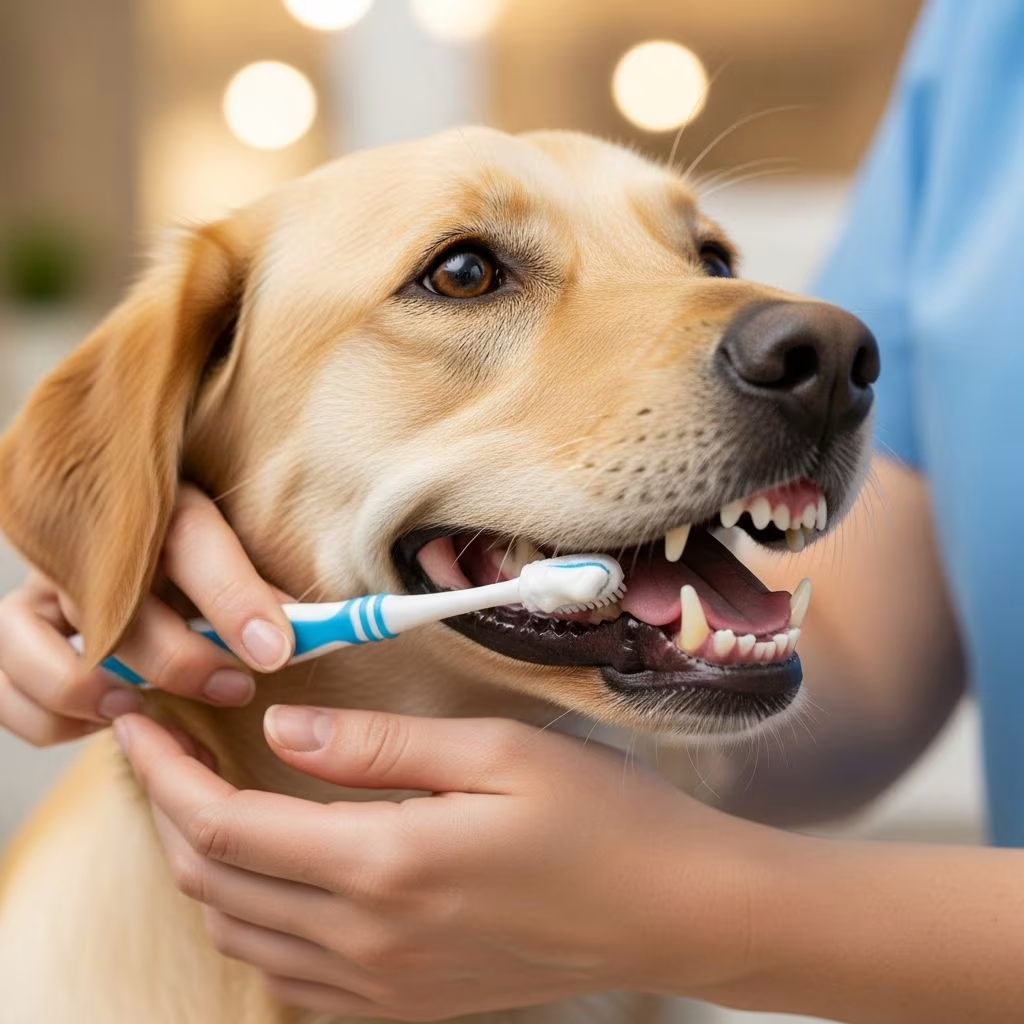
Neglecting your dog’s oral hygiene can lead to serious health issues, but beginning a simple routine now can transform their well-being. Many dogs suffer from dental problems by age three, making proactive care essential for preventing pain, tooth loss, and systemic complications.
The Hidden Dangers of Poor Canine Oral Health
Dogs rely on their teeth for eating, playing, and exploring, yet dental disease silently progresses without obvious signs. Plaque, a sticky bacterial film, forms on teeth within hours of eating and hardens into tartar if not addressed. This buildup irritates gums, leading to gingivitis and advanced periodontal disease that affects over 80% of dogs.
Bacteria from infected mouths enter the bloodstream, potentially harming the heart, kidneys, and liver through a process called bacteremia. Studies show this connection underscores why oral care supports overall vitality. Bad breath, often dismissed as normal, signals bacterial overgrowth and impending issues.
Why Every Dog Needs Routine Dental Maintenance
Regular dental attention prevents tooth loss by preserving supporting structures like gums and bone. Healthy teeth mean comfortable chewing, reducing frustration during meals. It also eliminates chronic pain from abscesses or fractures, allowing dogs to resume playful behaviors.
Beyond the mouth, clean teeth lower infection risks, potentially extending lifespan by enabling better nutrition absorption and energy levels. Professional cleanings and home efforts combined yield the best results, avoiding costly treatments later.
Signs Your Dog Requires Immediate Dental Attention
- Persistent foul breath that worsens over time
- Discolored tartar on teeth, especially near gums
- Red, swollen, or bleeding gums
- Loose or missing teeth
- Difficulty eating, drooling excessively, or pawing at the mouth
- Facial swelling or nasal discharge
These symptoms indicate advancing disease; early intervention halts progression.
Building a Foundation: At-Home Dental Routines for Beginners
Starting dental care at home prevents professional needs from becoming frequent. Focus on gradual introduction to avoid stress.
Choosing the Right Tools
Select dog-specific toothbrushes: finger brushes slip over your index finger for control, while dual-ended brushes mimic human sizes for larger breeds. Use enzymatic toothpaste flavored like poultry or peanut butter—never human varieties, which contain toxic xylitol.
| Tool Type | Best For | Pros | Cons |
|---|---|---|---|
| Finger Brush | Small dogs, beginners | Easy grip, gentle | Limited reach |
| Standard Brush | Large dogs | Thorough cleaning | Requires training |
| Gauze Wrap | Very resistant dogs | Minimal invasion | Less effective |
Step-by-Step Brushing Guide
- Gently handle the muzzle: Touch lips and gums daily for a week to build tolerance.
- Introduce flavor: Let your dog lick toothpaste from your finger.
- Apply a pea-sized amount to the brush and start with outer tooth surfaces using circular motions.
- Aim for 30 seconds per side, twice weekly; focus on back molars where plaque accumulates.
- Reward lavishly with praise or treats post-session.
Consistency trumps perfection; short sessions prevent resistance.
Supplementary Products to Enhance Cleaning
Dental chews, water additives, and toys abrade plaque mechanically. Look for Veterinary Oral Health Council (VOHC) seals verifying efficacy.
- Chews: Rawhides or nylon bones scrape tartar; supervise to prevent choking.
- Additives: Enzyme-based liquids in drinking water disrupt bacteria.
- Toys: Rubber bumpers encourage gnawing.
These complement brushing but don’t replace it.
Professional Cleanings: What to Expect
Veterinarians perform full cleanings under anesthesia for safety and thoroughness. The process includes:
- Pre-op bloodwork to assess anesthesia risks.
- Scaling to remove sub- and supra-gingival tartar.
- Polishing for smooth enamel.
- X-rays to detect hidden abscesses or fractures.
- Extractions if needed, followed by pain management.
Frequency depends on age and breed; small dogs often need annual visits. Avoid anesthesia-free options, as they merely scrape visible tartar without addressing roots, offering no therapeutic value and posing legal issues.
Breed-Specific Vulnerabilities and Tailored Strategies
Brachycephalic breeds like Pugs face crowding, promoting rapid plaque buildup. Toy breeds suffer bone loss faster. Large breeds may develop fractures from hard objects. Customize routines: softer tools for sensitive jaws, frequent checks for predisposed pups.
Overcoming Resistance: Training Tips
Many dogs resist initially; patience is key.
- Use high-value rewards like chicken bits.
- Keep sessions positive, stopping before fatigue.
- Practice during calm moments, not mealtimes.
- Enlist family for multiple handlers if needed.
Progress varies; some accept in days, others weeks.
FAQs on Canine Dental Care
Can I use human toothpaste on my dog?
No, it contains fluoride and xylitol, which are toxic to dogs. Stick to pet-formulated enzymatic pastes.
How often should I brush my dog’s teeth?
Ideally daily, but 3-4 times weekly suffices for maintenance.
Is dental disease painful for dogs?
Yes, advanced stages cause significant discomfort, often hidden until severe.
What if my dog won’t let me brush?
Start slow with alternatives like chews and consult your vet for desensitization techniques.
Do puppies need dental care?
Yes, establish habits early; baby teeth are prone to issues.
Long-Term Benefits and Monitoring
Committed care yields fresher breath, brighter teeth, and alert behavior. Schedule bi-annual vet exams for early detection. Track progress with photos of teeth monthly. Integrating dental health elevates your dog’s quality of life, fostering joyful years ahead.
References
- 5 Reasons Why Dog Dental Care Is Important — PetMD. 2023-01-15. https://www.petmd.com/news/view/5-reasons-why-dog-dental-care-important-38003
- Why Dental Hygiene is Important For Dogs — Village Veterinary Hospital. 2024-05-20. https://vvhvet.com/blog/1212790-why-dental-hygiene-is-important-for-dogs_2
- Why Dog Teeth Cleaning is Important for Your Pet’s Health — Chimacum Valley Veterinary Hospital. 2024-02-10. https://chimacumvet.com/blog/dog-teeth-cleaning/
- 5 Reasons Why Dog Dental Care Is Important — Torrance Animal Hospital. 2021-07-23. https://www.torranceanimalhospital.com/site/blog/2021/07/23/5-reasons-why-dog-dental-care-is-important
- How Pet Dental Cleanings Improve Overall Health — Grace Animal Hospital. 2024-03-05. https://www.graceanimalhospital.com/blog/how-pet-dental-cleanings-improve-overall-health
- Dog & Cat Dental Disease: Signs, Professional Cleanings — American Animal Hospital Association (AAHA). 2025-01-26. https://www.aaha.org/resources/your-pets-dental-care/



