

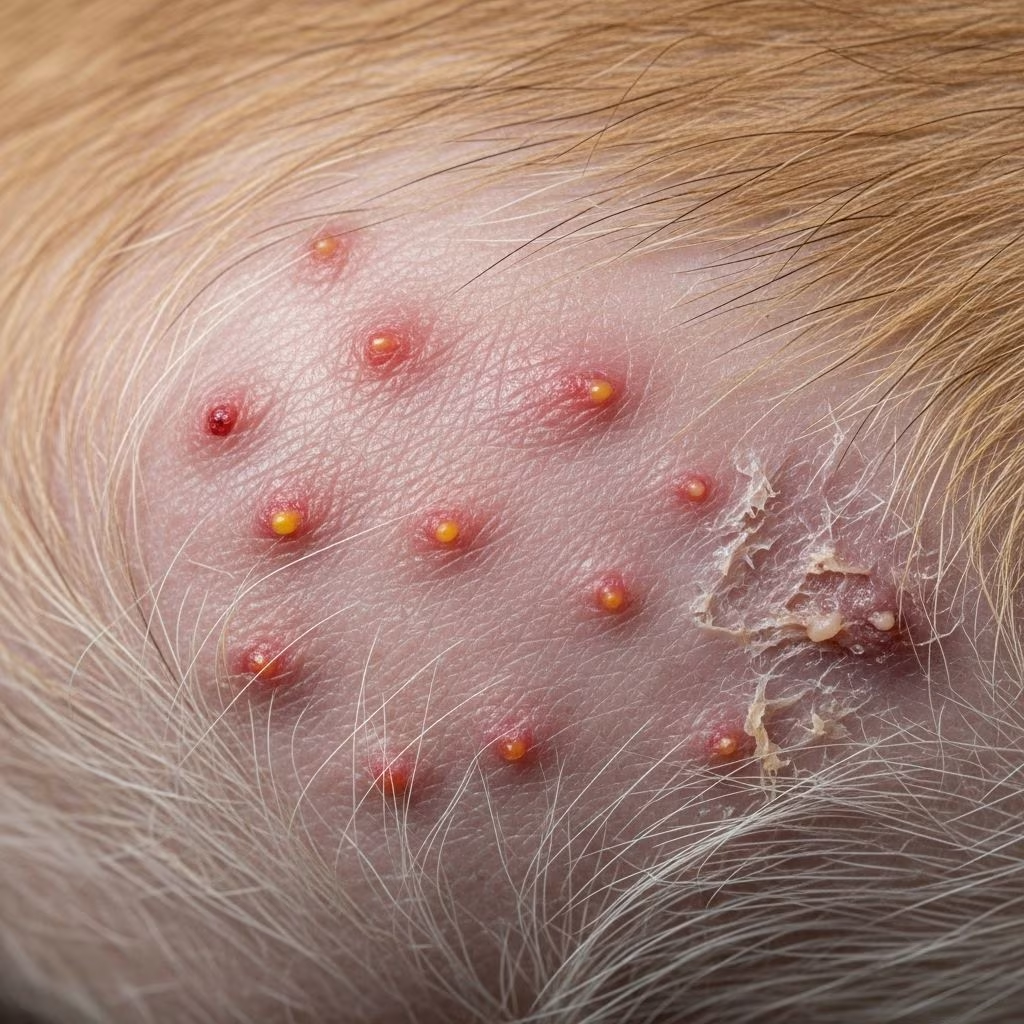
Understanding Staphylococcal Dermatitis and Hypersensitivity in Dogs
Staphylococcal dermatitis is one of the most common skin conditions affecting dogs today. This condition occurs when bacteria, particularly Staphylococcus intermedius, colonize and infect the skin, often triggered by an underlying hypersensitivity or allergic reaction. Understanding the relationship between these two conditions is essential for pet owners seeking to manage their dog’s skin health effectively.
Hypersensitivity in dogs refers to an exaggerated immune response to certain substances that most dogs can tolerate without issue. When a dog’s immune system overreacts to allergens or irritants, it damages the skin’s protective barrier, making it susceptible to secondary bacterial infections like staphylococcal dermatitis. This combination of conditions can lead to significant discomfort and requires a comprehensive treatment approach.
What is Staphylococcal Dermatitis?
Staphylococcal dermatitis is a bacterial skin infection caused primarily by Staphylococcus intermedius, a gram-positive bacterium commonly found on canine skin. While this bacterium naturally exists on healthy dogs’ skin, it becomes problematic when the skin’s integrity is compromised by allergies, parasites, or other underlying conditions.
This secondary infection typically develops when the skin barrier is weakened, allowing bacteria to proliferate unchecked. The condition is rarely a primary problem; instead, it almost always develops as a consequence of an underlying hypersensitivity or allergic reaction that has made the skin more vulnerable to bacterial colonization.
Understanding Canine Hypersensitivity
Hypersensitivity in dogs encompasses allergic reactions to various environmental, dietary, or parasitic allergens. There are several types of hypersensitivity that can predispose dogs to staphylococcal dermatitis:
Types of Canine Hypersensitivity
Atopic Dermatitis (Environmental Allergies): Dogs with atopy react to environmental allergens such as pollen, mold spores, and dust mites. This condition often develops seasonally but can persist year-round in susceptible individuals.
Food Allergies: Some dogs develop hypersensitivity reactions to specific food ingredients, most commonly protein sources like beef, chicken, or dairy products. Food allergies can cause chronic skin issues that persist regardless of the season.
Flea Allergy Dermatitis (FAD): Even a single flea bite can trigger an intense allergic reaction in sensitive dogs, leading to severe itching and subsequent skin damage that invites bacterial infection.
Contact Dermatitis: Dogs may develop reactions to direct contact with irritating substances, including certain cleaning products, pesticides, or plant materials.
Clinical Signs and Symptoms
Dogs with staphylococcal dermatitis and underlying hypersensitivity typically exhibit a range of clinical signs that owners should recognize:
Primary Symptoms
Itching and Scratching: Intense pruritus is the most obvious sign. Dogs may scratch, bite, or lick affected areas excessively, sometimes causing additional trauma to the skin.
Skin Lesions: Affected areas may develop pustules, crusts, or scabs. The skin may appear red, inflamed, and irritated. In some cases, hair loss (alopecia) occurs in patches where the dog has been licking or scratching.
Odor: Secondary bacterial infections often produce a distinctive unpleasant odor on the dog’s skin or coat.
Skin Thickening: Chronic conditions may lead to hyperpigmentation and lichenification (thickening) of the skin, particularly in areas of repeated trauma.
Seborrhea: Affected dogs may develop greasy or flaky skin, indicating disruption of the skin’s normal oil production.
Behavioral Changes
Dogs experiencing significant discomfort from these skin conditions often exhibit behavioral changes including restlessness, difficulty sleeping, and signs of anxiety or stress related to their itching and discomfort.
Underlying Causes and Risk Factors
Understanding the root causes of staphylococcal dermatitis is crucial for effective long-term management. In most cases, this condition doesn’t develop in isolation but results from one or more underlying factors:
Primary Predisposing Factors
Genetic Predisposition: Certain dog breeds, including Golden Retrievers, Labrador Retrievers, German Shepherds, and Bulldogs, show higher susceptibility to atopic dermatitis and related conditions.
Immune System Dysfunction: Dogs with compromised or overactive immune systems struggle to maintain healthy skin barriers and control bacterial populations.
Environmental Allergens: Exposure to pollen, mold spores, dust mites, and other environmental irritants can trigger hypersensitivity reactions that damage the skin.
Dietary Factors: Allergic reactions to food ingredients can cause systemic inflammation affecting skin health.
Parasitic Infections: Fleas, lice, and mites can trigger hypersensitivity reactions that compromise skin integrity.
Hygiene and Environmental Factors: Poor grooming practices, excessive bathing, or exposure to harsh chemicals can damage the skin barrier.
Diagnostic Approaches
Accurate diagnosis is essential for implementing effective treatment strategies. Veterinarians employ several diagnostic methods to identify staphylococcal dermatitis and its underlying causes:
Physical Examination
A thorough physical examination allows veterinarians to assess the distribution and severity of skin lesions, identify secondary infections, and note any systemic signs of illness.
Cytology and Culture
Skin scrapings, swabs, or impression smears can be examined microscopically to identify bacterial or yeast organisms. Bacterial cultures may be performed to confirm Staphylococcus species identification and determine antibiotic sensitivity.
Allergy Testing
Intradermal allergy testing or serologic (blood) allergy testing can help identify specific environmental or food allergens triggering hypersensitivity reactions. These tests guide immunotherapy decisions.
Elimination Diet
When food allergies are suspected, an elimination diet is considered the gold standard for diagnosis. This involves feeding a restricted diet with novel protein and carbohydrate sources for 8-12 weeks, then systematically reintroducing ingredients to identify problematic components.
Imaging Studies
In some cases, veterinarians may recommend imaging to rule out other underlying conditions contributing to skin problems.
Comprehensive Treatment Strategies
Effective management of staphylococcal dermatitis and hypersensitivity requires a multi-faceted approach addressing both the bacterial infection and the underlying allergic condition:
Antibiotic Therapy
Oral Antibiotics: Systemic antibiotic therapy is typically the first-line treatment for bacterial infections. Based on culture and sensitivity results, veterinarians select appropriate antibiotics such as cephalosporins, fluoroquinolones, or other agents. Treatment duration usually spans 4-6 weeks or longer, depending on severity and response to therapy.
Topical Antibiotics: Antibiotic ointments and solutions can provide localized treatment for affected skin areas and may reduce systemic antibiotic requirements.
Medicated Bathing Programs
Regular bathing with medicated shampoos is a cornerstone of treatment. Medicated baths with shampoos containing antimicrobial and antifungal agents help soothe injured skin, reduce inflammation, remove allergens, and manage secondary infections. Veterinarians typically recommend bathing frequency based on the severity of the condition, often starting with weekly baths and adjusting as symptoms improve. Using gentle, hypoallergenic shampoos prevents further skin irritation.
Anti-Inflammatory Medications
Corticosteroids: Short-acting corticosteroids may be prescribed to quickly reduce inflammation and provide relief from severe itching. However, these should be used judiciously and for limited durations due to potential side effects with long-term use, including increased urination, increased thirst and appetite, and behavioral changes.
Apoquel and Cytopoint: Newer medications like Apoquel work quickly to reduce itching and inflammation, while Cytopoint is administered as a monthly injection targeting specific immune pathways. Both offer more sustainable long-term management options compared to corticosteroids.
Antihistamine Therapy
Oral antihistamines such as Zyrtec can help control hypersensitivity symptoms in mild cases. While not uniformly effective across all dogs, they present an affordable option with minimal side effects when they do work.
Immunotherapy (Desensitization)
Allergy shots or immunotherapy involves gradually exposing the dog to increasing amounts of identified allergens to build tolerance. Specialized injections are manufactured based on allergy testing results and administered regularly according to the individual dog’s needs. While highly successful, this method typically requires 6-12 months before visible improvement occurs.
Dietary Management
For dogs with food allergies, implementing a hypoallergenic diet can eliminate or significantly reduce allergic reactions. Prescription diets using novel protein and carbohydrate sources, or hydrolyzed protein diets, help identify and manage food-related hypersensitivity.
Nutritional Supplementation
Omega-3 fatty acid supplements help improve skin health and reduce inflammatory responses in allergic dogs. These supplements support overall skin barrier function and can enhance the effectiveness of other treatments.
Environmental Management
For dogs with environmental allergies, reducing exposure to identified allergens helps minimize hypersensitivity reactions. This may include air purification, regular cleaning, and limiting outdoor exposure during high pollen seasons.
Flea Prevention
Rigorous flea prevention is essential, particularly for dogs with flea allergy dermatitis. Regular use of veterinary-recommended flea prevention products prevents the triggering allergen and secondary bacterial infections.
Alternative and Complementary Therapies
Acupuncture: Veterinary acupuncture therapy can complement conventional treatments by promoting blood flow and circulation along meridians where blood vessels converge with nerves, potentially supporting the nervous system and reducing symptoms.
Treatment Comparison Table
| Treatment Option | Onset of Action | Duration | Cost Consideration | Best For |
|---|---|---|---|---|
| Oral Antibiotics | 3-7 days | 4-6+ weeks | Moderate | Active bacterial infections |
| Medicated Shampoos | Immediate | Ongoing | Low-Moderate | Skin soothing and allergen removal |
| Corticosteroids | Hours to 1 day | Short-term only | Low | Acute severe itching |
| Apoquel | 12-24 hours | Long-term | Moderate-High | Quick, sustained itch relief |
| Cytopoint | 24-48 hours | Monthly | High | Long-term immune-targeted management |
| Immunotherapy | 6-12 months | Years | High | Permanent tolerance building |
| Antihistamines | 1-2 hours | Long-term | Low | Mild allergic symptoms |
| Hypoallergenic Diet | 4-12 weeks | Ongoing | Moderate | Food allergy management |
Long-Term Management and Prevention
Successful long-term management requires ongoing commitment and collaboration with a veterinarian. Regular monitoring allows early detection of recurrent infections, and adjustments to treatment protocols can be made based on the dog’s response. Maintaining a consistent grooming routine, managing environmental exposures, ensuring proper flea prevention, and addressing dietary factors all contribute to improved outcomes.
Frequently Asked Questions
Q: Can staphylococcal dermatitis be completely cured?
A: While the bacterial infection can be resolved with appropriate antibiotic therapy, the underlying hypersensitivity often remains. Long-term management focuses on controlling the allergic reaction to prevent recurrent infections.
Q: Is staphylococcal dermatitis contagious to other pets or humans?
A: Staphylococcus intermedius is a normal part of canine skin flora and is not typically contagious to other dogs or humans. Good hygiene practices should still be maintained.
Q: How long does antibiotic treatment typically take?
A: Most cases require 4-6 weeks of oral antibiotic therapy, though severe infections may require longer treatment courses. Always complete the full prescribed course as directed by your veterinarian.
Q: Can diet changes help with staphylococcal dermatitis?
A: If food allergies are contributing to the hypersensitivity, switching to a hypoallergenic or prescription diet can significantly improve skin health and reduce bacterial infection risk.
Q: What is the success rate of immunotherapy for managing these conditions?
A: Many dogs respond remarkably well to immunotherapy, with success rates varying based on the allergens involved and individual immune system responses. Results typically become apparent after 6-12 months of treatment.
Q: Should I bathe my dog more frequently if they have staphylococcal dermatitis?
A: Yes, medicated baths are beneficial, but frequency should be determined by your veterinarian based on your dog’s specific condition. Weekly baths are common, but over-bathing can dry out the skin.
Q: Are there any natural remedies for managing these skin conditions?
A: While supplements like omega-3 fatty acids can support skin health, they should complement, not replace, prescribed medical treatments. Always consult your veterinarian before introducing new supplements.
References
- Understanding Skin Allergies in Dogs: Symptoms, Causes, and Treatment — City Pets 614. 2024. https://citypets614.com/understanding-skin-allergies-in-dogs-symptoms-causes-and-treatment/
- Effective Treatments for Dog Allergies and Skin Relief: Vet Recommended Solutions — Premier Vet. 2025-02-09. https://premiervet.org/2025/02/09/effective-treatments-for-dog-allergies-and-skin-relief-vet-recommended-solutions/
- Identifying and Managing Dog Skin Allergies — Broomfield Veterinary Hospital. 2024. https://broomfieldvet.com/blog/dog-skin-allergies/
- Effective Treatments for Dogs with Allergic Dermatitis — Berkeley Dog and Cat. 2022-11-15. https://www.berkeleydogandcat.com/site/blog/2022/11/15/allergic-dermatitis-dog-treatment
- How to Help a Dog With Allergic Dermatitis — Crestview Animal Hospital. 2024-04-15. https://www.crestviewah.com/site/blog/2024/04/15/help-dog-alleric-dermatitis
- Dog Skin Allergies: Canine Atopic Dermatitis — Small Door Veterinary. 2024. https://www.smalldoorvet.com/learning-center/medical/atopic-dermatitis-in-dogs



