

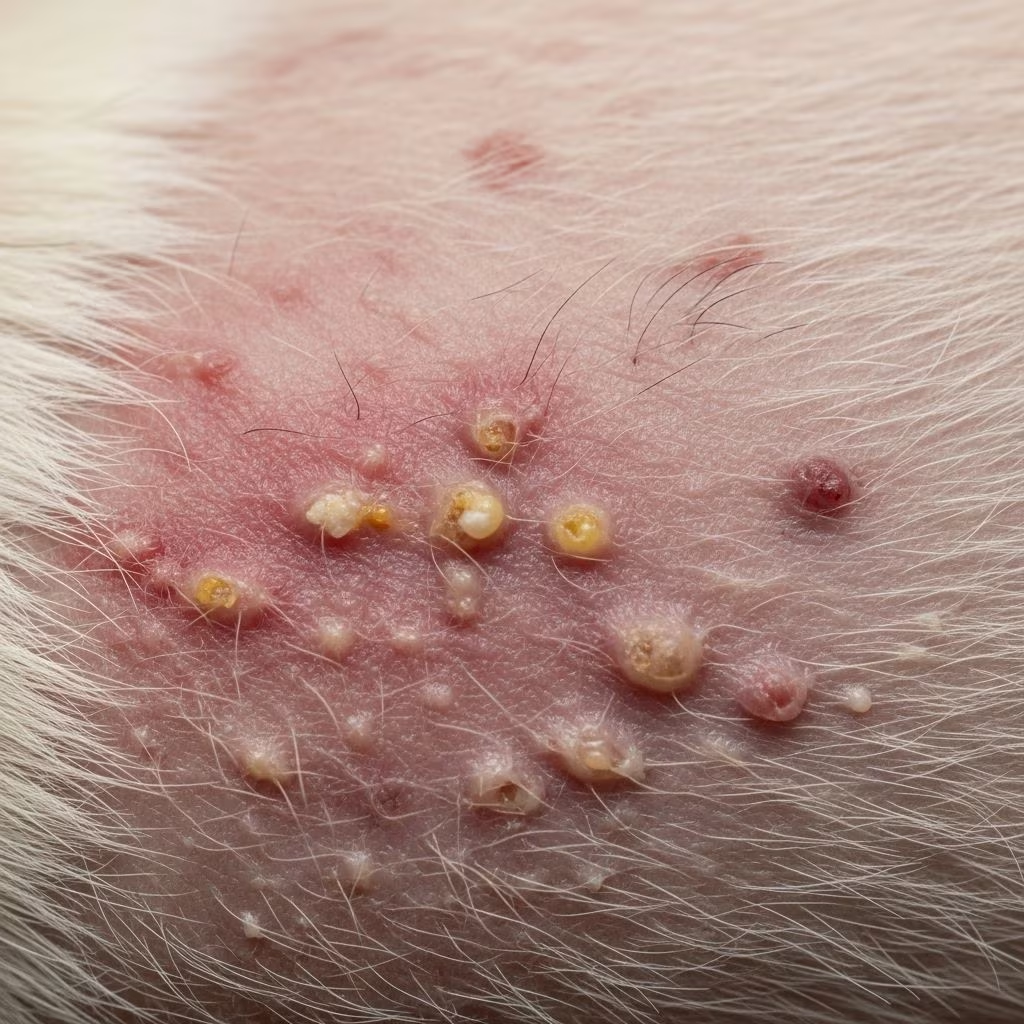
Staphylococcal Dermatitis and Hypersensitivity in Dogs: A Comprehensive Guide
Staphylococcal dermatitis and hypersensitivity-related skin conditions represent some of the most common dermatological issues affecting dogs today. These conditions can significantly impact a dog’s quality of life, causing discomfort, pain, and behavioral changes. Understanding the underlying causes, recognizing symptoms early, and implementing appropriate treatment strategies are essential for dog owners and veterinarians alike. This comprehensive guide explores the complexities of staphylococcal dermatitis and hypersensitivity reactions in canines, providing valuable insights into management and prevention.
Understanding Staphylococcal Dermatitis
Staphylococcal dermatitis is a bacterial skin infection caused primarily by Staphylococcus pseudintermedius and Staphylococcus aureus. These bacteria are naturally present on a dog’s skin but can proliferate excessively under certain conditions, leading to infection. The condition often develops as a secondary infection when the skin’s natural barrier has been compromised. Unlike primary staphylococcal infections, which are rare, secondary infections are the result of underlying conditions that weaken the skin’s defense mechanisms.
The bacteria colonize hair follicles and the skin surface, causing inflammation, irritation, and characteristic skin lesions. Staphylococcal dermatitis can manifest in various forms, including surface pyoderma, folliculitis, and furunculosis. The severity and presentation depend on the depth of bacterial penetration and the dog’s immune response.
What is Hypersensitivity in Dogs?
Hypersensitivity in dogs refers to an exaggerated immune response to allergens or irritants that would not typically cause reactions in most animals. This condition involves the dog’s immune system overreacting to harmless substances, treating them as threats and mounting an inflammatory response. Hypersensitivity can manifest as allergic dermatitis, where the skin becomes the primary target organ of the allergic reaction.
Dogs suffering from hypersensitivity often experience intense itching, skin irritation, redness, and secondary infections. The condition can be triggered by various factors, including environmental allergens, food components, parasites, and even contact allergens. Hypersensitivity reactions range from mild to severe and can significantly affect a dog’s daily comfort and behavior.
Common Causes and Predisposing Factors
Staphylococcal dermatitis and hypersensitivity typically develop due to multiple predisposing factors working in combination. Understanding these causes helps in prevention and effective management.
Primary Causes of Staphylococcal Dermatitis
The development of staphylococcal dermatitis usually requires an underlying condition that compromises skin health. Common predisposing factors include:
- Allergic dermatitis: Allergies compromise the skin barrier, allowing bacterial overgrowth
- Parasitic infections: Flea allergy dermatitis and mange can damage the skin, facilitating bacterial colonization
- Poor skin hygiene: Inadequate grooming and bathing create an environment conducive to bacterial growth
- Immune system dysfunction: Conditions affecting immune function increase susceptibility to infections
- Skin trauma: Excessive scratching, wounds, or surgical incisions provide entry points for bacteria
- Moisture and humidity: Warm, moist environments promote bacterial proliferation
- Age-related factors: Puppies and senior dogs may have compromised immune function
Triggers for Hypersensitivity Reactions
Hypersensitivity in dogs can be triggered by numerous environmental, dietary, and contact-related factors. The most common hypersensitivity triggers include:
- Environmental allergens: Pollen, dust mites, mold spores, and pet dander
- Food allergens: Common culprits include beef, chicken, dairy, wheat, and soy
- Flea bite hypersensitivity: Even a single flea bite can trigger intense reactions in sensitive dogs
- Contact allergens: Certain shampoos, grooming products, and household chemicals
- Yeast overgrowth: Malassezia dermatitis resulting from yeast proliferation
- Seasonal patterns: Many dogs experience heightened symptoms during specific seasons
Recognizing Symptoms and Clinical Signs
Early recognition of symptoms is crucial for timely intervention and prevention of secondary complications. Staphylococcal dermatitis and hypersensitivity present with overlapping clinical signs.
Skin-Related Symptoms
Dogs with staphylococcal dermatitis and hypersensitivity typically exhibit:
- Intense itching and scratching, often in localized areas or widespread on the body
- Red, inflamed skin (erythema)
- Pustules, papules, and scabs on the skin surface
- Hair loss (alopecia) from excessive scratching
- Dry, flaky skin or scaling
- Crusting and scabbing over affected areas
- Unpleasant skin odor resulting from bacterial overgrowth
- Hyperpigmentation in chronic cases
- Lichenification (thickened, hardened skin)
Behavioral and Systemic Symptoms
Beyond skin manifestations, affected dogs often display behavioral changes and systemic symptoms including excessive licking and chewing, restlessness and sleep disturbance, anxiety and stress, and potential ear infections or otitis externa. Some dogs may also develop secondary yeast infections causing additional discomfort and odor.
Diagnosis and Testing
Accurate diagnosis is essential for effective treatment. Veterinarians employ multiple diagnostic tools to identify staphylococcal dermatitis and hypersensitivity.
Physical Examination
A thorough physical examination is the first step in diagnosis. The veterinarian examines the skin for lesions, inflammation, hair loss patterns, and other abnormalities. They assess the distribution of symptoms, which often provides clues about the underlying cause.
Cytology and Culture
Skin cytology involves collecting samples from affected areas using impression smears, swabs, or tape strips. Microscopic examination reveals the presence of bacteria, yeast, or inflammatory cells. Bacterial culture and sensitivity testing identify the specific bacterial species and determine appropriate antibiotic treatment.
Allergy Testing
For dogs suspected of hypersensitivity, intradermal allergy testing (IDT) or serum allergy testing may be recommended. These tests identify specific allergens triggering reactions, guiding immunotherapy and environmental management strategies.
Elimination Diet Trials
When food allergies are suspected, elimination diets involving novel protein and carbohydrate sources are conducted over 8-12 weeks. This method helps identify problematic food ingredients.
Treatment Options for Staphylococcal Dermatitis
Effective management of staphylococcal dermatitis requires a multi-faceted approach addressing both the infection and underlying predisposing factors.
Antibiotic Therapy
Systemic antibiotics are the cornerstone of staphylococcal dermatitis treatment. Selection depends on culture and sensitivity results but commonly includes amoxicillin-clavulanate, cephalexin, or fluoroquinolones. Treatment typically continues for 3-4 weeks or longer until all clinical signs resolve and for 1-2 weeks after improvement is noted.
Topical Treatments
Medicated baths and topical ointments provide complementary benefits to systemic therapy. Medicated shampoos containing antimicrobial and antifungal agents help soothe injured skin, reduce inflammation, and remove allergens and bacterial debris. Regular bathing with hypoallergenic shampoos can improve skin health and facilitate recovery.
Managing Underlying Conditions
Addressing predisposing factors is critical for preventing recurrence. This includes implementing rigorous flea control, treating parasitic infections, managing allergies, and improving overall skin hygiene and health.
Treatment Approaches for Hypersensitivity
Managing hypersensitivity requires identifying and eliminating or minimizing exposure to triggering allergens while providing symptomatic relief.
Allergen Avoidance
Once allergens are identified, minimizing exposure becomes paramount. For environmental allergies, this may involve air filtration, reducing outdoor time during high pollen seasons, and frequent bathing. For food allergies, strict dietary management eliminates problematic ingredients.
Antihistamine Therapy
Oral antihistamines such as cetirizine (Zyrtec) or hydroxyzine can help control mild to moderate hypersensitivity symptoms. While not universally effective, antihistamines offer an affordable option with minimal side effects when successful.
Anti-Inflammatory Medications
For more severe symptoms, prescription medications provide faster relief. Apoquel (oclacitinib) quickly targets itchiness and inflammation, while Cytopoint (lokivetmab), administered as monthly injections, targets immune pathways responsible for allergic reactions. Corticosteroids should be reserved for short-term use during acute flare-ups due to potential long-term side effects.
Immunotherapy (Desensitization)
Allergen-specific immunotherapy involves gradually exposing the dog to increasing amounts of identified allergens through injections or oral drops. This treatment builds immune tolerance over time, often resulting in significant symptom reduction. While highly successful for many dogs, immunotherapy typically requires 6-12 months for noticeable improvement.
Dietary Management and Supplements
Omega-3 fatty acid supplements support skin health and reduce inflammatory responses. Hypoallergenic or limited-ingredient diets can manage food-related hypersensitivity. Novel protein and carbohydrate sources often prove beneficial in food-sensitive dogs.
Additional Treatment Modalities
Beyond conventional treatments, several complementary approaches can enhance management of both conditions.
Acupuncture Therapy
Veterinary acupuncture involves placing thin needles at specific meridian points where blood vessels and nerves converge. This traditional Chinese medicine technique promotes blood flow, supports the nervous system, and can effectively reduce allergic symptoms and inflammatory responses in some dogs.
Grooming and Skin Care
Regular bathing with gentle, hypoallergenic shampoos removes allergens and supports skin barrier function. Brushing stimulates blood circulation and may reduce inflammation. Proper drying after bathing prevents moisture-related complications.
Comparison of Treatment Options
| Treatment | Best For | Onset | Duration | Cost |
|---|---|---|---|---|
| Antibiotics | Bacterial infections | 3-5 days | 3-4+ weeks | Low to moderate |
| Antihistamines | Mild hypersensitivity | 1-2 hours | Daily dosing | Low |
| Apoquel | Moderate to severe itching | Hours | Daily dosing | Moderate |
| Cytopoint | Chronic allergies | 24-48 hours | Monthly injection | High |
| Immunotherapy | Chronic environmental allergies | 6-12 months | Long-term | Moderate |
| Medicated shampoos | Skin relief and hygiene | Immediate | Per bath | Low to moderate |
Prevention Strategies
Preventing staphylococcal dermatitis and hypersensitivity involves proactive measures to maintain skin health and minimize risk factors. Maintain strict flea and tick prevention year-round, as parasites are common triggers. Implement regular grooming and bathing schedules with appropriate products. Manage allergies promptly before secondary infections develop. Maintain proper weight and overall health, as obesity can compromise immune function. Provide balanced nutrition rich in omega-3 fatty acids. Minimize environmental stressors and maintain a clean living environment. Schedule regular veterinary check-ups for early detection of emerging issues.
When to Seek Veterinary Care
Contact your veterinarian immediately if your dog shows signs of severe skin infection, spreading lesions, signs of systemic infection such as fever or lethargy, or if home treatments fail to improve symptoms within one week. Additionally, seek professional guidance for chronic or recurrent skin problems, as these may indicate underlying conditions requiring specialized management.
Frequently Asked Questions
Q: Can staphylococcal dermatitis in dogs be contagious to humans?
A: While Staphylococcus bacteria can occasionally cause issues in immunocompromised individuals, transmission from dogs to humans is rare. Standard hygiene practices, such as hand washing after handling affected dogs, provide adequate protection.
Q: How long does it take to see improvement with immunotherapy treatment?
A: Immunotherapy typically requires 6-12 months of consistent treatment before noticeable improvement occurs. However, some dogs show initial response within 6-9 months. Patience and consistency are essential for this treatment approach.
Q: Can diet alone cure food-related hypersensitivity in dogs?
A: Dietary management can significantly reduce symptoms caused by food allergies, but it requires strict adherence to the prescribed diet. An elimination diet trial lasting 8-12 weeks helps identify problematic ingredients and guide long-term dietary choices.
Q: Is it safe to use over-the-counter antihistamines for dogs?
A: Many over-the-counter antihistamines are safe for dogs, but dosing must be accurate and based on your dog’s weight. Always consult with your veterinarian before administering any medication to ensure safety and appropriate dosing for your specific pet.
Q: What is the difference between Apoquel and Cytopoint?
A: Apoquel is an oral medication taken daily that quickly reduces itching and inflammation, making it ideal for immediate relief. Cytopoint is a monthly injection that targets specific immune pathways, providing longer-lasting relief. Cytopoint may be preferred for chronic management, while Apoquel suits acute symptom flare-ups.
Q: Can staphylococcal dermatitis recur after successful treatment?
A: Yes, recurrence is possible if predisposing factors persist or underlying conditions remain unmanaged. Addressing root causes—such as allergies, parasites, or poor hygiene—significantly reduces recurrence risk.
Q: Are there any natural remedies for treating dog skin allergies?
A: While supplements like omega-3 fatty acids support skin health, most natural remedies lack strong scientific evidence. Always discuss any complementary treatments with your veterinarian before use to ensure they don’t interfere with primary treatments.
References
- Effective Treatments for Dog Allergies and Skin Relief: Vet-Recommended Solutions — Premier Veterinary Medical Services. February 9, 2025. https://premiervet.org/2025/02/09/effective-treatments-for-dog-allergies-and-skin-relief-vet-recommended-solutions/
- Understanding Skin Allergies in Dogs: Symptoms, Causes, and Treatment — City Pets. Accessed November 28, 2025. https://citypets614.com/understanding-skin-allergies-in-dogs-symptoms-causes-and-treatment/
- Identifying and Managing Dog Skin Allergies — Broomfield Veterinary Hospital. Accessed November 28, 2025. https://broomfieldvet.com/blog/dog-skin-allergies/
- Effective Treatments for Dogs with Allergic Dermatitis — Berkeley Dog and Cat. November 15, 2022. https://www.berkeleydogandcat.com/site/blog/2022/11/15/allergic-dermatitis-dog-treatment
- Dog Skin Allergies & Allergic Dermatitis: Symptoms & Treatment — Purina. Accessed November 28, 2025. https://www.purina.com/articles/dog/health/skin-fur-ears/dog-skin-allergies-dermatitis
- Dog Skin Allergies: Canine Atopic Dermatitis — Small Door Veterinary. Accessed November 28, 2025. https://www.smalldoorvet.com/learning-center/medical/atopic-dermatitis-in-dogs
- Atopic Dermatitis (Atopy) — Cornell University College of Veterinary Medicine, Riney Canine Health Center. Accessed November 28, 2025. https://www.vet.cornell.edu/departments-centers-and-institutes/riney-canine-health-center/canine-health-topics/atopic-dermatitis-atopy



