

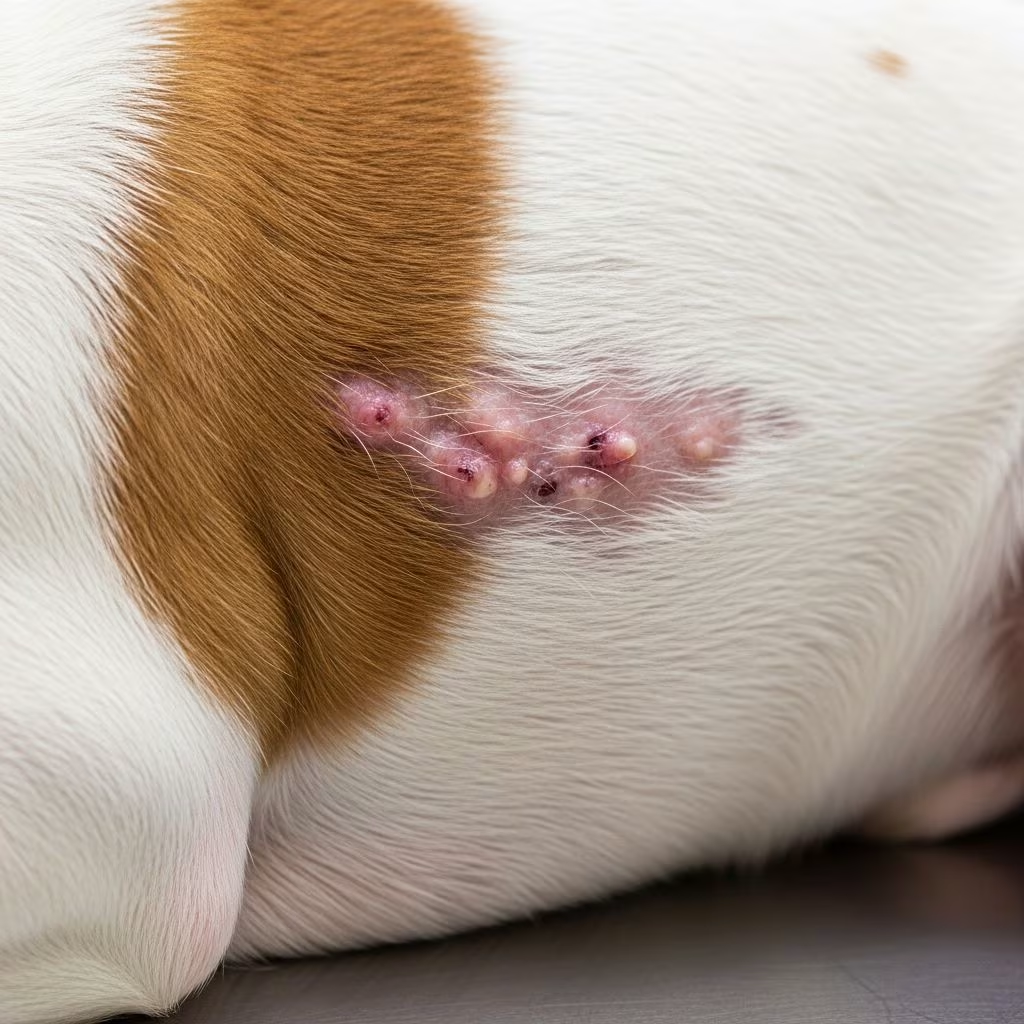
Staphylococcus bacteria, commonly known as staph, represent one of the most frequent culprits behind bacterial skin issues in dogs. These infections often arise when the skin’s natural defenses are compromised, allowing opportunistic bacteria to proliferate. While many dogs carry staph harmlessly on their skin, certain triggers can lead to painful and persistent infections that require prompt veterinary care.
Understanding the Bacterial Culprit
Staph infections primarily stem from Staphylococcus pseudintermedius, a species well-adapted to canine hosts, though human-associated strains like S. aureus can occasionally cross over. These gram-positive bacteria thrive in warm, moist environments, exploiting breaks in the skin barrier such as cuts, insect bites, or chronic allergies. Unlike viral or fungal issues, staph responds to antibacterial therapies, but resistance is a growing concern, emphasizing the need for targeted treatment.
Dogs with underlying conditions like atopic dermatitis, hypothyroidism, or flea infestations face higher risks, as these impair the skin’s protective layer. Zoonotic potential exists, meaning infections can transfer between pets and owners, particularly in multi-dog homes or with immunocompromised individuals. Early recognition prevents escalation from superficial irritation to deep, systemic problems.
Common Manifestations on Canine Skin
Skin infections manifest differently based on depth and location. Superficial cases often present as mild redness, scaling, and small pustules resembling pimples, frequently in high-moisture areas like armpits or groin. Affected dogs may show patchy hair loss, dry flaking, or excessive greasiness, with varying degrees of discomfort.
- Redness and inflammation: Skin appears warm, swollen, and tender to touch.
- Itching and self-trauma: Dogs chew, lick, or scratch relentlessly, worsening lesions.
- Pus-filled bumps: Small, fluid-filled papules that may rupture, leading to crusting.
Deeper pyoderma involves more severe signs: oozing wounds, foul odors, and hot spots—acute, moist dermatitis patches that spread rapidly if untreated. Systemic involvement might include eye discharge, ear inflammation, or respiratory symptoms like coughing. A checklist for owners includes monitoring for pain upon palpation, lethargy, or fever, which signal urgency.
Diagnostic Approaches by Veterinarians
Veterinarians start with a thorough history and physical exam, noting lesion distribution and chronicity. Cytology via skin scrapings or tape preps reveals bacteria-laden neutrophils, confirming bacterial overgrowth. For recurrent cases, bacterial culture and sensitivity testing identifies the exact strain and effective antibiotics, crucial amid rising methicillin-resistant staph (MRSP).
Blood work, urinalysis, or biopsies rule out allergies, hormonal imbalances, or immune disorders. Imaging or endoscopy may probe internal spread in severe scenarios. Accurate diagnosis guides therapy, avoiding unnecessary broad-spectrum drugs that foster resistance.
Treatment Strategies: From Home Care to Advanced Therapy
Treatment tiers from topical to systemic based on severity. Mild superficial infections often resolve with diligent home management before escalating to prescriptions.
Topical Interventions
Antimicrobial shampoos containing 2-4% chlorhexidine are first-line, applied 2-3 times weekly to reduce bacterial load and remove debris. Leave on for 10 minutes before rinsing for optimal effect. Wipes, sprays, or mousses suit dogs averse to baths, especially those with dry skin. Prescription mupirocin ointment targets localized pustules effectively.
Oral Antibiotics and Duration
Non-responsive cases demand oral antibiotics like cephalexin, clindamycin, or cefpodoxime for 3-6 weeks minimum, extending to 12 weeks for deep infections. Completing the course prevents relapse and resistance; follow-up cultures verify clearance. Anti-inflammatories or pain relievers alleviate concurrent discomfort.
| Treatment Type | Examples | Duration/Frequency | Best For |
|---|---|---|---|
| Shampoos | Chlorhexidine 4% | 2-3x/week | Superficial, widespread |
| Ointments | Mupirocin | Daily topical | Localized lesions |
| Oral Antibiotics | Cephalexin, Clindamycin | 3-12 weeks | Deep or recurrent |
| Supportive | Anti-itch meds | As needed | Symptom relief |
Preventing Recurrence in Prone Dogs
Recurrent staph demands addressing root causes. Allergy management via hypoallergenic diets, flea control, and environmental hypoallergenics reduces flare triggers. Ongoing hygiene—weekly medicated baths—maintains skin health post-resolution. Immunotherapy, such as staphylococcal bacterin injections, retrains overreactive immune responses in chronic cases, administered progressively over months or years.
Avoid antibiotic pulse therapy, as it promotes resistance without controlling inflammation. Regular vet check-ups monitor for carriers, especially in breeding or boarding settings.
Zoonotic Risks and Handling Precautions
Staph’s transmissibility necessitates hygiene: wash hands post-handling, launder bedding frequently, and isolate infected dogs. Immunocompromised owners should minimize contact or wear gloves. While rare, human MRSA from pets underscores bidirectional caution.
When to Seek Emergency Care
Rapidly worsening signs—fever, anorexia, multiple draining tracts, or sepsis indicators like collapse—warrant immediate ER visits. Clean areas gently, use e-collars to deter licking, and withhold OTC remedies until professional advice.
Frequently Asked Questions (FAQs)
Can staph infections heal without antibiotics?
Mild cases may respond to topicals alone, promoting antibiotic stewardship, but vet oversight is essential.
How long do treatments take?
Superficial: 2-4 weeks; deep: up to 12 weeks with monitoring.
Is staph contagious to humans?
Yes, practice strict hygiene to minimize zoonotic spread.
What home remedies work?
Only vet-approved chlorhexidine products; avoid unproven folk cures.
Why do infections keep returning?
Underlying allergies or incomplete prior treatment; culture tests pinpoint solutions.
References
- Dog Staph Infection Treatment — Whole Dog Journal. 2023-05-15. https://www.whole-dog-journal.com/health/dog-staph-infection-treatment/
- Staph Infection in Dogs: Symptoms Checklist — Wedgewood Pharmacy. 2024-02-10. https://www.wedgewood.com/blog/staph-infection-in-dogs-symptoms-checklist/
- Recognizing the Signs of Staph Infections in Dogs — Zoetis Petcare. 2024-08-22. https://www.zoetispetcare.com/blog/article/recognizing-the-signs-of-staph-infections-in-dogs
- Staph Infection in Dogs: Emergency Signs and Fast-Action Steps — GSVS. 2023-11-03. https://gsvs.org/blog/staph-infection-dogs-emergency-signs/
- Bacterial & Fungal Skin Infections in Dogs — Mooresville Animal Hospital. 2021-10-15. https://www.mooresvilleanimalhospital.com/site/blog/2021/10/15/fungal-infection-in-dogs
- Staph Infections in Dogs: What You Need to Know — American Kennel Club. 2024-06-12. https://www.akc.org/expert-advice/health/staph-infections-in-dogs-what-you-need-to-know/



