

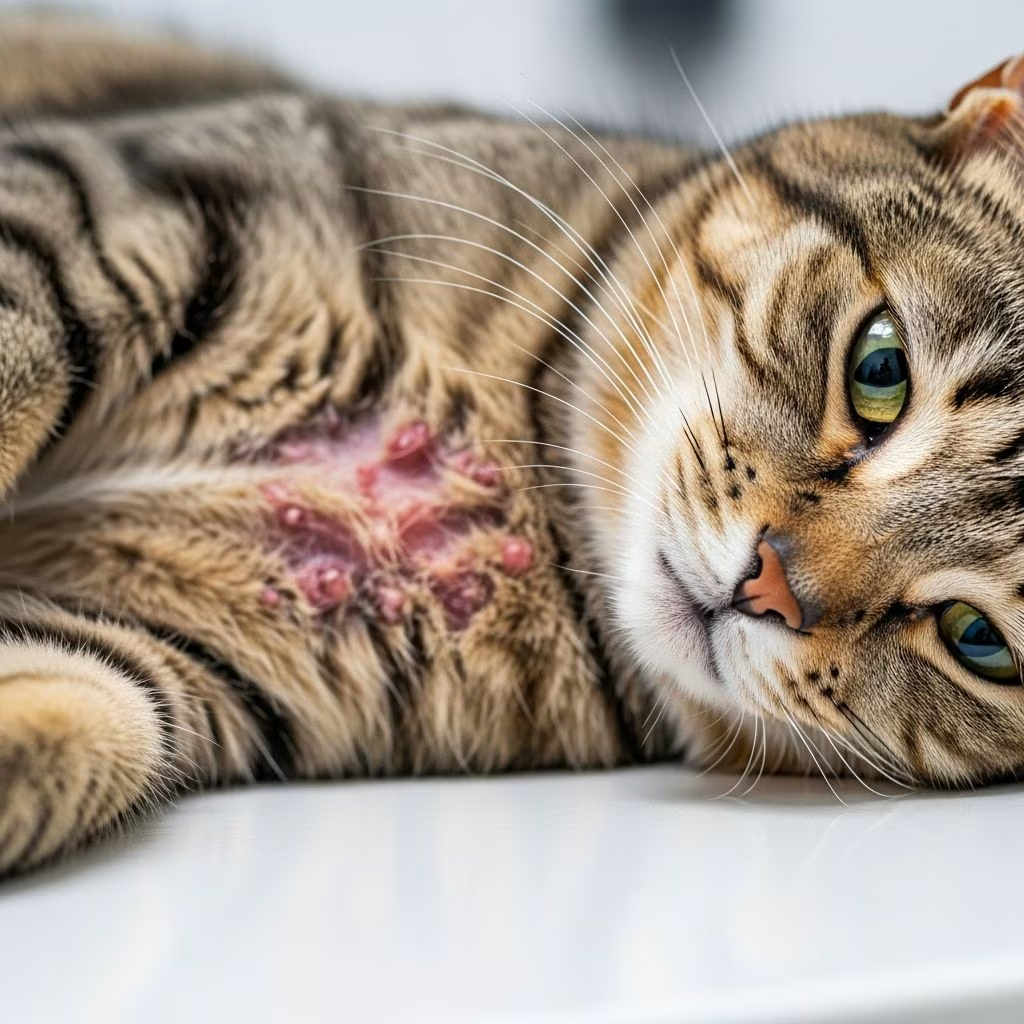
Staphylococcus bacteria, commonly known as staph, represent a frequent culprit behind bacterial infections in cats, primarily targeting the skin but capable of affecting other areas like the ears, respiratory tract, and urinary system. These infections arise when normal skin flora overgrows due to breaks in the skin barrier or weakened immunity, leading to conditions ranging from mild irritation to life-threatening complications if untreated.
Understanding the Nature of Staph Bacteria in Felines
Staph bacteria naturally reside on the skin and mucous membranes of many animals, including cats, without causing harm under normal circumstances. The immune system keeps these microbes in check, but factors such as wounds, allergies, or underlying diseases disrupt this balance, allowing proliferation and infection. In cats, superficial infections dominate, manifesting as pyoderma with crusty, itchy patches, while deeper invasions can form abscesses or draining sores.
Distinct from human staph strains, feline cases often involve species like Staphylococcus felis, which can even transmit to owners in rare instances, highlighting the zoonotic potential. Breeds with dense coats, such as Persians, face heightened risk due to moisture-trapping folds that foster bacterial growth.
Primary Causes and Risk Factors
Several triggers pave the way for staph overgrowth in cats. Trauma from scratches, bites, or surgical sites creates entry points for bacteria. Allergies—whether to food, environment, or fleas—prompt excessive grooming, damaging the skin and inviting infection.
- Flea infestations: Cause itching leading to self-trauma and bacterial entry.
- Immune suppression: From conditions like feline leukemia or poor nutrition.
- Environmental stressors: Overcrowding, filth, or stress in multi-pet homes.
- Chronic illnesses: Diabetes or hyperthyroidism that impair skin integrity.
Deep infections often stem from untreated superficial ones or systemic vulnerabilities, emphasizing early intervention.
Recognizing Symptoms Across Infection Types
Symptoms vary by infection depth and location, but vigilance is key for timely veterinary care. Superficial pyoderma presents with red, inflamed skin, alopecia, and scaly crusts, often on the face, ears, or limbs.
| Infection Type | Common Symptoms | Affected Areas |
|---|---|---|
| Superficial (Pyoderma) | Redness, itching, hair loss, pustules, crusting | Skin surface, lips, eyes |
| Deep | Abscesses, draining wounds, severe swelling, pain | Subcutaneous tissues, limbs, trunk |
| Systemic | Fever, lethargy, anorexia, respiratory distress | Ears, urinary tract, lungs |
Owners might notice excessive licking, foul odors from lesions, or behavioral changes like hiding due to discomfort. Urinary involvement brings frequent attempts to urinate with bloody discharge, while respiratory cases involve sneezing and nasal discharge.
Diagnostic Approaches by Veterinarians
Diagnosis begins with a thorough history and physical exam, focusing on lesion characteristics. Vets perform skin scrapings, cytology to identify bacteria, and bacterial cultures with sensitivity testing to pinpoint the staph strain and effective antibiotics—crucial amid rising resistance.
Bloodwork rules out underlying issues like allergies or immunosuppression. In severe cases, biopsies or imaging assess depth. Accurate identification prevents misdiagnosis with fungal or parasitic conditions.
Comprehensive Treatment Strategies
Treatment hinges on infection severity, targeting bacteria while addressing root causes. A multi-faceted approach ensures full resolution and curbs recurrence.
Antibiotic Therapy: The Foundation
Oral or injectable antibiotics form the backbone, selected via culture results. Common options include:
- Amoxicillin-clavulanate for broad coverage.
- Cephalexin for skin infections.
- Clindamycin or doxycycline for resistant strains.
Courses span 2-8 weeks; premature cessation fosters resistance. Compliance is vital.
Topical and Supportive Interventions
Medicated shampoos with chlorhexidine or benzoyl peroxide reduce surface bacteria, used 2-3 times weekly. Ointments soothe localized areas. Wound cleaning prevents abscess formation.
Anti-inflammatories like corticosteroids curb itching, paired with antihistamines for allergy-linked cases. Fluids and nutrition support systemic recovery.
Advanced and Adjunctive Therapies
Immune boosters, environmental cleaning, and probiotics aid healing. For methicillin-resistant strains (MRSP), topical therapies often suffice alongside targeted systemic drugs. Complementary options like omega-3 supplements reduce inflammation.
Prevention: Proactive Steps for Cat Owners
Forestalling staph demands diligent care. Regular flea control, hypoallergenic diets, and stress minimization are pillars.
- Maintain grooming routines to inspect skin.
- Ensure clean litter boxes and bedding.
- Vaccinate and deworm routinely.
- Address allergies promptly via vet testing.
- Avoid sharing human products that irritate skin.
Breeding facilities should prioritize hygiene to curb outbreaks.
When to Seek Urgent Veterinary Attention
Not all infections resolve outpatient; red flags include spreading lesions, high fever, profound lethargy, or foul discharge. Rapid progression signals sepsis risk, necessitating immediate care.
Frequently Asked Questions (FAQs)
Can staph infections spread from cats to humans?
Yes, though rare, strains like S. felis can transmit via contact with infected skin, especially to immunocompromised individuals.
How long do treatments take to work?
Improvement often appears in 7-10 days, but full courses last weeks to prevent relapse.
Is my cat contagious during treatment?
Isolate if possible until lesions heal and antibiotics clear bacteria; hygiene is crucial.
Are there home remedies for mild cases?
No—consult a vet. Over-the-counter antiseptics risk worsening or masking issues.
Why do some cats get recurrent infections?
Underlying allergies, fleas, or immunity issues require investigation.
Long-Term Management and Prognosis
With prompt, tailored treatment, most cats recover fully, though chronic cases need ongoing monitoring. Prognosis excels for superficial infections but declines with deep or resistant types. Owners play a pivotal role through vigilance and adherence.
This guide empowers cat guardians to navigate staph challenges, blending veterinary science with practical advice for healthier felines.
References
- Staph Infection in Cats: Causes, Symptoms, and Treatment — PetCareRx. 2023. https://www.petcarerx.com/article/staph-infection-in-cats-causes-symptoms-and-treatment/6661
- Staph Infections in Cats: 7 Effective Treatments You Need Now — The Pet Vet. 2023. https://thepetvet.com/staph-infections-in-cats/
- Methicillin Resistant Staph Infection — Animal Hospital of Montgomery. 2023. https://ahmontgomery.com/methicillin-resistant-staph-infection
- Staph Infection in Cats — PetMD. 2023. https://www.petmd.com/cat/conditions/respiratory/c_ct_staphylococcal_infections
- Staph Bacteria — Allergy, Ear & Skin Care for Animals. 2023. https://www.allergyearskincare.com/staph-bacteria.pml
- Staph felis From a Cat to Its Owner — Worms & Germs Blog. 2023-02. https://www.wormsandgermsblog.com/2023/02/articles/animals/cats/staph-felis-from-a-cat-to-its-owner/



