

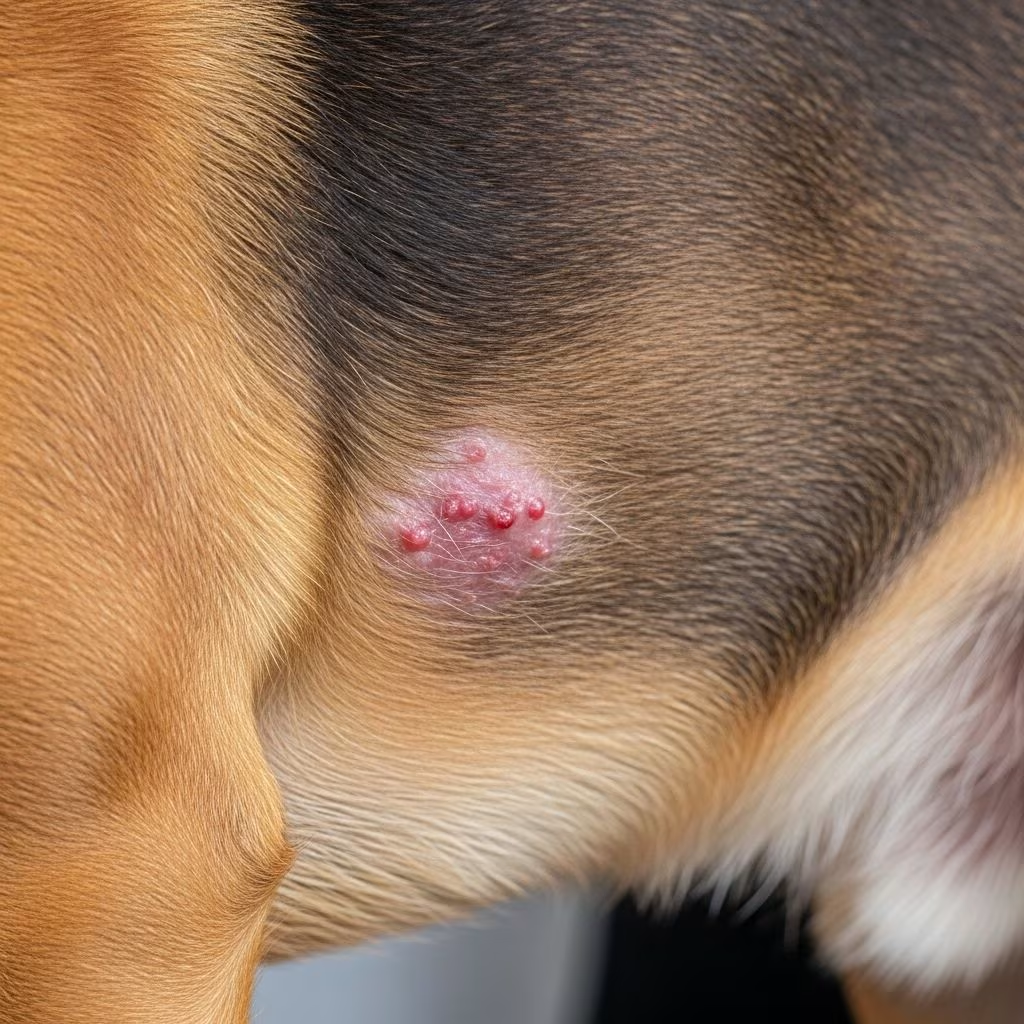
Staph infections primarily affect a dog’s skin and are caused by bacteria normally present on their bodies, becoming problematic when the skin barrier is compromised or immunity weakens. These infections pose a low risk of spreading to other dogs or humans under normal conditions, though specific scenarios like open wounds elevate transmission chances.
Understanding the Nature of Canine Staph Bacteria
Staphylococcus pseudintermedius is the primary bacterium responsible for staph infections in dogs, residing harmlessly on healthy canine skin, in the nose, mouth, or intestines of most pets. Unlike human staph (Staphylococcus aureus), canine strains rarely cross species barriers effectively due to biological differences. Infections arise opportunistically from underlying issues like allergies, hormonal imbalances, or flea infestations that disrupt skin integrity.
Healthy dogs maintain bacterial balance through intact skin and robust immunity, preventing overgrowth. When these defenses fail, bacteria proliferate, leading to symptoms such as red, itchy patches, pustules, hair loss, or crusty lesions. Early recognition prevents escalation to deeper infections or systemic spread.
Transmission Between Dogs: Low but Possible
Direct spread between dogs is uncommon during casual interactions like play or shared spaces, as healthy skin resists colonization. Transmission typically requires close contact with active, draining lesions or broken skin from bites and scratches.
- Open wounds or sores: Bacteria from an infected dog’s pus or discharge can enter another dog’s compromised skin.
- Shared items: Contaminated bedding, toys, or grooming tools harbor bacteria briefly if not disinfected.
- Crowded settings: Kennels or shelters heighten risk through frequent contact and poor hygiene.
In multi-pet households, vigilant cleaning reduces risks significantly. Most cases stem from individual imbalances rather than contagion.
Human-to-Dog and Dog-to-Human Transmission Risks
Cross-species transmission is rare due to strain specificity. Dog staph seldom infects healthy humans, and human staph rarely affects dogs with intact skin. Vulnerable groups include immunocompromised individuals or those with open wounds.
| Direction | Risk Level | Key Factors |
|---|---|---|
| Dog to Human | Low (1-2/10) | Intact skin, handwashing; higher with draining wounds |
| Human to Dog | Low | Species mismatch; risk via open dog wounds |
| Dog to Dog | Uncommon | Direct lesion contact, bites |
A documented case involved a man with skin disease and IV nutrition acquiring the same strain as his dog, underscoring risks for high-risk humans despite no extreme contact. Routine hygiene suffices for most owners.
MRSA and MRSP: The Antibiotic-Resistant Concerns
Methicillin-resistant strains like MRSP (in dogs) or MRSA (more human-associated) are harder to treat but not inherently more contagious. MRSP prevalence in dogs has risen, yet human infections remain rare. Pets may act as reservoirs, but transmission requires direct contact like licking wounds.
Treatment challenges arise from resistance, necessitating vet-guided cultures and targeted antibiotics. Prevention emphasizes avoiding unnecessary antibiotics to curb resistance.
Symptoms and Diagnosis of Staph in Canine Skin
Common signs include circular red areas, scaling, foul-smelling discharge, and excessive licking or chewing. Pyoderma (skin pus) ranges from superficial to deep, potentially involving ears, paws, or underbelly.
Vets diagnose via skin scrapes, cytology, or biopsies to confirm staph and rule out mites or fungi. Bacterial cultures guide therapy, especially for recurrent cases.
Treatment Approaches for Effective Recovery
Topical therapies like medicated shampoos (chlorhexidine-based) control mild cases, while oral antibiotics address deeper infections. Duration typically spans 3-4 weeks, with follow-up to prevent relapse.
- Shampoos and wipes: Reduce bacterial load weekly.
- Antibiotics: Chosen via sensitivity testing.
- Underlying fixes: Allergy management, flea control.
Holistic supports like omega-3 supplements bolster skin health long-term.
Prevention Strategies for Staph-Free Homes
Maintain skin health through regular grooming, balanced diets, and parasite prevention. In infected cases:
- Wash hands post-handling.
- Disinfect shared items.
- Limit lesion contact; use e-collars if chewing.
- Avoid isolation unless severe.
Multi-pet homes benefit from separate bedding during active infection.
When to Contact a Veterinarian Urgently
Seek care for worsening lesions, fever, lethargy, or appetite loss signaling sepsis risk. Untreated staph can lead to bloodstream infections, proving fatal. Prompt intervention yields high success rates.
FAQs on Staph Infections in Dogs
Is a staph infection in my dog contagious to my family?
Rarely; wash hands and avoid touching sores. Safe for healthy households.
Should I separate my infected dog from others?
Not routinely; hygiene measures suffice unless draining wounds exist.
Can staph from dogs cause serious human illness?
Very low risk except in immunocompromised; one case noted catheter infection.
How long is a dog contagious with staph?
Not truly contagious; risk ties to active lesions until treated.
Are resistant staph strains more spreadable?
No, but they persist longer, warranting stricter hygiene.
Staph management focuses on root causes for lasting prevention, ensuring pets thrive without undue isolation fears.
References
- Staph Infection In Dogs — Dogs Naturally Magazine. 2023. https://www.dogsnaturallymagazine.com/staph-infection-in-dogs/
- Is Staph Infection Contagious in Dogs? What You Should Know — Sustainable Vet. 2024. https://www.sustainablevet.org/blog/is-staph-infection-contagious-in-dogs-what-you-should-know
- Dog-to-Person Transmission of Staph pseudintermedius — Worms & Germs Blog (Univ. of Guelph). 2021-02-01. https://www.wormsandgermsblog.com/2021/02/articles/diseases/mrsamrsp/dog-to-person-staph-pseudintermedius/
- Is staph infection contagious? Duration, signs, transmission — Medical News Today. 2023. https://www.medicalnewstoday.com/articles/is-staph-infection-contagious
- MRSP in Dogs and Cats — MedVet. 2023. https://www.medvet.com/mrsp-dogs-and-cats/
- Pet animals as reservoirs for spreading methicillin-resistant… — PMC (NIH). 2023-04-20. https://pmc.ncbi.nlm.nih.gov/articles/PMC10122942/



