

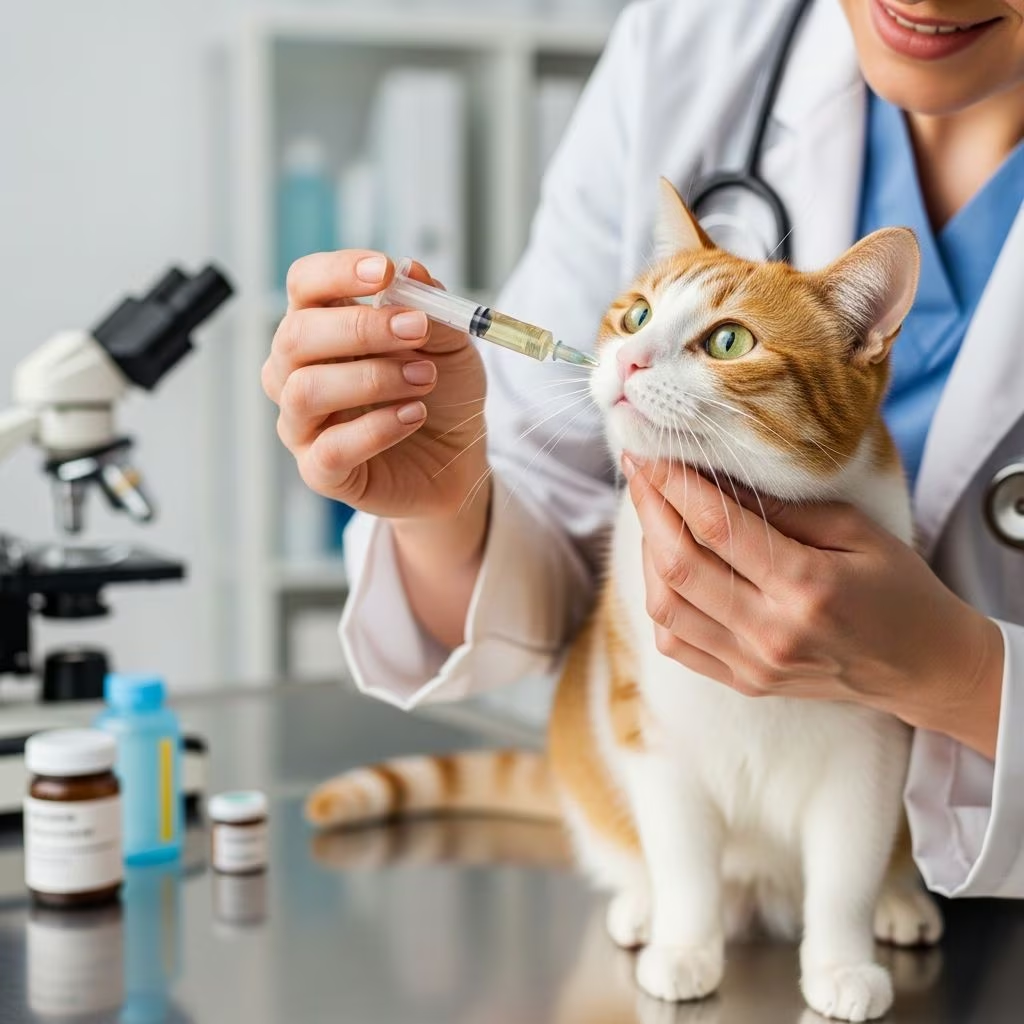
What is Stanozolol?
Stanozolol is an anabolic steroid that has been used in veterinary medicine for decades to address various health concerns in companion animals. The medication works by promoting anabolic activity in the body, which helps support muscle development, appetite stimulation, and overall metabolic function. Stanozolol is commonly known by its commercial name, Winstrol, though it is also available as a compounded medication prescribed by veterinarians.
The drug was originally FDA-approved for use in dogs, cats, and horses in its commercially produced form. Today, veterinarians may prescribe stanozolol off-label as a compounded medication for a broader range of animal species, including birds, reptiles, ferrets, rabbits, and other small mammals. It is important to note that stanozolol is classified as a controlled substance, which means its use is regulated and monitored.
Primary Uses of Stanozolol in Pets
Stanozolol has several well-established therapeutic applications in veterinary medicine. Understanding these uses can help pet owners recognize when their veterinarian might recommend this medication.
Appetite Stimulation and Weight Management
One of the primary uses of stanozolol is to improve appetite in animals experiencing decreased food intake. Ailing pets, elderly animals, or those recovering from illness often struggle with poor appetite, which can lead to nutritional deficiencies and prolonged recovery times. Stanozolol helps stimulate appetite and promotes weight gain in these vulnerable animals, supporting their nutritional status during recovery periods.
Muscle Strength and Vitality Enhancement
Stanozolol is prescribed to increase muscle strength and overall vitality in pets that are experiencing debilitation due to chronic illness or age-related decline. By promoting nitrogen retention and amino acid metabolism, the drug helps maintain lean muscle mass in animals under physiological stress. This can be particularly beneficial for working dogs, aging pets, or those recovering from traumatic injuries.
Treatment of Tracheal Collapse
Recent research has shown promising results for stanozolol in treating tracheal collapse in dogs, a condition where the windpipe gradually narrows, causing coughing and breathing difficulties. Some veterinarians now recommend stanozolol as an adjunct therapy for this condition, though further studies continue to establish optimal protocols.
Anemia Management
Stanozolol has been used to help treat anemia associated with chronic disease in pets. The medication stimulates the formation of red blood cells, which can help improve oxygen-carrying capacity in anemic animals. This application is particularly useful in pets with chronic kidney disease or other conditions that suppress red blood cell production.
How Stanozolol Works
Stanozolol functions as an anabolic steroid by promoting protein synthesis and nitrogen retention in the body. Studies have demonstrated that the drug significantly increases amino acid nitrogen retention in dogs, enhancing the body’s ability to build and maintain muscle tissue. This anabolic effect makes stanozolol useful for animals experiencing muscle wasting, poor appetite, and general debilitation.
Research on naturally occurring osteoarthritis in dogs has shown that intra-articular injections of stanozolol can produce significant improvements in weight-bearing, pain scores, and clinical function. The medication appears to work by promoting cartilage regeneration and reducing inflammatory responses in affected joints, demonstrating that its benefits extend beyond simple appetite stimulation.
Dosage and Administration
The appropriate dose of stanozolol varies depending on the species, condition being treated, and route of administration. For dogs, common dosing protocols include oral administration of 2 mg per dog twice daily, or intramuscular injections of stanozolol at doses calculated based on body weight. A documented dose for intra-articular administration in dogs is 0.3 mg/kg, specifically for managing knee osteoarthritis.
Your veterinarian will determine the most appropriate dosing regimen for your pet based on their individual health status, weight, and the specific condition being treated. It is crucial to follow your veterinarian’s dosing instructions precisely, as improper dosing may reduce effectiveness or increase the risk of adverse effects.
Potential Side Effects
While stanozolol is generally considered safe when prescribed by a veterinarian, side effects can occur in some animals. Understanding these potential adverse reactions helps pet owners monitor their pets and report concerning symptoms promptly.
Common Side Effects
The most frequently reported side effects of stanozolol include:
– Water retention and limb swelling- Behavioral changes, including alterations in sexual behaviors- Prevention or disruption of heat cycles in female animals- Increased joint effusion (fluid swelling) at injection sites, which typically resolves within days- Transient post-injection lameness, which usually resolves spontaneously
Serious Adverse Reactions
Pet owners should watch carefully for signs of serious adverse reactions and contact their veterinarian immediately if any of the following develop:
– Yellowing of the skin, gums, or eyes (indicating liver dysfunction)- Lack of appetite or severe vomiting- Weakness or excessive tiredness- Irregular breathing patterns- Rash, fever, or facial swelling and puffiness (signs of allergic reaction)
Prolonged use of stanozolol has been associated with liver damage, making regular monitoring essential for pets on extended treatment protocols.
Drug Sensitivities and Allergic Reactions
Drug sensitivities can develop over time with repeated exposure to stanozolol. Your pet may tolerate the medication well after the first few doses but may develop sensitivity later in the treatment course. Pet owners should remain vigilant throughout the entire duration of treatment for signs of allergic reactions and notify their veterinarian of any concerning symptoms.
Risk Factors and Contraindications
Stanozolol is not appropriate for all pets. Certain health conditions and situations warrant either avoiding the medication entirely or using it with extreme caution.
Absolute Contraindications (DO NOT USE)
Stanozolol should not be administered to:
– Pets with known hypersensitivity or allergies to the drug- Pregnant animals, as the drug can cause masculinization of developing fetuses- Breeding animals or nursing mothers
Use With Caution
Stanozolol should be used with careful monitoring and under close veterinary supervision in pets with:
– Liver disease- Heart disease- Kidney disease- Prostate disease or enlarged prostate glands- High blood calcium levels- Diabetes insipidus- Cats, as anabolic steroids can be particularly problematic in this species
Because stanozolol is toxic to the liver, especially in cats, special consideration must be given before administering this medication to feline patients. Cats requiring stanozolol should undergo baseline liver function testing and regular monitoring throughout treatment.
Drug Interactions
Stanozolol may interact with other medications your pet is taking. Pet owners should always inform their veterinarian about all supplements, medications, and treatments their pet is currently receiving. Notable drug interactions include:
– Insulin (may require dosage adjustment)- Warfarin and other anticoagulants- Other steroid medications
Veterinarians must be particularly careful when considering concurrent use of stanozolol with other treatments. For example, in equine joint therapy, corticosteroids should not be co-administered with stanozolol, as they can inhibit the medication’s anabolic effects.
Monitoring and Follow-Up Care
Pets receiving stanozolol require appropriate monitoring to ensure the medication is working effectively and not causing harm. Your veterinarian may recommend:
– Baseline blood work before starting treatment- Regular liver function tests, particularly for cats or pets on prolonged therapy- Physical examinations to assess response to treatment- Observation for behavioral or physical changes
Most pets should begin showing improvement within 15 to 30 days of treatment initiation, though individual response times vary. The medication is considered moderate-acting and should stop working within a few days of discontinuation, though effects may persist longer in pets with liver or kidney disease.
Special Considerations for Different Species
While stanozolol is most commonly prescribed for dogs, it has applications across multiple animal species. Cats require particularly careful consideration, as they are more sensitive to the hepatotoxic effects of anabolic steroids. Birds, reptiles, ferrets, rabbits, and other small mammals may receive compounded formulations, though evidence for efficacy and safety in these species is more limited than in dogs.
When to Contact Your Veterinarian
Pet owners should contact their veterinarian immediately if their pet experiences any of the following while taking stanozolol:
– Signs of liver disease (yellowing of skin, gums, or eyes)- Severe gastrointestinal symptoms (vomiting or lack of appetite)- Signs of allergic reaction (facial swelling, difficulty breathing, rash)- Unusual behavioral changes- Weakness or excessive lethargy- Lameness that does not resolve within a few days of injection
Frequently Asked Questions
Q: Is stanozolol safe for long-term use in pets?
A: While stanozolol can be used long-term when prescribed by a veterinarian, prolonged use has been associated with liver damage. Pets on extended therapy require regular monitoring with liver function tests to ensure safety. Your veterinarian will determine the appropriate duration of treatment for your pet’s specific condition.
Q: Can stanozolol be given to pregnant or nursing animals?
A: No, stanozolol should never be given to pregnant animals, as it can cause masculinization of developing fetuses. The drug should also be avoided in nursing mothers. If your pet is pregnant or nursing, inform your veterinarian before administering any medications.
Q: How quickly does stanozolol work?
A: Most pets begin showing improvement within 15 to 30 days of starting treatment. However, individual response times vary depending on the condition being treated and the individual pet’s metabolism. Some effects, such as improvements in joint function from intra-articular injections, may continue improving for up to 180 days.
Q: What should I do if my pet has a swollen joint after a stanozolol injection?
A: Joint swelling after injection is a known side effect that typically resolves within a few days without intervention. However, you should contact your veterinarian if swelling persists beyond a few days, worsens significantly, or your pet develops lameness that does not improve.
Q: Can stanozolol interact with my pet’s other medications?
A: Yes, stanozolol can interact with several medications, including insulin, warfarin, and other steroids. Always inform your veterinarian about all medications and supplements your pet is taking before starting stanozolol treatment.
Q: Is stanozolol approved for all animals?
A: Commercially produced stanozolol is FDA-approved only for dogs, cats, and horses. However, veterinarians may prescribe compounded stanozolol off-label for other species, including birds, reptiles, ferrets, and rabbits. The evidence supporting use in these species is more limited than in dogs.
Q: Why is stanozolol considered a controlled substance?
A: Stanozolol is classified as a controlled substance because it is an anabolic steroid with potential for abuse. This classification helps regulate its distribution and use in both veterinary and human medicine, ensuring it is used appropriately and safely.
References
- Effect of a single intra-articular administration of stanozolol in naturally occurring canine osteoarthritis — National Center for Biotechnology Information (NCBI/PMC). 2023-03-15. https://pmc.ncbi.nlm.nih.gov/articles/PMC8989994/
- Stanozolol: Uses and Side Effects in Veterinary Medicine — Wikimedia Foundation. 2024. https://en.wikipedia.org/wiki/Stanozolol
- The effect of stanozolol on 15nitrogen retention in the dog — National Center for Biotechnology Information (NCBI/PMC). 2004. https://pmc.ncbi.nlm.nih.gov/articles/PMC1189627/
- Stanozolol (Winstrol) for Dogs and Cats: Drug Information and Uses — PetPlace.com. 2024. https://www.petplace.com/article/drug-library/drug-library/library/stanozolol-winstrol-for-dogs-and-cats
- Stanozolol Information for Pet Owners — VCA Animal Hospitals. 2024. https://vcahospitals.com/know-your-pet/stanozolol
- Using Stanozolol as a Joint Therapy in Horses — The Horse Magazine. 2021. https://thehorse.com/1121333/using-stanozolol-as-a-joint-therapy-in-horses/



