

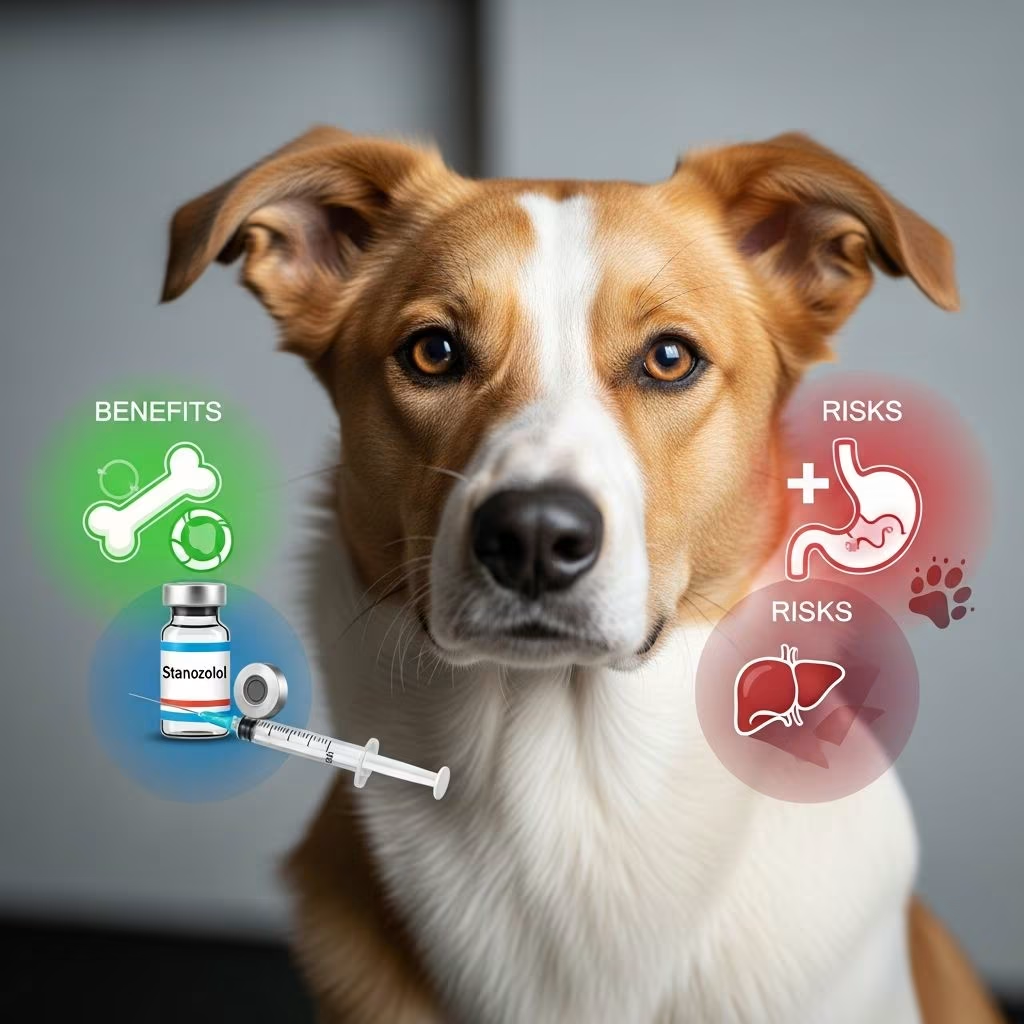
Stanozolol, known commercially as Winstrol, serves as a synthetic anabolic steroid in veterinary practice to boost appetite, promote weight gain, and enhance muscle strength in dogs facing debilitating conditions. This medication, related to testosterone, aids tissue buildup and red blood cell production, making it valuable for ailing canines.
Understanding the Pharmacology of Stanozolol
Stanozolol functions by mimicking dihydrotestosterone, a potent androgen that drives protein synthesis and nitrogen retention in muscle cells. This process fosters lean muscle growth and fortifies physical resilience, particularly useful for dogs in demanding activities or post-injury rehabilitation.
In canine physiology, it elevates red blood cell counts, combating anemia linked to chronic illnesses. Unlike some steroids, its structure resists aromatization to estrogen, minimizing water retention while maximizing anabolic effects.
Primary Therapeutic Applications in Canines
Veterinarians prescribe Stanozolol primarily to stimulate appetite and vitality in dogs weakened by disease or malnutrition. It proves effective for animals struggling with cachexia, where muscle wasting accompanies chronic renal failure or extended immobility.
- Anemia Management: By increasing red blood cell production, it alleviates fatigue from chronic disease-related anemia.
- Muscle Wasting Prevention: Supports lean mass retention during recovery from surgery or prolonged inactivity.
- Athletic Support: Enhances stamina and strength for working or sporting dogs under rigorous training.
Beyond general debility, emerging uses include tracheal collapse treatment, where it reduces airway inflammation and improves respiratory function. A specific regimen of 0.075 mg per pound orally every 12 hours for two months, followed by tapering, has shown promise.
Innovative Uses: Osteoarthritis and Joint Health
Recent research highlights Stanozolol’s intra-articular injection for osteoarthritis (OA) in dogs. A single 0.3 mg/kg dose into the affected joint yielded significant improvements in weight-bearing, pain reduction, and clinical scores, lasting up to 180 days. Unlike controls, treated dogs avoided radiographic progression of joint damage.
This approach preserved cartilage integrity and curbed osteophyte formation, outperforming oral administration in localized relief. Such findings position Stanozolol as a viable option for naturally occurring OA models, warranting further clinical trials.
Dosage Protocols and Administration Methods
| Condition | Dosage for Small Dogs/Cats | Dosage for Large Dogs | Frequency/Duration |
|---|---|---|---|
| Appetite/Strength | 1-2 mg oral | 2-4 mg oral | Twice daily; weeks as needed |
| Injectable | 25 mg IM | 50 mg IM | Once weekly |
| Tracheal Collapse | 0.075 mg/lb oral | 0.075 mg/lb oral | Every 12 hrs for 2 months, taper 2 weeks |
| Intra-articular OA | 0.3 mg/kg IA | 0.3 mg/kg IA | Single dose |
Always initiate under veterinary supervision, adjusting based on response and side effect monitoring. Oral tablets suit daily use, while injectables offer sustained release. Transdermal gels provide an alternative for non-compliant patients.
Potential Adverse Effects and Monitoring
While beneficial, Stanozolol carries risks, especially with prolonged use. Liver toxicity tops concerns, necessitating baseline and periodic liver enzyme tests. Behavioral shifts, such as aggression or restlessness, may emerge due to androgenic properties.
- Hepatotoxicity: Elevated ALT/AST levels; avoid in pre-existing liver disease.
- Cardiovascular Strain: Use caution in heart conditions.
- Dependency Risk: Controlled substance; DEA-licensed vets only.
- Interactions: Potentiates insulin, warfarin; consult on polypharmacy.
Pregnant or breeding dogs require avoidance due to masculinization risks in offspring. Regular bloodwork ensures safety, with discontinuation if abnormalities arise.
Real-World Efficacy: Case Insights
In practice, dogs with chronic renal failure on Stanozolol exhibited better nitrogen balance and food intake, though fat mass changes were negligible. Sporting breeds regained performance post-injury faster, with muscle metrics improving markedly.
For OA, a study of client-owned dogs showed 15-30 day onset of pain relief, peaking at 180 days post-injection, contrasting with control deterioration. These outcomes underscore tailored application under professional oversight.
Legal and Ethical Considerations
As a Schedule III controlled substance, Stanozolol demands strict prescription adherence. Off-label use in pets follows FDA approval precedents for dogs, cats, and horses, but human formulations like Winstrol carry veterinary caveats. Ethical use prioritizes welfare over performance enhancement.
Alternatives and Complementary Therapies
For appetite stimulation, mirtazapine or capromorelin offer non-steroidal options. Joint support leans toward NSAIDs, hyaluronic acid, or stem cell therapies. Nutritional supplements like omega-3s complement anabolic goals without risks.
Holistic approaches, including physiotherapy and weight management, amplify steroid benefits while mitigating dependency.
Frequently Asked Questions (FAQs)
Is Stanozolol safe for long-term use in dogs?
Short-term use is generally safe with monitoring; prolonged administration risks liver damage. Vet-guided durations minimize hazards.
Can Stanozolol help my dog’s muscle loss from illness?
Yes, it promotes protein synthesis and appetite, aiding recovery from cachexia in conditions like CRF.
What are signs of side effects to watch for?
Jaundice, lethargy, aggression, or appetite loss warrant immediate vet consultation.
Is a prescription required for Stanozolol?
Absolutely; it’s a controlled substance available only via licensed veterinarians.
How does Stanozolol compare to other steroids for dogs?
Its non-estrogenic profile reduces bloating, favoring it for lean gains over bulkier alternatives.
Guiding Your Dog’s Treatment Journey
Consultation with a veterinarian remains paramount before Stanozolol initiation. Personalized assessments balance benefits against individual health profiles, ensuring optimal outcomes. Ongoing research refines protocols, promising safer integrations in canine care.
References
- Stanozolol for Dogs: Enhancing Performance and Recovery with Caution and Care — Noora Tail. 2023. https://www.nooratail.com/blogs/news/stanozolol-for-dogs-enhancing-performance-and-recovery-with-caution-and-care
- Stanozolol (Winstrol®) for Dogs and Cats — PetPlace. 2024-02-17. https://www.petplace.com/article/drug-library/drug-library/library/stanozolol-winstrol-for-dogs-and-cats
- Effect of a single intra-articular administration of stanozolol in dogs with osteoarthritis — PMC/NCBI. 2022-04-12. https://pmc.ncbi.nlm.nih.gov/articles/PMC8989994/
- Stanozolol | VCA Animal Hospitals — VCA Canada. 2023. https://vcahospitals.com/know-your-pet/stanozolol
- Stanozolol Transdermal Gel — PetScript Pharmacy. 2024. https://www.petscriptpharmacy.com/products/stanozolol-transdermal-gel



