

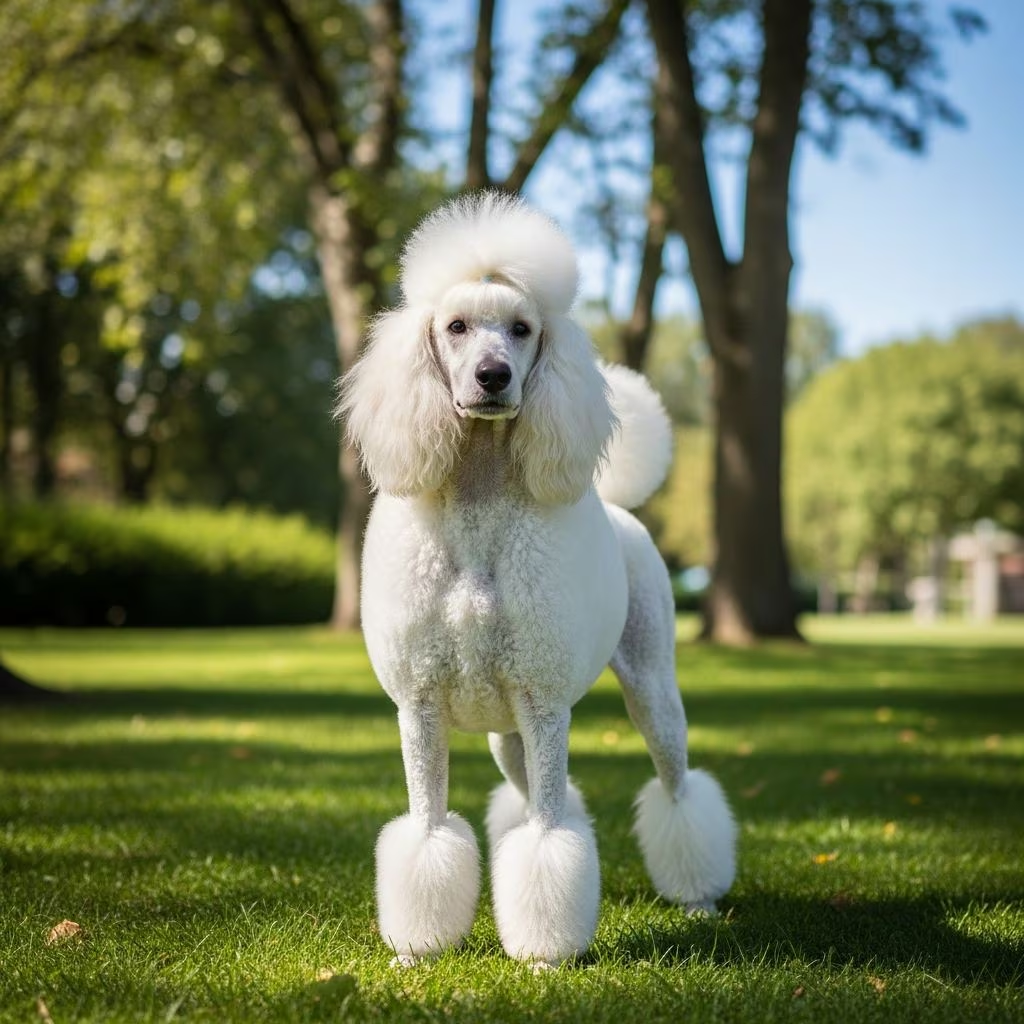
The Standard Poodle stands out as a remarkable breed, combining grace, athleticism, and exceptional smarts. Originating as a versatile working dog, this large variety excels in various roles from companionship to performance sports, making it a top choice for active households.
Origins and Historical Role of the Standard Poodle
Standard Poodles trace their roots to Germany or France centuries ago, where they served primarily as water retrievers. Their dense, curly coat protected them from cold waters during hunts for ducks and other fowl. Over time, selective breeding refined their abilities, leading to recognition in dog shows and diverse utility roles. The American Kennel Club (AKC) classifies them in the Non-Sporting Group, though their sporting heritage remains evident in their build and drive.
Historically, Poodles were clipped in functional styles to enhance swimming efficiency—shorter fur on the body for quick drying, while longer sections over joints provided warmth and protection. This practical grooming evolved into the elaborate show cuts seen today, but the breed’s working foundation underscores its enduring energy and adaptability.
Physical Characteristics and Breed Standards
Standard Poodles are defined by height rather than weight by official standards. They must measure over 15 inches at the shoulder to qualify as Standards, distinguishing them from Miniature and Toy varieties. Males typically weigh 45-70 pounds and stand 18-24 inches tall, while females range from 45-60 pounds.
Their physique presents a square profile when groomed for shows, with a level topline, deep chest, and muscular loin. The head features a moderately rounded skull, straight muzzle, and dark, oval eyes set far apart for an alert expression. Ears are long, hanging close to the head with feathering. The tail is set high, often docked for balance.
| Feature | Description | AKC Standard Notes |
|---|---|---|
| Height | Over 15 inches (38 cm) at withers | Squarely built, active appearance |
| Weight | Males: 45-70 lbs; Females: 45-60 lbs | Proportional to height |
| Coat | Dense, curly, single-layered | All solid colors allowed |
| Build | Athletic, elegant | Level topline, strong legs |
Colors include black, white, silver, brown, red, and parti-color patterns. The coat sheds minimally but requires regular maintenance to prevent matting.
Temperament and Personality Traits
Renowned for intelligence, Standard Poodles rank among the most trainable breeds, often grasping commands quickly and excelling in obedience, agility, and tricks. They exhibit pride, cheerfulness, and sensitivity, responding best to calm, authoritative handling rather than harsh methods.
Generally friendly with strangers, children, and other pets, they make excellent family dogs when socialized early. Their lower energy compared to smaller Poodles suits them for homes with space, but insufficient exercise can lead to high-strung behavior. Protective instincts make some effective watchdogs, alerting to unusual activity without excessive aggression.
- Intelligent and Eager to Please: Thrives on mental challenges like puzzle toys and learning new skills.
- Affectionate: Bonds deeply with family, dislikes isolation.
- Playful Yet Calm: Enjoys vigorous activity but settles well indoors.
- Sensitive: Picks up on owner emotions, prefers peaceful environments.
Exercise and Lifestyle Needs
As athletic dogs bred for retrieval, Standard Poodles require at least 2 hours of daily exercise, including walks, runs, or swims. They adapt to urban living with sufficient outlets but benefit from large yards. Mental stimulation prevents boredom-induced mischief, such as spelling out commands to outsmart owners.
Ideal for active families, they excel in canine sports like agility, dock diving, and therapy work. Daily pack walks establish leadership and curb separation anxiety.
Grooming Essentials for the Curly Coat
The hallmark curly, dense coat demands every-other-day brushing to avoid mats, with professional grooming every 4-6 weeks. Common clips include puppy cuts for ease or continental for shows. Bathing as needed preserves skin health, and nails, ears, and teeth require weekly checks.
Despite low shedding, allergens can persist in the dense fur, so regular maintenance is key for allergy sufferers.
Training Strategies for Success
Positive reinforcement leverages their eagerness to please. Start early with socialization and basic commands; consistency from a confident leader is crucial. Their smarts allow advanced training in herding, scent work, or service roles.
Key Tips:
- Use treats and praise over punishment.
- Incorporate daily mental games.
- Establish pack structure through walks.
- Socialize widely from puppyhood.
Nutrition and Daily Feeding Guidelines
Feed high-quality, large-breed formulas supporting joint health and energy needs—about 2-3 cups daily, split into meals. Monitor weight to prevent obesity, adjusting for activity levels. Fresh water is essential, especially post-exercise.
Health Considerations and Lifespan
Standard Poodles enjoy a lifespan of 10-15 years with proper care, though prone to hip dysplasia, eye issues like progressive retinal atrophy, Addison’s disease, and bloat. Regular vet checkups, genetic screening from reputable breeders, and preventive care mitigate risks.
Choose health-tested parents via organizations like the Poodle Club of America.
Is the Standard Poodle Right for Your Home?
| Lifestyle Fit | Yes, If… | No, If… |
|---|---|---|
| Family | Active home with older kids | Toddlers without supervision |
| Space | House with yard or active outings | Apartment with minimal exercise |
| Experience | Ready for grooming/training commitment | First-time owner seeking low-maintenance |
| Other Pets | Socialized properly | Small animals without training |
Frequently Asked Questions (FAQs)
Are Standard Poodles good with children?
Yes, they are gentle and playful, but supervise with young kids due to size and energy.
How much exercise do they need?
Over 2 hours daily, combining physical and mental activities.
Do they shed a lot?
Minimal shedding, but grooming is intensive.
What’s the best clip for pets?
Puppy or sport clips for practicality.
Are they hypoallergenic?
Low-shedding, but not fully hypoallergenic.
Choosing a Reputable Breeder or Adoption
Seek breeders affiliated with AKC or Poodle clubs providing health clearances. Rescues often have adult Standards needing homes. Prioritize temperament tests and vet histories.
References
- Standard Poodle Dog Breed Information and Pictures — DogBreedInfo. Accessed 2026. https://www.dogbreedinfo.com/standardpoodle.htm
- AKC Breed Standard — Poodle Club of America. Accessed 2026. https://poodleclubofamerica.org/akc-breed-standard/
- Poodle Standard Dog Breed Information — Purina UK. Accessed 2026. https://www.purina.co.uk/find-a-pet/dog-breeds/poodle-standard
- Why Standard Poodles Are the Best! — Debbie W. Wilson. Accessed 2026. https://debbiewwilson.com/standard-poodles/
- Standard Poodle Dog Breed Health and Care — PetMD. Accessed 2026. https://www.petmd.com/dog/breeds/standard-poodle
- Poodle (Standard) — American Kennel Club. Accessed 2026. https://www.akc.org/dog-breeds/poodle-standard/



