
Stallion Fertility Assessment: Step-By-Step Guide For Breeders
Comprehensive guide to evaluating stallion reproductive health for optimal breeding success and herd productivity.
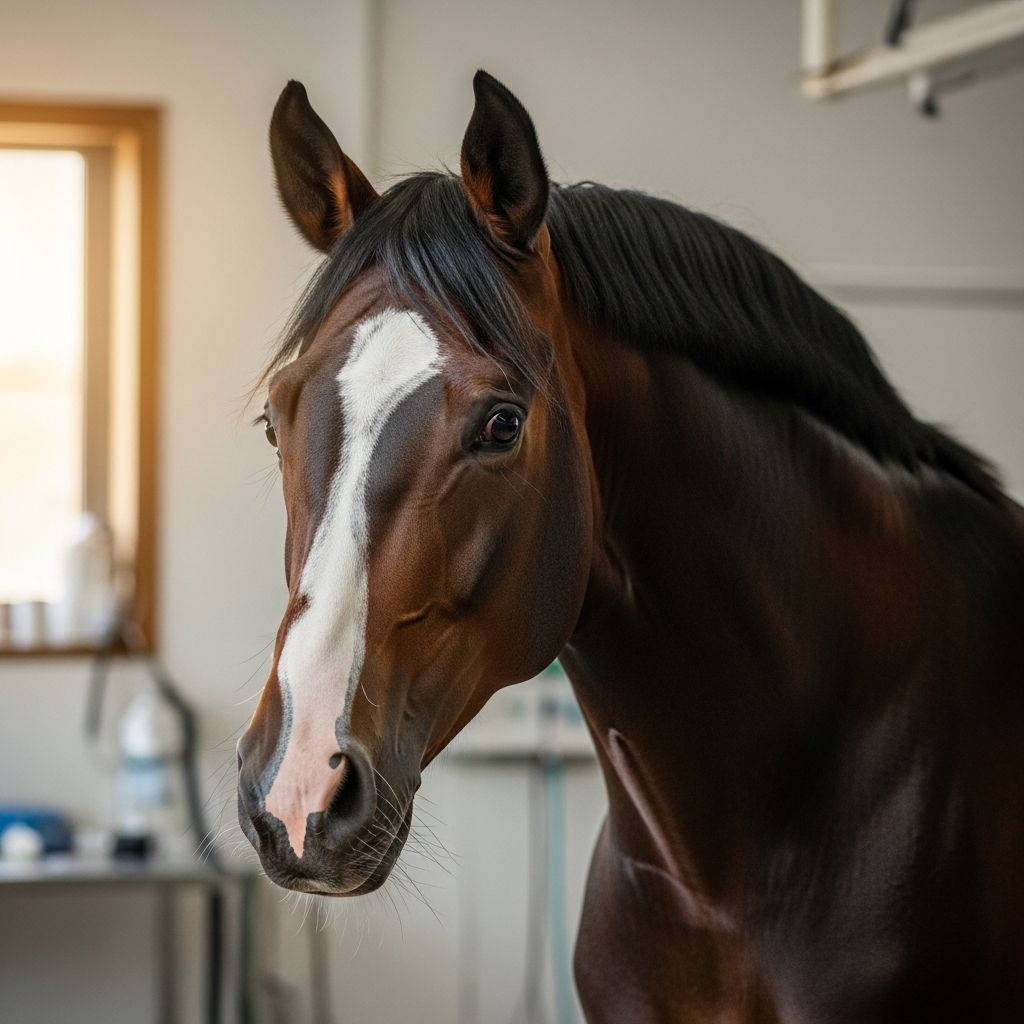
Assessing a stallion’s reproductive capability is crucial for equine breeders aiming to achieve high pregnancy rates and healthy foals. This process, often called a breeding soundness evaluation, systematically reviews the horse’s overall condition, mating behaviors, physical structures, and sperm characteristics to predict breeding performance.
Why Conduct Fertility Checks on Stallions?
Regular fertility assessments help identify potential issues early, preventing financial losses from low conception rates. They provide data on how many mares a stallion can effectively cover in a season, guide management decisions, and ensure disease-free breeding programs. Owners use these exams before sales, new breeding seasons, or when troubleshooting poor results.
Key benefits include estimating daily sperm output, detecting genetic or heritable defects, and confirming freedom from contagious diseases like equine arteritis virus (EAV), equine infectious anemia (EIA), and contagious equine metritis (CEM).
Preparing for the Evaluation Process
Schedule the exam after a period of sexual rest to allow accurate semen sampling. Ensure the stallion maintains a body condition score of at least 5 on the 9-point Henneke scale for optimal sperm quality. If underweight, delay until stable for 60 days.
- Review vaccination status, especially EAV.
- Gather records on past breeding successes and failures.
- Perform on-farm or at a clinic with proper equipment.
Step-by-Step Examination Protocol
1. Gathering Background Information
Start with a detailed history to uncover patterns. Document prior illnesses, injuries, medications, and breeding stats like mares covered, pregnancy rates, and foaling outcomes. Note libido levels and any mating difficulties.
This step reveals risks such as lameness affecting mounting or chronic conditions impacting fertility.
2. Comprehensive Physical Health Review
A full physical exam checks for systemic issues. Evaluate body condition, heart, lungs, vision, and gait. Lameness in hindlimbs or back can impair breeding ability. Test for fevers, colic history, or signs of infection.
| Aspect | Ideal Findings | Potential Issues |
|---|---|---|
| Body Condition | Score 5-7/9 | Low score affects semen |
| Gait/Locomotion | Sound movement | Hindlimb lameness |
| Vital Signs | Normal temp, HR | Fever or tachycardia |
3. External Genital Inspection
Examine the penis, prepuce, scrotum, and testes visually and by palpation. Look for lesions, swelling, or discharges. Measure scrotal width (should exceed 8 cm) and confirm both testes are descended and symmetrical.
Testicular traits assessed:
- Size and volume via calipers: Volume = 0.523 × L × W × H
- Smoothness and turgidity
- Free movement in scrotum
- No rotation >180 degrees (risk of torsion)
Daily sperm output estimate: Total testicular volume × 0.024 – 0.76.
4. Internal Reproductive Structures Check
Use rectal palpation and ultrasound to evaluate accessory glands, inguinal rings, prostate, and vesicular glands. Detect enlargements, cysts, or vascular issues in aorta/iliac arteries that could affect semen transport.
5. Behavioral and Mating Capability Test
Observe libido: erection, mounting, thrusting, and ejaculation drive. Simulate breeding with a dummy or mare to assess performance under pressure. Poor libido may stem from pain, hormonal imbalances, or psychological factors.
Semen Collection Techniques
Collect multiple ejaculates (2-3) using an artificial vagina or dummy mount for accuracy. Ground collection avoids mare risks. Post-collection, extend semen immediately to preserve viability.
- Preferred method: AV with phantom
- Alternative: Mare-induced (with protection)
- Electroejaculation for low-libido cases (rare)
Detailed Semen Quality Analysis
Semen evaluation is the cornerstone, determining classification as satisfactory, questionable, or unsatisfactory.
Key Parameters
| Parameter | Satisfactory Threshold | Significance |
|---|---|---|
| Volume per Ejaculate | >30 mL | Fluid contribution from glands |
| Concentration | >200 million/mL | Sperm count density |
| Total Motile Sperm | >2 billion | Breeding dose viability |
| Progressive Motility | >35% | Forward swimming ability |
| Morphology (Normal) | >60% | Structural integrity |
Assess color (creamy white), gel-free volume, pH (7.2-7.8), and longevity post-cooling/freezing if applicable.
Use phase-contrast microscopy for motility and stains like eosin-nigrosin for morphology.
Testing for Infectious Agents
Mandatory cultures and serology for CEM, EAV, EIA, Pseudomonas aeruginosa, and Klebsiella. Positive results disqualify breeding until cleared.
Classification and Breeding Recommendations
Based on results:
- Satisfactory Prospector: Meets all criteria; unlimited mares based on book.
- Questionable: Marginal semen; retest recommended.
- Unsatisfactory: Major defects; breeding not advised.
Factor in intended use: natural service limits to 40-60 mares/season; AI allows more.
Advanced Considerations for AI Programs
For shipped or frozen semen, add shipping tests. Evaluate post-thaw motility (>30% post-thaw satisfactory). Testicular volume strongly predicts freezer success.
Common Pitfalls and Troubleshooting
Avoid exams during acute illness or poor condition. Repeat if initial results are borderline. Address low libido with hormone assays (testosterone).
- Seasonal effects: Peak breeding April-June.
- Age impacts: Older stallions may decline in output.
FAQs
How often should I evaluate my stallion?
Annually before breeding season, or after illness/injury.
What if semen motility is low?
Investigate infections, heat stress, or nutritional deficits.
Can young stallions be classified satisfactory?
Yes, if parameters met, though experience refines accuracy.
Cost of a full exam?
Varies; includes vet fees, lab work (~$500-$1500).
Does body weight affect results?
Yes; thin stallions produce inferior semen.
Enhancing Stallion Reproductive Longevity
Nutrition rich in omega-3s, vitamin E, and selenium supports fertility. Moderate exercise prevents obesity. Monitor heat exposure to avoid scrotal temperature spikes.
References
- Breeding Soundness Exams for Stallions: [7-Step Guide] — Mad Barn. 2023. https://madbarn.ca/breeding-soundness-exams-for-stallions/
- Evaluation of the stallion for breeding soundness — PubMed (Review). 1992-01-01. https://pubmed.ncbi.nlm.nih.gov/1576547/
- Breeding Soundness Examination of the Stallion — Merck Veterinary Manual. 2023. https://www.merckvetmanual.com/management-and-nutrition/management-of-reproduction-horses/breeding-soundness-examination-of-the-stallion
- Understanding Breeding Soundness Exams for Stallions — The Horse. 2012-02-19. https://thehorse.com/117246/understanding-breeding-soundness-exams-for-stallions/
- Stallion Reproductive Evaluation — Colorado State University College of Veterinary Medicine. 2022-11-15. https://vetmedbiosci.colostate.edu/erl/2022/11/15/stallion-reproductive-evaluation/
Similar Articles








Read full bio of medha deb


