

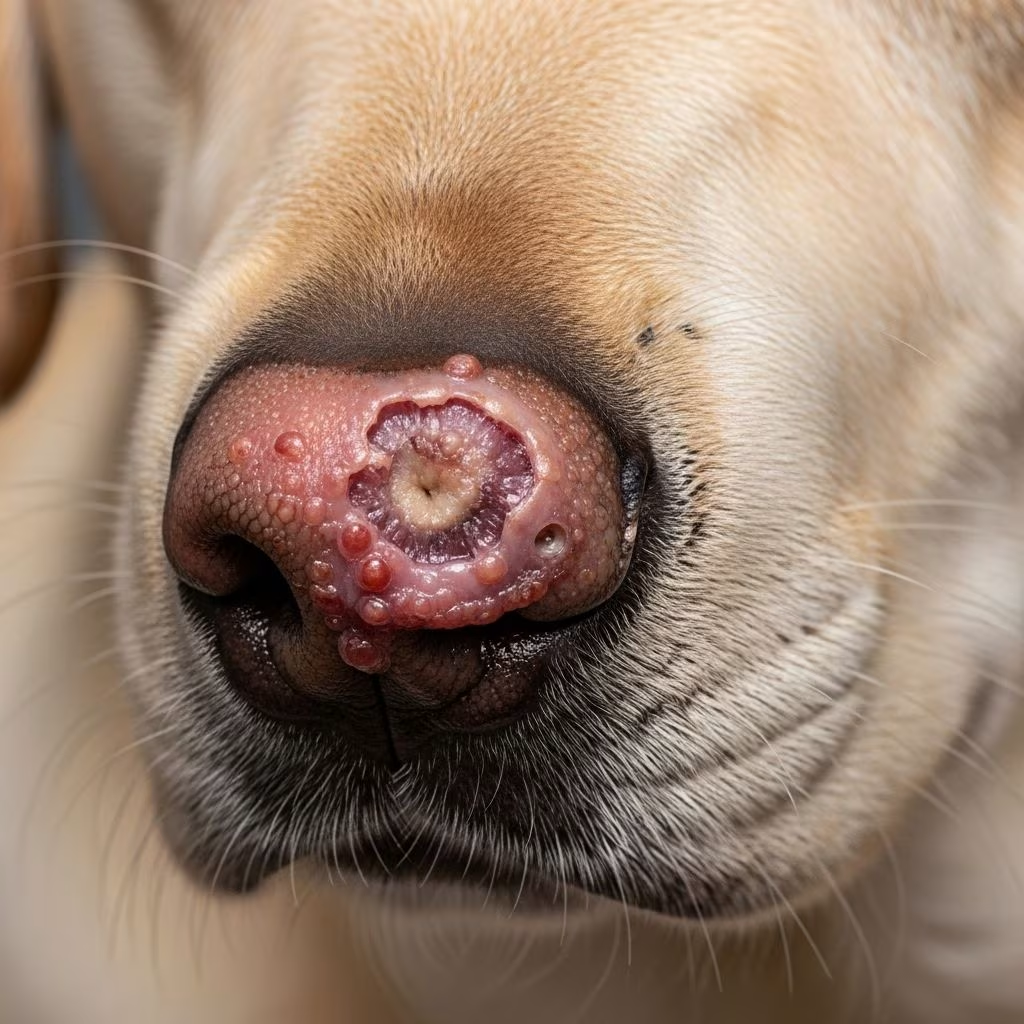
Squamous cell carcinoma (SCC) represents a prevalent form of skin and oral cancer affecting dogs and cats, often linked to environmental factors like ultraviolet radiation. Early identification and intervention significantly enhance prognosis, particularly for skin-based cases, while oral variants demand urgent attention due to their rapid progression.
Understanding the Nature of SCC in Companion Animals
SCC originates from squamous epithelial cells, which form the outermost layers of skin and line mucous membranes in the mouth. In pets, it manifests primarily in two locations: the skin, especially in sun-exposed areas, and the oral cavity. This malignancy can invade local tissues and, less commonly, metastasize to lymph nodes or distant organs like the lungs.
Dogs and cats of advanced age, typically around 12 years, face higher risks. Light-pigmented or white-furred animals are particularly vulnerable for cutaneous forms due to reduced natural UV protection. Feline cases outnumber canine ones for skin SCC, comprising about 15% of feline skin tumors versus 5% in dogs.
Risk Factors Driving SCC Development
- Solar Exposure: Prolonged sunlight, common in sunny regions, triggers DNA damage in lightly pigmented skin, leading to malignant transformation. White cats on ears, nose, and eyelids are classic examples.
- Breed Predispositions: While Persians and Siamese show lower incidence, other breeds with sparse pigmentation in key areas remain susceptible.
- Oral Contributors: Potential links include secondhand tobacco smoke, flea collars, and certain diets like canned tuna, though exact mechanisms for oral SCC remain unclear.
- Viral Influences: Early papilloma virus exposure may play a role in some cutaneous cases.
Preventive measures focus on limiting midday sun for at-risk pets, using pet-safe sunscreens, and scheduling regular veterinary check-ups for seniors.
Recognizing Cutaneous SCC: Visible Warning Signs
Skin SCC often appears as firm, raised plaques, ulcers, or crusty lesions on sun-exposed sites. In cats, common hotspots include the nasal planum (nose bridge), ear tips, and eyelids; dogs may develop them on the abdomen or legs.
| Location | Typical Appearance | Common Species |
|---|---|---|
| Ears, Nose, Eyelids | Red, scaly, non-healing sores | Cats (white-furred) |
| Abdomen, Legs | Ulcerated plaques | Dogs |
| Lightly Pigmented Areas | Crusted erosions | Both |
These lesions may bleed, ooze, or fail to heal over weeks. Progression can cause pain, leading to head rubbing or avoidance of touch.
Spotting Oral SCC: Subtle Yet Deadly Indicators
Oral SCC proves more insidious, often evading notice until advanced. Cats mask discomfort, delaying owner awareness. Key signs include:
- Bad breath (halitosis)
- Excessive drooling or blood-tinged saliva
- Difficulty chewing or swallowing (dysphagia)
- Weight loss, lethargy, or reduced grooming
- Visible masses on gums, tongue, or palate
Average diagnosis age is 12 years, with 90% of affected cats succumbing within a year if untreated, underscoring the need for routine oral exams under anesthesia.
Diagnostic Approaches for Accurate Confirmation
Veterinarians employ a multi-step process:
- Physical Examination: Thorough inspection of skin and oral cavity, often requiring sedation for cats.
- Cytology/Fine Needle Aspirate (FNA): Quick cell sampling from lesions or nearby lymph nodes.
- Biopsy: Gold standard; surgical excision provides tissue for histopathology, assessing differentiation (well, moderate, poor).
- Staging Tests: Bloodwork (checking for hypercalcemia), chest radiographs, lymph node analysis to detect spread.
Histology reveals invasion patterns; poorly differentiated tumors correlate with higher metastasis risk (about 4-5% overall).
Treatment Strategies: From Surgery to Advanced Therapies
Treatment varies by location, size, and stage.
Cutaneous SCC Management
Early, localized tumors respond well to:
- Surgical Excision: Wide margins often curative; cryosurgery or amputation for ears/nose viable.
- Radiation: Effective for incomplete resections.
- Photodynamic Therapy (PDT): Photosensitive agent activated by laser targets cancer cells selectively.
Prognosis excels with clean margins; metastasis rare (3-5%).
Oral SCC Interventions
More challenging due to aggression:
- Surgical Resection: Partial mandibulectomy/maxillectomy; radiation boosts survival.
- Palliative Care: NSAIDs like meloxicam alleviate pain, improving quality of life despite kidney risks.
- Chemotherapy/Radiation: Adjuncts for inoperable cases.
Median survival post-diagnosis: months to a year, improved by multimodality approaches.
Prognosis Insights: What Influences Outcomes
Skin SCC offers favorable odds if addressed promptly—many pets achieve long-term remission. Oral forms carry guarded prognoses; factors worsening outlook include size >2cm, bone involvement, and lymph node metastasis.
| Tumor Type | Metastasis Rate | Survival Expectation |
|---|---|---|
| Skin SCC | Low (4%) | Good with early tx |
| Oral SCC | Higher locally | Poor; <12 months |
Regular monitoring post-treatment detects recurrences early.
Prevention Tactics for At-Risk Pets
Proactive steps mitigate risks:
- Limit sun from 10 AM-4 PM; provide shade/UV clothing.
- Apply veterinary sunscreens to ears/nose.
- Avoid smoke exposure; opt for safer flea preventives.
- Annual senior wellness exams with oral rads if needed.
Pet insurance aids coverage of diagnostics/treatments.
Frequently Asked Questions (FAQs)
Is SCC painful for my pet?
Yes, especially oral forms cause significant discomfort; pain meds improve comfort.
Can indoor cats get skin SCC?
Less likely, but window UV exposure or genetics pose risks.
How often should I check my white cat’s ears?
Weekly self-exams; vet checks bi-annually for seniors.
Does diet influence oral SCC?
Possible links to canned foods; dry kibble may reduce risk.
What’s the cost of SCC treatment?
Biopsy: $500+; surgery/radiation: $3,000-$10,000+; insurance helps.
Supporting Your Pet Through Diagnosis and Recovery
Cancer journeys challenge owners emotionally. Collaborate with oncologists, maintain nutrition, and monitor for side effects. Support groups and palliative hospice extend quality time.
This guide equips you to advocate effectively. Consult your vet promptly for suspicious changes—early action saves lives.
References
- Squamous Cell Carcinomas (Skin & Oral) in Dogs & Cats — Long Beach Animal Hospital. Accessed 2026. https://lbah.com/canine/squamous-cell-carcinoma-in-dogs/
- Prevalence of metastatic cutaneous squamous cell carcinomas in dogs and cats: a retrospective study of 20 cases (1985-2020) — PubMed (Vet Pathol). 2023-02-15. https://pubmed.ncbi.nlm.nih.gov/36806427/
- Squamous Cell Carcinoma of the Skin in Cats — Atlantic Veterinary Internal Medicine & Oncology. Accessed 2026. https://www.avim.us/blog/squamous-cell-carcinoma-of-the-skin-in-cats
- Squamous Cell Carcinomas in Cats — VCA Animal Hospitals. Accessed 2026. https://vcahospitals.com/know-your-pet/skin-squamous-cell-carcinoma-in-cats
- Squamous Cell Cancer: Dangerous — Cornell University College of Veterinary Medicine. Accessed 2026. https://www.vet.cornell.edu/departments-centers-and-institutes/cornell-feline-health-center/health-information/feline-health-topics/squamous-cell-cancer-dangerous
- Skin SCC – Canine — Veterinary Society of Surgical Oncology. Accessed 2026. https://vsso.org/skin-scccanine
- Feline Oral Squamous Cell Carcinoma — NC State Veterinary Hospital. Accessed 2026. https://hospital.cvm.ncsu.edu/services/small-animals/cancer-oncology/oncology/feline-oral-squamous-cell-carcinoma/



