

Squamous Cell Carcinoma in Dogs: Understanding This Common Skin Cancer
Squamous cell carcinoma (SCC) is one of the most commonly diagnosed skin cancers in dogs, representing a significant concern for pet owners and veterinarians alike. This malignant tumor arises from the squamous cells in the outermost layer of the skin, and while it can be serious, early detection and appropriate treatment can lead to favorable outcomes. Understanding the nature of this disease, recognizing its symptoms, and knowing the available treatment options are essential for any dog owner dealing with this diagnosis.
What is Squamous Cell Carcinoma?
Squamous cell carcinoma develops from the squamous epithelial cells that comprise the outer layer of a dog’s skin. This cancer is more prevalent in certain breeds and under specific environmental conditions. The disease can vary significantly in its aggressiveness and location, which directly impacts both the prognosis and treatment approach. Unlike some other skin conditions in dogs, SCC is a genuine malignancy that requires prompt veterinary attention and appropriate management to prevent progression and metastasis.
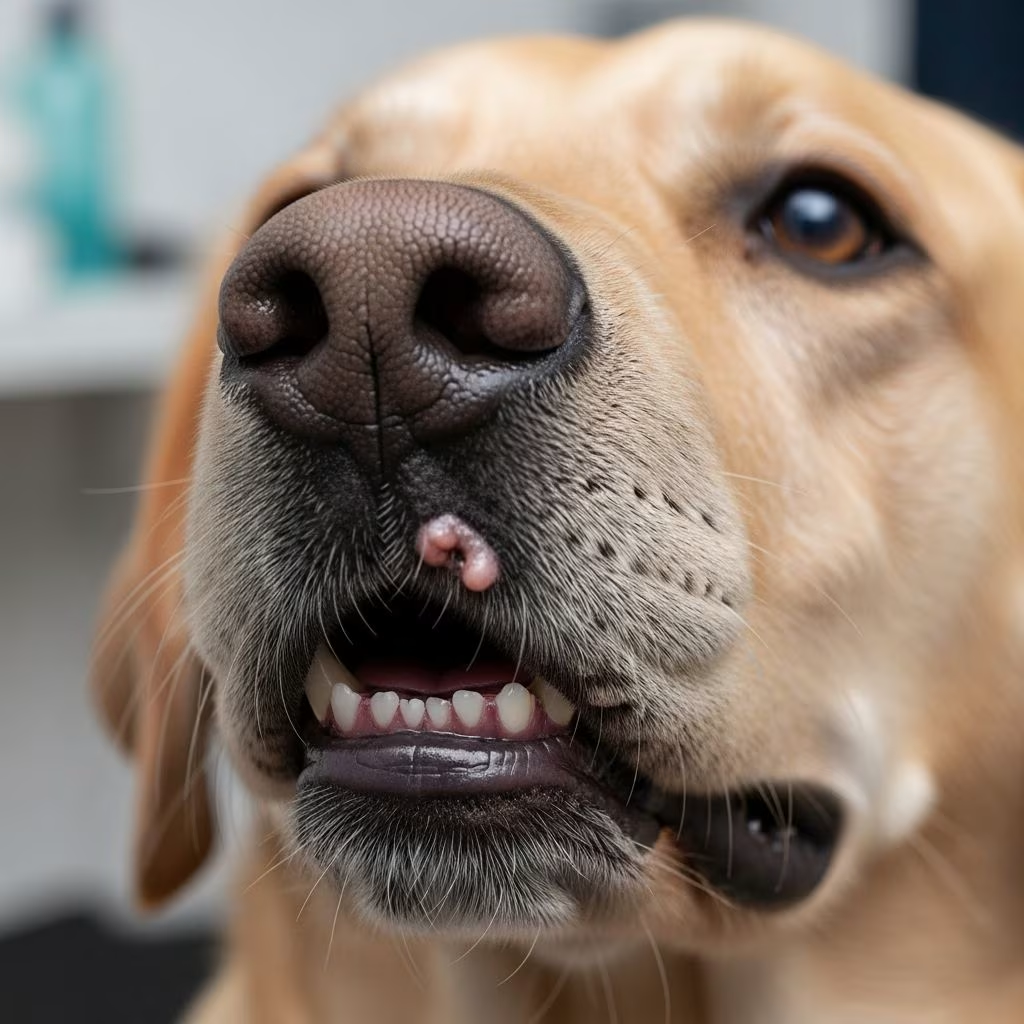
The tumor typically appears as a firm, raised lesion on the skin surface. These lesions are frequently ulcerated and may resemble warts or have an exophytic (outwardly growing) appearance. The location of the tumor is crucial for determining the severity and treatment strategy, as tumors in different body regions have varying biological behaviors and prognoses.
Risk Factors and Predisposed Breeds
Certain dog breeds demonstrate a higher predisposition to developing squamous cell carcinoma, particularly those with white or light-colored skin and short hair coats. Breeds commonly affected include Dalmatians, Bull Terriers, and Beagles. These breeds’ susceptibility appears linked to their reduced pigmentation, which provides less protection against ultraviolet radiation exposure.
Environmental factors play a significant role in SCC development. Chronic sun exposure is a well-established risk factor, particularly in areas with intense UV radiation. Dogs living in sunny climates or those spending extended periods outdoors are at increased risk. Additionally, dogs with immunosuppression or those exposed to carcinogenic substances may develop this cancer at higher rates than the general population.
Clinical Signs and Symptoms
Recognizing the early signs of squamous cell carcinoma is critical for successful treatment. Pet owners should be vigilant for any changes in their dog’s skin or behavior that might indicate the presence of this disease.
The most obvious clinical signs include:
- Small sores on the body that appear inflamed, red, or covered in thickened skin
- Bloody or ulcerated lesions on the skin surface
- Excessive licking or chewing at a specific area of the body
- Missing toenails or blood on the floor (indicating digital involvement)
- Changes in walking patterns, reluctance to walk, or inability to bear weight
- Excessive drooling, with or without blood (indicating oral involvement)
- Difficulty swallowing or chewing
- Unexplained weight loss
It is important to note that many SCC tumors are not itchy, and some may not be painful in the early stages. However, ulcerated tumors may develop secondary bacterial infections, which can produce additional symptoms including redness, heat, swelling, discharge, and foul odor. Dogs with oral squamous cell carcinoma may present with halitosis (bad breath), difficulty eating, loose teeth, facial swelling, and abnormal salivation.
Diagnosis of Squamous Cell Carcinoma
Accurate diagnosis is fundamental to developing an appropriate treatment plan. Veterinarians employ several diagnostic techniques to confirm the presence of squamous cell carcinoma and assess its extent.
Physical Examination: The initial diagnostic process begins with a thorough physical examination. The veterinarian will inspect and palpate any suspicious lesions, noting their size, appearance, location, and whether they appear to have invaded surrounding tissues.
Tissue Sampling Methods: Definitive diagnosis requires microscopic examination of tissue samples. Several methods may be employed:
- Fine needle aspiration with cytology (FNAC) – A quick, minimally invasive procedure that collects small cell samples
- Punch biopsy – A small tissue sample is obtained using a specialized tool
- Complete resection – The entire suspicious lesion is removed and examined pathologically
Cytology, the microscopic examination of cell samples, provides valuable information about the tumor’s characteristics and helps determine the prognosis. More accurate diagnosis enables veterinarians to predict outcomes more reliably and select the most appropriate treatment strategy.
Additional Diagnostic Imaging: Once SCC is confirmed, additional diagnostic imaging such as radiographs or ultrasound may be recommended to assess whether the tumor has invaded adjacent bone or tissue, and to screen for distant metastasis to regional lymph nodes or other organs.
Treatment Options for Squamous Cell Carcinoma
Treatment decisions for squamous cell carcinoma depend on several factors including tumor location, size, degree of invasiveness, whether metastasis has occurred, and the overall health status of the dog. Multiple treatment modalities are available, and often a combination approach provides the best outcomes.
Surgical Intervention
Surgery is considered the most well-described and effective treatment for squamous cell carcinoma of the skin and nose. Surgical removal of the tumor, when completely executed with adequate margins, provides the best long-term control of the disease. For small skin lesions that have not invaded nearby tissue, surgical removal can be relatively straightforward. However, larger tumors or those that have invaded adjacent tissues require more extensive surgical procedures.
For digital (toe) tumors, surgical amputation of the affected digit is the treatment of choice, with surgical margins of at least 2 centimeters being recommended. Clinical reports have indicated that 95% of dogs who underwent amputation showed one-year survival rates. When tumors develop in other parts of the digit, the one-year survival time is approximately 60% of cases.
For facial or ear tumors, amputation of the pinnae (outer projecting portion of the ear) may be necessary. Dogs function remarkably well following partial jaw removal if oral tumors are involved, and many maintain excellent quality of life despite these significant surgical procedures.
Surgical Margins: The concept of surgical margins is crucial in oncologic surgery. Clean margins mean that the tumor has been completely removed with no cancer cells remaining at the surgical site. Surgical margins greater than 1 centimeter (ideally 2 centimeters if possible) around the lesion are generally recommended to minimize the risk of recurrence.
Radiation Therapy
Radiation therapy does not appear to be very effective as a standalone treatment for squamous cell carcinoma of the skin and nose in dogs. However, it may be used in combination with surgery when the tumor cannot be completely removed or when complete removal is not possible. Radiation therapy is more beneficial for oral squamous cell carcinomas than for cutaneous disease. Shorter treatment protocols with larger doses, often called “palliative radiation,” may be prescribed for dogs with advanced disease to provide pain relief and improve quality of life rather than attempting cure.
Chemotherapy
The role of chemotherapy in treating squamous cell carcinoma remains controversial and should be discussed thoroughly with your veterinarian or veterinary oncologist. However, certain chemotherapy agents have shown promise in specific situations:
- Intralesional chemotherapy using 5-fluorouracil, cisplatin, or carboplatin has been used with fair success in some cases
- Piroxicam, a nonsteroidal anti-inflammatory drug with immunomodulating effects, has produced partial responses in half of patients treated with nonresectable tumors, with a resulting median survival of 150 days
- Administration of systemic chemotherapy for a minimum of three weeks can produce partial or total regression in some cases
Advanced Therapeutic Options
Several innovative treatment approaches have emerged as valuable alternatives or adjunct therapies:
Photodynamic Therapy: This cutting-edge treatment uses drugs activated by light (photosensitizers) to destroy cancer cells. An injection of photosensitive chemical is given to the dog, which is absorbed only by cancerous cells. When a laser beam is applied, only the cells containing the photosensitizer are destroyed, while normal cells remain unharmed. This selective destruction makes it an attractive option for early squamous cell carcinoma.
Cryosurgery: This technique involves freezing and destroying cancer cells using extreme cold. It may be particularly useful for early lesions and is often associated with minimal pain and faster healing compared to traditional surgical excision.
Retinoid Therapy: Systemic retinoids such as etretinate have been used in the management of squamous cell carcinoma. Administration of etretinate for 90 days has produced total regression of pre-neoplastic lesions in some dogs, though aggressive lesions typically show only partial response. Isotretinoin, another synthetic retinoid, when combined with controlled localized radiofrequency treatment, has produced better results than either treatment alone.
Hyperthermia: This technique, which applies localized heat to tumors, may be helpful for early lesions, though proper investigation to determine its effectiveness in dogs is still ongoing.
Supportive Care
Regardless of the primary treatment chosen, supportive care is essential. Dogs with SCC, especially oral involvement, often experience pain and may be in poor nutritional states. Pain control must be instituted before and after treatment, and supplemental feeding, including feeding tubes when necessary, should be provided to maintain adequate nutrition during recovery and ongoing treatment.
Prognosis and Long-Term Outcomes
The prognosis for squamous cell carcinoma varies significantly based on several factors. When caught early, before metastasis has occurred, dogs can make a full recovery from SCC. In fact, SCC has one of the best prognoses compared to other types of canine cancer when diagnosed before metastasis.
For digital tumors treated with complete surgical amputation, approximately 95% of dogs show one-year survival. However, approximately one-third of tumors in this location will metastasize even after amputation, as they can spread along nerves. Well-differentiated tumors may still metastasize and, unlike oral squamous cell carcinomas, cutaneous SCC can aggressively spread to lymph nodes and beyond.
For invasive neoplasms that have significantly invaded surrounding tissues, the one-year survival time is unfortunately less than 10%. This underscores the importance of early detection and intervention.
The location of the tumor is particularly important for prognosis. Tumors on the digits, nose, and other accessible locations that can be completely removed surgically generally have better outcomes than tumors that are deeply invasive or located in areas where complete surgical removal is not feasible.
When Surgery May Not Be an Option
Not all dogs are candidates for surgical intervention. Some dogs may not be healthy enough to tolerate general anesthesia due to underlying medical conditions, advanced age, or other health concerns. Additionally, some tumors may be located in areas that are inaccessible or too extensive for surgical removal. In these situations, radiation therapy, chemotherapy, and palliative care focused on maintaining comfort and quality of life become the primary management strategies.
Frequently Asked Questions
Q: Can squamous cell carcinoma be prevented in dogs?
A: While you cannot completely prevent SCC, you can reduce risk by limiting your dog’s sun exposure, especially if they are a light-colored or short-haired breed. Providing shade during peak sun hours and considering protective clothing for at-risk dogs can help minimize UV exposure.
Q: What is the difference between cutaneous and oral squamous cell carcinoma?
A: Cutaneous SCC affects the skin, while oral SCC develops in the mouth. Oral SCC tends to be more aggressive and has a worse prognosis than cutaneous disease. Treatment approaches and outcomes differ between these two types.
Q: How long do dogs typically survive after SCC diagnosis?
A: Survival times vary greatly depending on the tumor’s location, stage, and whether metastasis has occurred. Early-stage cutaneous SCC treated with complete surgical removal can result in long-term survival and potential cure. Advanced or metastatic disease has a much poorer prognosis.
Q: Will my dog need ongoing monitoring after treatment?
A: Yes, regular veterinary follow-up examinations are essential to monitor for recurrence at the original site and to screen for metastasis. Your veterinarian will recommend an appropriate monitoring schedule based on your dog’s specific situation.
Q: Are there any medications that can help with SCC?
A: While surgery remains the primary treatment, certain medications like piroxicam have shown some benefit in dogs with nonresectable tumors. Retinoid medications and various chemotherapy agents may also be considered depending on the specific case. Always consult with your veterinarian or veterinary oncologist about medication options.
References
- Squamous Cell Carcinoma (SCC) In Dogs Explained — We Are The Cure. 2024. https://wearethecure.org/learn-more-about-canine-cancer/canine-cancer-library/squamous-cell-carcinoma/
- Squamous Cell Carcinoma (SCC) in Dogs – PetMD — PetMD Editorial. 2024. https://www.petmd.com/dog/conditions/cancer/squamous-cell-carcinoma-scc-dogs
- Squamous Cell Carcinomas (Skin & Oral) in Dogs & Cats — Long Beach Animal Hospital. 2024. https://lbah.com/canine/squamous-cell-carcinoma-in-dogs/
- Squamous Cell Carcinoma in Dogs – Vetster — Vetster Veterinary Services. 2024. https://vetster.com/en/conditions/dog/squamous-cell-carcinoma
- Squamous Cell Carcinomas in Dogs — VCA Animal Hospitals. 2024. https://vcahospitals.com/know-your-pet/squamous-skin-cell-carcinoma-in-dogs
- Medical Oncology: 5 Types of Skin Cancer in Dogs — NC State College of Veterinary Medicine. 2024. https://hospital.cvm.ncsu.edu/services/small-animals/cancer-oncology/oncology/5-types-of-skin-cancer-in-dogs/
- Oral Squamous Cell Carcinomas In Dogs — PetCure Oncology. 2024. https://petcureoncology.com/oral-squamous-cell-carcinomas-in-dogs/



