

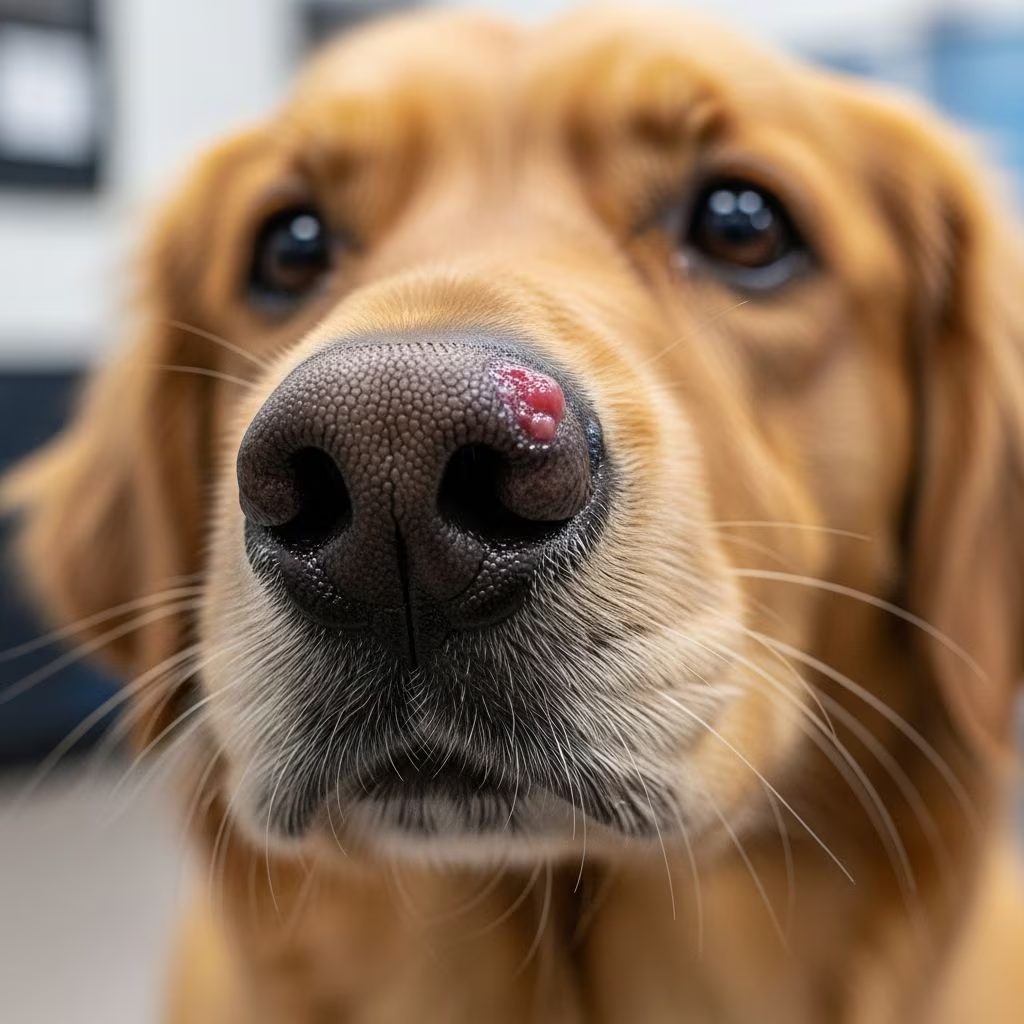
Squamous cell carcinoma (SCC) is one of the most common skin cancers affecting dogs, particularly those with light-colored or non-pigmented skin exposed to significant sun exposure. This malignant tumor develops from the squamous cells in the epidermis, the outermost layer of skin. Understanding the characteristics, symptoms, and treatment options for SCC is essential for dog owners seeking to protect their pets’ health and make informed decisions about their care.
What is Squamous Cell Carcinoma?
Squamous cell carcinoma is a type of skin cancer that originates in the squamous cells lining the surface of the skin. In dogs, SCC typically appears as a localized tumor, though it can metastasize to other areas of the body in more advanced cases. The condition is particularly common in older dogs and breeds with light-colored or white coats, such as Dalmatians, Bull Terriers, and Beagles. Chronic sun exposure is a primary risk factor, making SCC more prevalent in dogs living in sunny climates or those that spend extended periods outdoors.
The tumor usually develops on areas with minimal hair coverage or areas frequently exposed to ultraviolet radiation. Common sites include the ventral abdomen, preputial area, scrotal region, and inguinal skin. Additionally, SCC can develop in the oral cavity, nasal planum (nose), and other mucosal surfaces, though these presentations differ somewhat from cutaneous (skin) SCC in terms of symptoms and prognosis.
Recognizing Symptoms of Squamous Cell Carcinoma
Early detection of squamous cell carcinoma significantly improves treatment outcomes and prognosis. Dog owners should be vigilant for several characteristic signs indicating potential SCC:
Cutaneous (Skin) SCC Symptoms
Most cutaneous squamous cell carcinomas appear as firm, raised plaques or nodules that are frequently ulcerated. These lesions may have an unusual appearance, sometimes resembling warts or growing outward in an exophytic manner. Specific symptoms include:
– Small sores on the body that appear inflamed, red, or covered in thickened skin- Bloody or ulcerated lesions that may bleed intermittently- Excessive licking or chewing at a specific area of the body- Scabs or crusted areas that persist or worsen over time- Discharge or foul odor from the lesion site- Secondary skin infections around the tumor area
Location-Specific Symptoms
When squamous cell carcinoma affects the digits (toes) or nails, additional signs may include missing toenails, blood on the floor or pet bedding, changes in gait, or reluctance to walk or place weight on the affected limb. If SCC develops on the ear pinnae (outer ear), dogs may shake their head excessively or show sensitivity when the area is touched.
Oral SCC Symptoms
Squamous cell carcinoma in the oral cavity presents distinct symptoms affecting eating and drinking. These may include excessive drooling with or without blood, difficulty swallowing or chewing, loss of appetite leading to weight loss, halitosis (bad breath), loose teeth, facial swelling, abnormal salivation, and oral hemorrhage. Some dogs may also experience a nagging cough or difficulty breathing if the tumor grows large enough to obstruct the airway.
Diagnosis of Squamous Cell Carcinoma
Accurate diagnosis is crucial for determining the best treatment approach and establishing a realistic prognosis. Veterinarians typically employ several diagnostic methods:
Physical Examination
The initial step involves a thorough physical examination where the veterinarian evaluates the appearance, size, and location of any suspicious lesions. Palpation of lymph nodes helps determine if the cancer has spread to the lymphatic system.
Tissue Sampling and Microscopic Examination
To confirm a diagnosis of squamous cell carcinoma, veterinarians depend on microscopic examination of tissue samples. Several sampling techniques may be employed:
– Fine needle aspiration with cytology (FNAC): A minimally invasive procedure where a small needle is inserted into the lesion to collect cells for microscopic examination- Punch biopsy: A small circular piece of tissue is removed using a specialized tool, providing a more comprehensive tissue sample- Complete resection: In some cases, the entire suspicious lesion is surgically removed and submitted for pathological examination
Cytology, the microscopic examination of small cell samples, provides valuable information about cell structure and behavior. A more accurate diagnosis helps veterinarians determine the tumor’s grade, aggressiveness, and likelihood of metastasis, which directly influences treatment recommendations and prognosis.
Staging and Additional Diagnostics
Once SCC is confirmed, staging may involve radiographs, ultrasound, or other imaging to determine if the cancer has spread to nearby lymph nodes or distant organs. Blood work provides baseline health information before treatment begins and helps assess whether the dog is a suitable candidate for anesthesia and surgery.
Treatment Options for Squamous Cell Carcinoma
Treatment for squamous cell carcinoma varies based on the tumor’s location, size, degree of invasiveness, and stage of progression. Multiple treatment modalities may be combined to achieve optimal outcomes.
Surgical Excitation
Surgery remains the most well-described and effective treatment for SCC of the skin, including the nose. The goal of surgical excision is complete removal of the tumor with clean margins, meaning no cancer cells remain behind. For skin tumors, surgical margins of at least 2 centimeters around the lesion are recommended to reduce the risk of recurrence.
For tumors involving the digits or pinnae (outer ear), amputation of the affected digit or ear section is often the treatment of choice. Clinical reports suggest that approximately 95% of dogs who underwent amputation showed one-year survival when the tumor was completely removed with adequate margins. If tumors develop in other parts of the digit, one-year survival rates decrease to approximately 60% of cases.
In cases of oral squamous cell carcinoma, surgery may involve removing the tumor along with extensions into underlying tissue and bone. Sometimes partial removal of the jawbone becomes necessary to achieve clean margins. Dogs function remarkably well with partial jaws, and even incomplete surgical removal can extend survival time compared to no surgery.
Radiation Therapy
Radiation therapy does not appear to be very effective as a standalone treatment for SCC of the skin and nose in dogs. However, it may be used in combination with surgery when the tumor cannot be completely removed or when complete removal is not possible. Radiation therapy is more beneficial for unresectable tumors or when surgical margins are incomplete, helping prevent regrowth. For oral SCC, shorter treatment protocols with larger radiation doses, called “palliative radiation,” may be prescribed to manage pain and improve quality of life.
Chemotherapy
The role of chemotherapy in treating cutaneous squamous cell carcinoma is still debated and should be discussed with your veterinarian or veterinary oncologist. However, certain chemotherapy agents have shown promise in specific situations:
– Intralesional chemotherapy using 5-fluorouracil, cisplatin, or carboplatin combined with retinoids has shown fair success rates- Systemic chemotherapy may be considered for advanced or metastatic disease- Combination protocols may improve outcomes in select cases
Advanced Therapeutic Options
Several advanced treatment modalities offer alternatives or adjunctive therapies for squamous cell carcinoma:
Photodynamic Therapy (PDT): This innovative treatment uses drugs activated by light, known as photosensitizers, to destroy cancer cells. An injection of photosensitive chemical is administered to the dog, and only cancerous cells absorb this chemical. A laser beam then selectively destroys only the cancer cells, while the laser harmlessly passes through normal cells that do not absorb the photosensitive chemical. This targeted approach minimizes damage to surrounding healthy tissue.
Cryosurgery: This technique involves freezing and destroying cancer cells with extreme cold. It is particularly useful for early squamous cell carcinomas and may provide a less invasive alternative to traditional surgical excision for small lesions.
Topical Medications: For early or superficial lesions, topical treatments may be applied directly to the tumor site. These medications work locally to destroy cancer cells while minimizing systemic effects.
Retinoid Therapy: Administration of etretinate for 90 days produces total regression of pre-neoplastic lesions, though aggressive lesions show only partial response. Isotretinoin, another synthetic retinoid, combined with controlled localized radiofrequency therapy, has also demonstrated improved results.
Piroxicam Therapy: The nonsteroidal anti-inflammatory drug piroxicam, which possesses immunomodulating effects, has been administered to dogs with nonresectable squamous cell carcinoma. Partial responses were noted in half of treated patients, with a resulting median survival of 150 days.
Palliative and Supportive Care
Pets with SCC, especially the oral version, frequently experience pain and may suffer from poor nutritional status. Before any surgical intervention, pain control and supplemental feeding become priorities. Feeding tubes may be necessary for dogs unable to eat normally. Pain medications and antibiotics to prevent secondary infections are commonly prescribed to maintain comfort and quality of life during treatment and recovery.
Prognosis and Long-Term Outcomes
The prognosis for squamous cell carcinoma in dogs varies significantly based on several factors including tumor location, size, grade, and stage at diagnosis.
Cutaneous SCC Prognosis
When caught early, dogs can make a full recovery from cutaneous squamous cell carcinoma. However, approximately one-third of tumors in this location will metastasize even after amputation of the digit. Tumors that histologically show well-differentiated cells may still metastasize. Unlike oral squamous cell carcinomas, cutaneous SCC can aggressively spread to lymph nodes and beyond. SCC has one of the best prognoses compared to other types of canine cancer if diagnosed before metastasis occurs, and surgical removal of small, non-metastatic SCC tumors is often curative.
Factors Affecting Prognosis
– Tumor size and invasiveness at diagnosis- Completeness of surgical excision and achievement of clean margins- Tumor grade and differentiation of cancer cells- Location of the lesion- Dog’s age and overall health status- Presence or absence of metastasis- Response to initial treatment
Frequently Asked Questions About Canine Squamous Cell Carcinoma
Q: What breeds are most susceptible to squamous cell carcinoma?
A: White-skinned, short-haired breeds such as Dalmatians, Bull Terriers, and Beagles are most commonly affected due to their light skin pigmentation and reduced UV protection. Older dogs and those with significant sun exposure are at higher risk.
Q: Is squamous cell carcinoma contagious between dogs?
A: No, squamous cell carcinoma is not contagious and cannot be transmitted from one dog to another. It is a cancer that develops due to cellular mutations within an individual dog’s skin.
Q: Can squamous cell carcinoma be prevented?
A: While complete prevention is impossible, limiting sun exposure, particularly during peak UV hours, can significantly reduce risk. Using pet-safe sunscreen, providing shade, and limiting outdoor time for high-risk dogs may help prevent SCC development.
Q: What is the survival rate for dogs with squamous cell carcinoma?
A: Survival rates vary based on tumor location and completeness of treatment. Dogs with small, non-metastatic cutaneous SCC treated with complete surgical excision may have excellent survival rates, with approximately 95% surviving one year when digits are amputated with adequate margins.
Q: How quickly does squamous cell carcinoma progress?
A: Progression varies significantly. Some tumors grow slowly over months or years, while others may progress more rapidly. Regular veterinary monitoring helps detect changes early and allows for timely intervention.
Q: Can my dog undergo anesthesia safely for SCC surgery?
A: Pre-operative blood work and physical examination help determine if your dog is a suitable candidate for anesthesia. Most healthy dogs can safely undergo surgery, though individual factors must be considered and discussed with your veterinarian.
Q: What follow-up care is needed after SCC treatment?
A: Regular follow-up veterinary examinations are essential to monitor for recurrence or metastasis. Your veterinarian may recommend periodic imaging, physical exams, and ongoing preventive measures to protect your dog’s health.
References
- Squamous Cell Carcinoma (SCC) In Dogs Explained — We Are The Cure. 2024. https://wearethecure.org/learn-more-about-canine-cancer/canine-cancer-library/squamous-cell-carcinoma/
- Squamous Cell Carcinoma (SCC) in Dogs — PetMD. 2024. https://www.petmd.com/dog/conditions/cancer/squamous-cell-carcinoma-scc-dogs
- Squamous Cell Carcinomas (Skin & Oral) in Dogs & Cats — Long Beach Animal Hospital. 2024. https://lbah.com/canine/squamous-cell-carcinoma-in-dogs/
- Squamous Cell Carcinoma in Dogs — Vetster. 2024. https://vetster.com/en/conditions/dog/squamous-cell-carcinoma
- Squamous Cell Carcinomas in Dogs — VCA Animal Hospitals. 2024. https://vcahospitals.com/know-your-pet/squamous-skin-cell-carcinoma-in-dogs
- Medical Oncology: 5 Types of Skin Cancer in Dogs — NC State College of Veterinary Medicine. 2024. https://hospital.cvm.ncsu.edu/services/small-animals/cancer-oncology/oncology/5-types-of-skin-cancer-in-dogs/
- Oral Squamous Cell Carcinomas In Dogs — PetCure Oncology. 2024. https://petcureoncology.com/oral-squamous-cell-carcinomas-in-dogs/



