

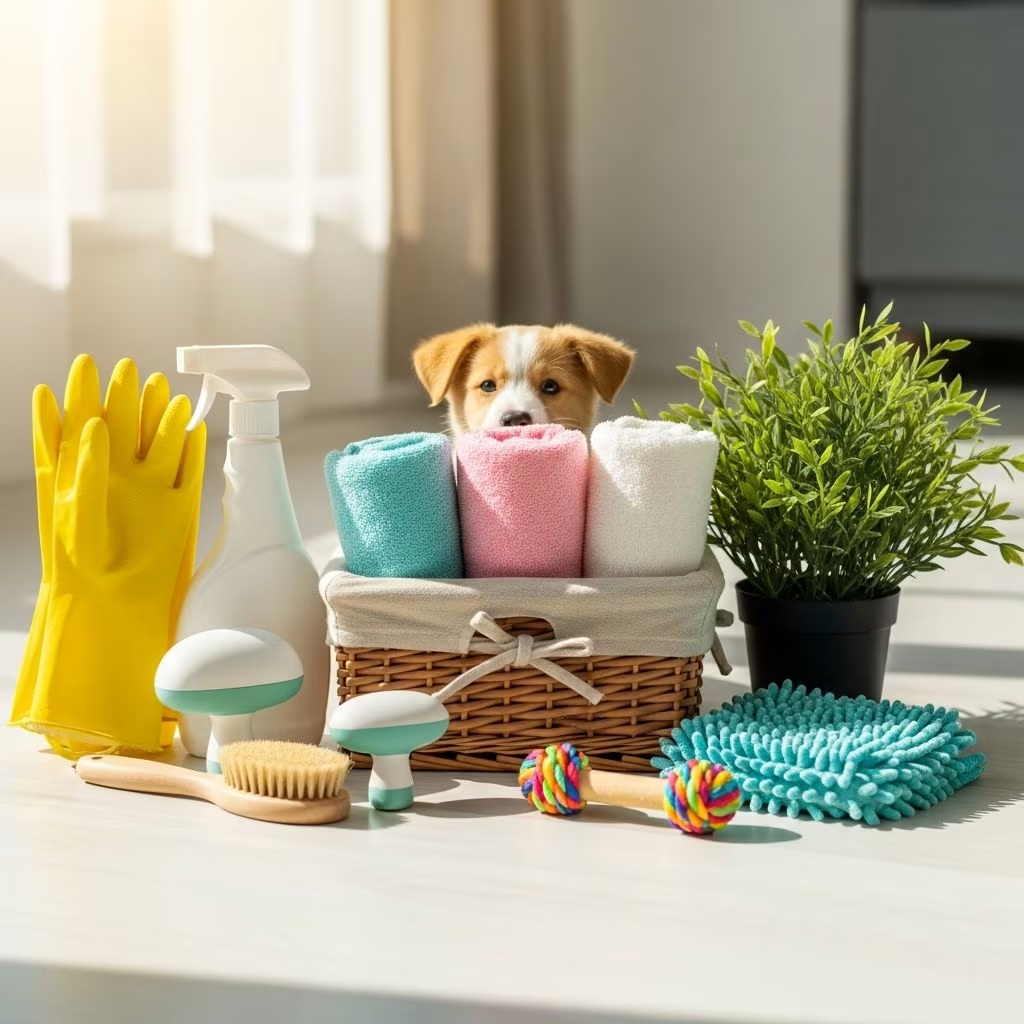
Spring Cleaning Tips for Pet Parents: A Comprehensive Guide
As the seasons change and warmer weather approaches, spring is the perfect time to refresh your home and ensure it remains a safe, healthy environment for your beloved pets. Spring cleaning goes beyond regular maintenance—it’s an opportunity to tackle deep cleaning projects that accumulate throughout the year. For pet parents, this seasonal reset is especially important, as pets contribute to hair accumulation, dander buildup, and potential allergens that require thorough attention. Unlike regular daily cleaning routines like sweeping up pet hair or washing food bowls, spring cleaning requires extra effort to address areas often overlooked during routine maintenance.
Understanding the Difference: Spring Cleaning vs. Regular Cleaning
Regular cleaning for pet parents typically involves daily tasks such as sweeping up fur, scooping litter boxes, and washing water bowls. Spring cleaning, however, takes these routines several steps deeper and tackles projects that help prolong the life of your home, belongings, and appliances. It’s the chance to complete a comprehensive overhaul that addresses accumulated pet-related grime, odors, and potential health hazards. This seasonal deep clean establishes a foundation for better maintenance habits throughout the year.
Getting Started: Assessment and Planning
Before diving into your spring cleaning project, take time to assess your home thoroughly. Identify high-traffic areas where pet hair and dander accumulate, surfaces requiring deep sanitation, and equipment that may need repair or replacement. Create a detailed checklist to ensure nothing gets overlooked during your cleaning marathon. Breaking the project into manageable tasks and assigning them across different days or weeks makes the workload less overwhelming. Consider starting with decluttering on the first day, then progressing through specific areas each subsequent day to maintain momentum and organization.
Deep Cleaning Your Pet’s Belongings
As parasites, pollen, mold, and dander re-emerge with spring weather, it’s crucial to thoroughly clean all your pet’s belongings. This not only renews their scent but also minimizes your pet’s exposure to seasonal irritants that can cause allergies or health issues.
Items to prioritize include:
– Pet beds and bedding- Collars and leashes- Food and water bowls- Toys and chew toys- Car seat covers- Food mats and rugs- Food storage containers- Blankets and cushions
When washing bedding and toys, use hot water and pet-friendly detergent to eliminate bacteria and parasites. Inspect all toys for signs of wear, damage, or loose parts that could pose choking hazards, and replace damaged items immediately. For pet beds, choose options with waterproof, washable covers for easier maintenance. Before washing, remove as much pet hair and dirt as possible to maximize cleaning effectiveness.
Tackling Pet Hair and Dander: Cleaning Top to Bottom
One of the primary challenges for pet parents is managing pet hair, which seems to stick to everything in your home. Spring cleaning is the ideal time to address this comprehensively.
Walls and Baseboards
Pet hair and grease accumulate on walls, especially in areas where pets frequently rest or pass through. Identify spots where your cat rubs against the hallway or where your dog’s bed sits, as these areas collect greasy, dander-filled gunk. Use a gentle soap and soft cloth to wash walls and baseboards thoroughly. Start from the top of each room and work your way down to prevent dirty water from dripping onto already-cleaned surfaces.
Windows and Hard Surfaces
Windows accumulate nose prints and paw marks that detract from your home’s appearance. Give all windows a thorough polish during spring cleaning. Additionally, clean all hard surfaces, doorknobs, light switches, and areas pets frequently contact to eliminate bacteria and viruses.
Carpets and Rugs
Carpets and upholstery harbor embedded pet hair and dander. Begin by vacuuming thoroughly, then use a light misting of water and fabric softener followed by a stiff-bristled brush to loosen and lift embedded hairs. Consider using a carpet cleaner machine for deeper cleaning, or take larger rugs outside to air out. For stubborn pet hair, lint rollers and pet-hair removers are effective tools after vacuuming.
Addressing Your HVAC System and Air Quality
Pet hair and dander easily clog ventilation systems, reducing efficiency and air quality in your home. As part of your spring cleaning routine, address all filters and vents.
Air Filters and Return Vents
HVAC filters, water fountain filters, fan filters, air purifier filters, and even vacuum filters become clogged with pet dander and fur. Inspect all filters, clean or replace them as needed, and consult manufacturer recommendations for replacement schedules. Unscrew return vent covers, vacuum out the insides, and clean the grates thoroughly. Floor vents should also receive attention to remove accumulated fur and dust that impedes airflow.
Additional Air Quality Steps
If your pet uses a front-vent design on any appliances, unclip and vacuum the hair accumulation. These areas are often overlooked but significantly impact system efficiency and air quality.
Kitchen Deep Clean for Pet Parents
Pet food storage, supplement containers, and pet-specific items create unique challenges in the kitchen. Pet parents often find their refrigerators accumulating spills from thawing frozen pet food, salmon for medication, canned food, or liquid supplements.
Deep clean your refrigerator by removing shelves and drawers, wiping down all surfaces, and vacuuming the back and sides where pet hair collects. This prevents odors and maintains food safety for both your family and pets. Check food storage containers for proper sealing and replace any damaged containers. Organize your pet food storage area to maximize space and maintain freshness.
Sanitizing Surfaces and Preventing Illness
While disinfecting surfaces should be a daily task, spring cleaning offers an opportunity to go beyond routine measures with comprehensive sanitization.
Pet-Safe Disinfection Methods
Focus on all areas where pets spend time, including sleeping areas, feeding stations, play zones, and grooming spaces. Use only pet-safe, veterinary-approved disinfectants that effectively kill bacteria and viruses without harming your animals. Steam cleaning provides an effective, chemical-free alternative for sanitizing surfaces. Pay special attention to:
– Pet beds, crates, and play areas- Feeding stations and food storage areas- Grooming tables and bathing areas- Floors, walls, and baseboards- Doorknobs, light switches, and frequently touched surfaces
Floor and Drain Care
Pet care areas experience heavy foot and paw traffic, making floors critical hygiene focal points. Scrub and disinfect all flooring types, including tile, rubber, linoleum, and concrete. Ensure drains are clear and functioning properly. Use enzymatic cleaners to break down organic matter that accumulates in drains. Consider applying slip-resistant flooring treatments to enhance safety for both pets and household members, preventing injuries from sudden movements or wet surfaces.
Pest Control and Spring Hazard Prevention
Spring marks the beginning of flea, tick, and pest season. Review your current pest control protocol and implement preventative measures.
Seasonal Pest Prevention
Deep clean storage areas and eliminate potential food sources that attract unwanted pests. Consider working with a professional pest control service for comprehensive treatment. Natural deterrents like diatomaceous earth and essential oil sprays offer additional protection without harsh chemicals. Spring is also the time to update your pet’s flea and tick prevention medications if recommended by your veterinarian.
Home and Yard Safety Assessment
Survey your home and yard for potential hazards that could harm your pet:
– Put away gardening equipment immediately after use- Store herbicides and pesticides in secure, pet-proof locations- Place all household cleaners in designated pet-safe storage- Close windows and doors securely before leaving home- Identify and remove toxic plants from indoor and outdoor areas- Inspect fence lines carefully for weak spots, gaps, or damage and repair immediately- Remove any debris, sticks, or objects that could be choking hazards
Grooming and Seasonal Coat Management
Most pets shed heavily at the beginning of spring as they transition from winter coats. Incorporate thorough grooming into your spring cleaning routine to minimize shedding and reduce hair accumulation throughout your home.
Grooming Best Practices
Schedule regular brushing sessions, ideally outdoors where loose hair doesn’t accumulate indoors. For dogs with heavy shedding, brush several times weekly until winter coat shedding completes. Cat parents may need to use glove brushes or other tools for reluctant groomers. This is also an ideal time to schedule nail trimming, teeth brushing, and other grooming tasks. Add these maintenance tasks to your calendar to establish consistent habits throughout the year.
Consider the environmental benefit of collecting loose pet hair and offering it to backyard birds for nest building, turning a cleaning byproduct into an eco-friendly resource.
Eco-Friendly Cleaning Solutions for Pet-Safe Homes
Pet parents seeking to reduce environmental impact can implement eco-friendly cleaning practices without compromising cleanliness or safety.
Sustainable Cleaning Options
Switch to plant-based disinfectants that effectively clean without toxic chemicals harmful to pets or the environment. Use reusable microfiber cleaning cloths instead of disposable paper towels. Implement water-efficient mopping systems and cleaning methods. Non-toxic solutions protect pets, staff, and the broader environment while maintaining sanitation standards.
Creating a Spring Cleaning Schedule
To prevent feeling overwhelmed, spread your spring cleaning across several weeks using this suggested schedule:
– Week One: Declutter all areas and remove unnecessary items- Week Two: Clean walls, baseboards, and trim- Week Three: Deep clean carpets, rugs, and upholstery- Week Four: Tackle kitchen, refrigerator, and food storage areas- Week Five: Clean all floors and apply treatments as needed- Week Six: Sanitize surfaces, windows, and remaining areas
Establishing Ongoing Maintenance Routines
Don’t let your spring cleaning efforts fade after a few weeks. Use this reset as a launching pad for sustainable maintenance habits. Establish daily, weekly, and monthly cleaning routines that keep your home clean without requiring another intense deep-cleaning session. Daily tasks might include quick vacuuming and surface wipes, weekly tasks could involve thorough floor cleaning and laundry, while monthly tasks address windows and baseboards. By maintaining consistency, you’ll preserve your spring-cleaned home throughout the year.
Essential Tools for Efficient Pet Parent Spring Cleaning
Invest in quality cleaning tools that make your spring cleaning faster and more effective. A cordless stick vacuum efficiently removes pet hair from various surfaces. Microfiber cleaning cloths trap dust and dander effectively. A quality carpet cleaner machine handles deep cleaning of carpets and upholstery. Enzymatic cleaners break down organic matter in drains and eliminate odors. Pet-safe disinfectants ensure thorough sanitation without harming animals. These tools streamline your cleaning process and improve results.
Frequently Asked Questions
Q: How often should I wash my pet’s bedding during spring?
A: During spring when allergens and parasites are prevalent, wash pet bedding weekly in hot water. Some pet parents prefer twice-weekly washing during heavy shedding seasons. Regular washing prevents odor accumulation and reduces parasite and allergen exposure.
Q: Are all disinfectants safe to use around pets?
A: No. Always use veterinary-approved, pet-safe disinfectants. Avoid phenol-containing products, bleach solutions, and harsh chemicals that can cause respiratory issues or skin irritation. Steam cleaning offers a chemical-free alternative for sanitation.
Q: What should I do with old pet toys that are damaged?
A: Discard damaged toys immediately, as loose parts, tears, or deterioration create choking hazards. Replace with new toys appropriate for your pet’s size and play style. Inspect all toys regularly for signs of wear.
Q: How can I reduce pet hair accumulation between spring cleanings?
A: Maintain regular brushing schedules, especially during shedding seasons. Vacuum frequently, use lint rollers on furniture, and wash pet bedding regularly. Grooming and maintenance are key to minimizing hair accumulation.
Q: Can I use natural cleaning products for spring cleaning with pets?
A: Yes. Plant-based disinfectants, vinegar and water solutions, and baking soda are effective and pet-safe alternatives. Always verify that any product you use is safe for pets before application.
Q: How long does a complete spring cleaning typically take?
A: Most comprehensive spring cleans take 4-6 weeks when spread across weekly tasks. Concentrated cleaning without breaks might take 2-3 weeks but can be physically demanding for pet parents.
References
- Spring Cleaning Tips for Pet Care Facilities: Hygiene & Safety — Kennel Connection. 2024. https://kennelconnection.com/blog/spring-cleaning-tips-for-pet-care-facilities/
- Pet Owner’s Springtime Checklist — Alexandria Veterinary Clinic. 2024. https://www.alexvet.com/blog?article_id=pet-owners-springtime-checklist
- The Ultimate Guide to Spring Cleaning for Pet Parents — Oh My Dog! 2023. https://ohmydogblog.com/2023/04/spring-cleaning-for-pet-parents/
- Yearly Home Cleaning Guide for Pet Owners — American Kennel Club. 2024. https://www.akc.org/expert-advice/home-living/spring-cleaning-guide-pet-owners/
- Spring Cleaning as a Pet Owner — Zoetis Petcare. 2024. https://www.zoetispetcare.com/blog/article/spring-cleaning-pet-owner
- Spring Cleaning for Pet Owners: A Fresh Start for You & Your Pet — CareVets. 2025. https://carevets.com/blog/2025/03/04/spring-cleaning-for-pet-owners-a-fresh-start-for-you-your-pet/
- Steps to Start Spring Cleaning for Your Furry Friends — Adobe Animal Hospital. 2024. https://www.adobeanimalhosp.com/blog/steps-to-start-spring-cleaning-for-your-furry-friends/



