

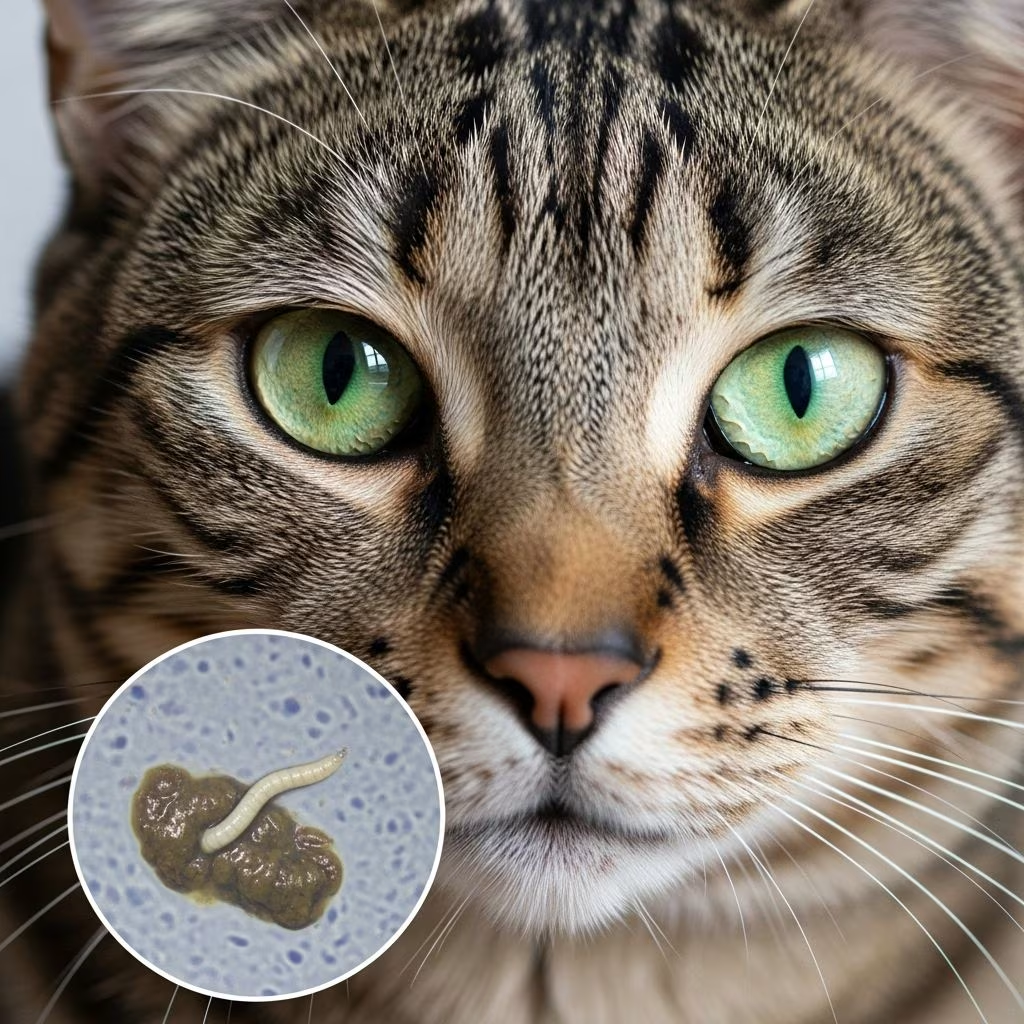
Intestinal parasites pose a significant threat to feline health, with worms being among the most prevalent issues affecting cats of all ages. These parasites can lead to malnutrition, digestive disturbances, and even severe complications if left untreated. Understanding how to recognize these invaders is crucial for every cat owner, as early detection can prevent long-term damage. This comprehensive guide explores the primary types of worms that infect cats, their physical characteristics, transmission routes, clinical signs, diagnostic approaches, treatment protocols, and proactive prevention measures.
Why Worms Are a Major Concern for Cats
Cats encounter worms through various everyday activities, such as hunting, grooming, or interacting with contaminated environments. Kittens are particularly vulnerable, often inheriting infections from their mothers via milk or close contact. Adult cats, especially outdoor roamers, face higher risks due to exposure to infected prey or feces. These parasites rob cats of vital nutrients, compromise their immune systems, and can transmit to humans in some cases, making vigilant monitoring essential.
Statistics indicate that up to 75% of cats may harbor roundworms at some point, highlighting the ubiquity of these threats. Ignoring subtle signs can escalate to life-threatening conditions, particularly in young or debilitated felines.
Primary Types of Intestinal Worms in Felines
Several worm species commonly infest cat gastrointestinal tracts. Each has distinct morphologies, habitats, and impacts, aiding in preliminary identification.
Roundworms: The Most Prevalent Feline Parasite
Roundworms, scientifically known as Toxocara cati or Toxascaris leonina, top the list of frequent invaders. These cream-colored, spaghetti-like nematodes measure 3 to 6 inches long and float freely in the small intestine without attaching to walls. They thrive by consuming digested food, producing prolific eggs shed in feces.
Kittens often acquire them transplacentally or through nursing, while adults ingest eggs from soil, prey like rodents or birds, or contaminated feces. Visible worms in vomit or stool signal heavy burdens, which can block intestines or cause pot-bellied appearances in kittens.
Hookworms: Tiny Blood-Sucking Predators
Hookworms, such as Ancylostoma tubaeforme, are slender, thread-like nematodes under half an inch long. Their hook-shaped mouths anchor into intestinal linings, siphoning blood and tissues. This leads to anemia, dark tarry stools, and rapid weight loss, posing severe risks to kittens.
Transmission occurs via skin penetration from larvae in soil or ingestion of infected prey. Though microscopic to the naked eye, their eggs appear in fecal exams.
Tapeworms: Segmented Intestinal Residents
Dipylidium caninum dominates tapeworm infections in cats. These flat, ribbon-like cestodes grow up to 11 inches, comprising segments that detach and resemble rice grains around the anus or in bedding. They latch onto small intestines using hook-like structures, absorbing nutrients.
Fleas serve as intermediate hosts; cats ingest them during grooming, completing the lifecycle. Rodent consumption also spreads them. Unlike roundworms, tapeworms rarely cause blockage but contribute to weight loss and anal itching.
Less Common but Notable Worms
- Whipworms: Rare in cats, these 2-3 inch worms have a whip-like shape with thicker and thinner ends. Diagnosed via microscopic egg detection.
- Stomach Worms: Species like Ollanulus tricuspis and Physaloptera embed in stomach linings, often from eating infected rodents. They provoke vomiting and weight loss without visible worms.
- Bladder Worms: Capillaria feliscati inhabits urinary tracts, causing painful urination and incontinence up to 2 inches long.
Recognizing Symptoms of Worm Infestations
Worm burdens manifest through gastrointestinal and systemic signs. Common indicators include:
- Persistent diarrhea, sometimes bloody or mucoid
- Vomiting, potentially containing adult worms
- Swollen, pot-bellied abdomen, especially in kittens
- Lethargy, poor coat condition, and stunted growth
- Weight loss despite normal appetite
- Visible segments or worms in feces, vomit, or around anus
- Anemia signs like pale gums and weakness from hookworms
Subtle cases may show only mild appetite changes, underscoring the need for routine vet checks.
How Cats Contract These Parasites
| Worm Type | Primary Transmission Routes |
|---|---|
| Roundworms | Mother’s milk, contaminated soil/prey, feces ingestion |
| Hookworms | Larvae skin penetration, oral ingestion from environment |
| Tapeworms | Flea grooming, infected rodent consumption |
| Stomach/Bladder Worms | Ingesting parasitized intermediate hosts |
Outdoor access amplifies risks, but indoor cats aren’t immune via fleas or unclean litter.
Diagnosis: Confirming a Worm Presence
Veterinarians rely on fecal flotation tests to detect eggs under microscopy, as many worms evade naked-eye spotting. Multiple samples may be needed for intermittent shedders. Advanced imaging or bloodwork assesses anemia or organ impacts. Home observation of rice-like segments strongly suggests tapeworms, prompting immediate vet consultation.
Treatment Strategies for Infected Cats
De-wormers like pyrantel, fenbendazole, or praziquantel target specific worms, often in multi-dose regimens. Broad-spectrum products cover roundworms, hookworms, and tapeworms. Kittens require weight-appropriate dosing; pregnant queens need vet-approved options to avoid larval transmission.
Treatments eliminate adults and larvae, but re-infection demands environmental cleaning—vacuuming, washing bedding, and flea control. Follow-up fecals confirm clearance, typically 2-4 weeks post-treatment.
Prevention: Keeping Worms at Bay
Proactive measures minimize risks:
- Administer monthly broad-spectrum preventives from 2 weeks old
- Maintain rigorous flea control; treat all household pets
- Scoop litter daily; dispose waste securely
- Limit hunting; feed commercial diets
- Annual fecal exams, even for indoor cats
- Avoid raw meat; freeze prey if feeding
Consistent routines yield healthy, parasite-free cats.
Zoonotic Risks: Can Cats Transmit Worms to Humans?
Roundworms pose zoonotic threats, especially to children via fecal-oral routes, potentially causing visceral larva migrans. Hookworms may penetrate human skin. Good hygiene—handwashing post-litter handling, covering sandboxes—mitigates dangers. Tapeworms rarely affect humans without flea ingestion.
FAQs on Feline Worms
Can indoor cats get worms?
Yes, via fleas, contaminated items, or vertical transmission.
How often should I de-worm my cat?
Follow vet schedules: every 2 weeks until 6 months, then monthly.
Are worms visible in cat poop?
Roundworms and tapeworm segments often are; hookworms require lab tests.
What if my cat has worms while pregnant?
Use safe de-wormers; consult vet to protect kittens.
Do natural remedies work for cat worms?
Limited evidence; vet-prescribed meds are reliable.
References
- Identify Types Of Worms In Cats — SHEBA Philippines. 2023. https://www.sheba.com.ph/cat-language-of-love/general-care-articles/cat-worms
- Worms in Cats — PetMD. 2024-01-15. https://www.petmd.com/cat/conditions/infectious-parasitic/worms-cats
- What are the most common cat parasites? — Wellesley Animal Hospital. 2021-07-01. https://www.wellesleyanimalhospital.ca/en-ca/resources/blog/july-2021/most-common-parasites-in-cats
- Everything You Need to Know About Worms in Cats — Small Door Veterinary. 2024. https://www.smalldoorvet.com/learning-center/medical/worms-in-cats
- Gastrointestinal Parasites of Cats — Cornell University College of Veterinary Medicine. 2023-05-10. https://www.vet.cornell.edu/departments-centers-and-institutes/cornell-feline-health-center/health-information/feline-health-topics/gastrointestinal-parasites-cats
- Types of Worms in Cats: Signs, Treatment & Prevention — Virbac India. 2024. https://in.virbac.com/home/every-advice/pagecontent/every-advice/fleas-ticks-worms/types-of-worms-in-cats-a-comprehensive-guide-to-identifying-and.html



