
Urinary Issues In Horses: 5 Key Signs Every Owner Should Know
Learn to identify early signs of kidney and urinary tract problems in horses for timely intervention and better outcomes.
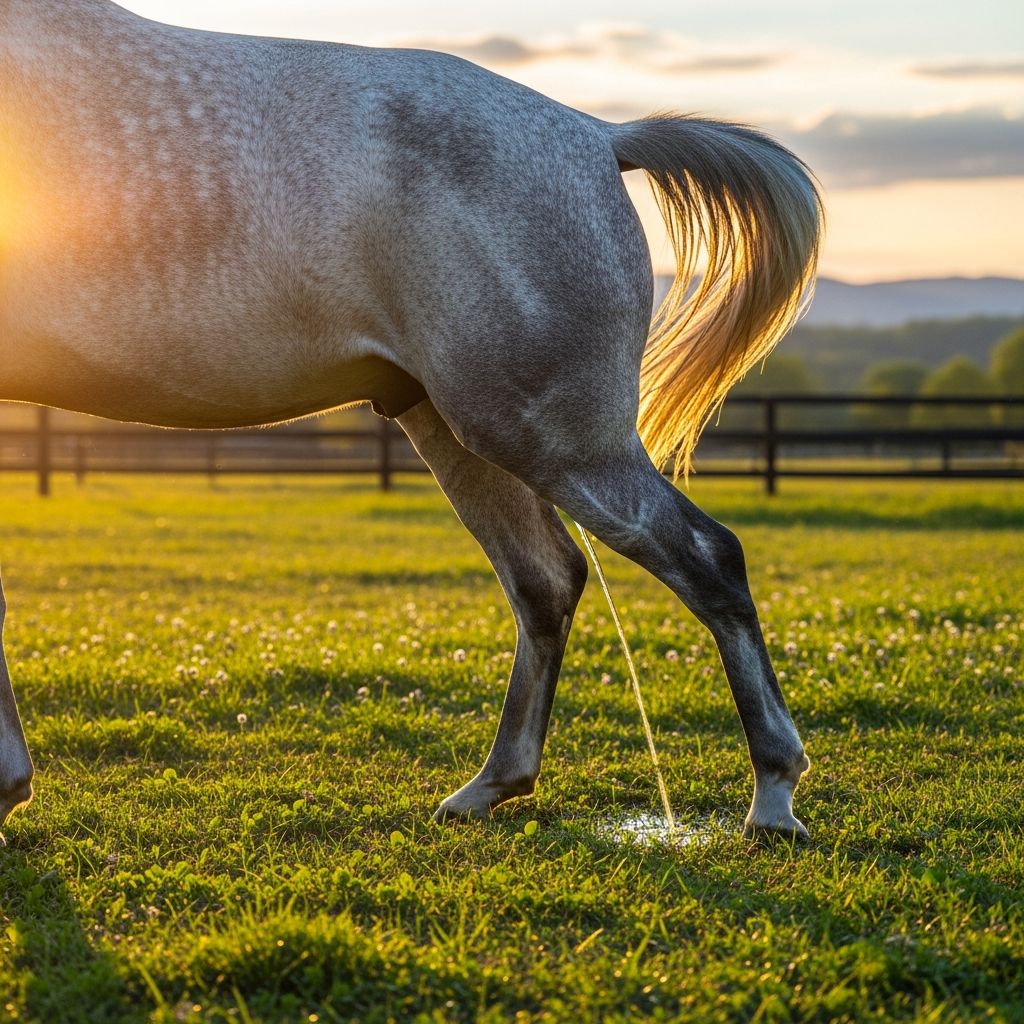
Horses generally maintain robust urinary systems, but when disorders arise, they can escalate quickly, impacting overall health and performance. Owners play a crucial role in observing subtle changes that signal kidney or urinary tract problems, enabling early veterinary intervention to prevent severe complications like organ failure.
Understanding the Equine Urinary System
The urinary system in horses includes the kidneys, ureters, bladder, and urethra, all working to filter waste, regulate fluids, and maintain electrolyte balance. Kidneys filter blood to produce urine, which travels through ureters to the bladder for storage before exiting via the urethra. Disruptions anywhere along this path can lead to infections, blockages, or chronic damage. Mares and foals face higher risks due to anatomical differences, such as shorter urethras in females that allow easier bacterial ascent.
Common Signs of Urinary Tract Trouble
Early detection hinges on recognizing behavioral and physical changes. Horses with urinary issues often show discomfort during elimination or altered urination patterns.
- Frequent attempts to urinate: Horses may strain or posture repeatedly without producing much urine, indicating irritation or obstruction.
- Changes in urine appearance: Look for blood-tinged, cloudy, dark, or unusually pale urine, sometimes with a strong ammonia odor.
- Painful urination: Signs include tail swishing, vocalizing, or restlessness while urinating.
- Incontinence or dribbling: Urine leakage, especially post-exercise, can cause skin scalding around the vulva or prepuce.
- Increased thirst and urination volume: Polydipsia and polyuria suggest kidney involvement, where horses drink and void excessively to compensate for poor filtration.
These symptoms vary by disorder severity; mild cases might only show subtle lethargy, while advanced ones present with fever and depression.
Kidney Disease: Acute vs. Chronic
Kidney problems in horses fall into two categories: acute, which strikes suddenly from toxins, infections, or trauma, and chronic, developing gradually from ongoing damage.
| Type | Causes | Key Symptoms | Prognosis |
|---|---|---|---|
| Acute Kidney Disease | Infections (pyelonephritis), dehydration, heatstroke, shock, colic, toxins | Sudden lethargy, anorexia, fever, oliguria (low urine), edema | Good with prompt treatment; many recover fully |
| Chronic Kidney Disease | Prolonged infections, congenital defects, repeated obstructions | Gradual weight loss, poor coat, dental issues (ulcers, tartar), ventral edema | Managed long-term; not curable, but supportive care extends life |
Acute cases demand immediate action, as kidneys can shut down rapidly. Chronic conditions often go unnoticed until significant function is lost, mimicking aging or colic.
Specific Disorders Affecting the Urinary Tract
Urinary Tract Infections (UTIs)
UTIs primarily strike the lower tract (bladder, urethra) in mares and foals. Bacteria ascend from the exterior, causing cystitis. Symptoms include scalding, straining, and hematuria. Complications like fungal overgrowth from antibiotics or stone formation can recur if untreated.
Bladder and Kidney Stones (Urolithiasis)
Horses excrete excess calcium via urine, predisposing them to calculi. Stallions and geldings suffer urethral blocks, leading to colic-like pain and rupture risk. Mares pass stones more easily but develop infections. Diagnosis involves ultrasound; treatment ranges from flushing to surgery.
Congenital Abnormalities
Birth defects like renal dysplasia (underdeveloped kidneys), polycystic kidneys (fluid-filled cysts), or urachal remnants (patent urachus in foals) cause lifelong issues. Foals show urine scalding at the navel; adults exhibit polyuria. Ultrasonography or biopsy confirms these.
Obstructions and Ruptures
Tumors, clots, or stones block flow, causing post-renal azotemia. Bladder paralysis from nerve damage or rupture in neonates (often geldings) proves fatal without surgery. Signs: anuria, abdominal distension, shock.
Advanced Symptoms Indicating Systemic Impact
As disorders progress, toxins accumulate, poisoning the body. Watch for:
- General malaise: Depression, weakness, reduced performance.
- Edema and ascites: Swelling in legs, ventral abdomen from fluid retention.
- Oral lesions: Mouth ulcers, gum inflammation from uremia.
- Gastrointestinal signs: Anorexia, colic, diarrhea.
- Cardiovascular effects: Hypertension, ventral edema.
These overlap with liver disease or colic, necessitating differential diagnosis.
Diagnostic Approaches for Horse Owners
Veterinarians use a multi-step process:
- History and exam: Note diet, water intake, recent illness, breed (Appaloosas prone to cysts).
- Urinalysis: Checks concentration, protein, blood, bacteria, crystals.
- Bloodwork: Elevated BUN, creatinine signal azotemia; electrolytes assess balance.
- Imaging: Ultrasound detects stones, cysts, dilation; contrast x-rays for urachal issues.
- Biopsy: Definitive for dysplasia or cancer.
Owners can aid by tracking urine output relative to water consumption and collecting clean samples.
Management and Prevention Strategies
While some conditions require hospitalization, outpatient care focuses on hydration, diet, and monitoring.
- Fluid therapy: IV or oral to flush toxins in acute cases.
- Antibiotics: Culture-guided for infections; avoid overuse to prevent resistance.
- Dietary changes: Low-protein, balanced calcium feeds reduce stone risk.
- Surgery: For stones, ruptures, or congenital defects.
- Supportive care: Probiotics for gut health post-antibiotics.
Prevention includes clean water, parasite control, prompt colic treatment, and avoiding nephrotoxins like NSAIDs overuse. Regular dentals prevent secondary issues from uremia.
FAQs on Equine Urinary Health
What causes frequent urination in my horse?
Polyuria often stems from kidney dysfunction, diabetes, or Cushing’s; vet evaluation rules out UTIs or stones.
Can horses recover from kidney failure?
Acute failure has high recovery rates with aggressive therapy; chronic is managed palliatively.
Why do foals get more urinary infections?
Immature immunity and urachal issues allow bacterial entry; monitor navels closely.
Is blood in urine always serious?
Post-exercise hematuria can be benign, but persistent cases warrant imaging for stones or tumors.
How do I collect a urine sample at home?
Use a clean bucket under the horse or mid-stream catch; refrigerate and deliver promptly.
When to Call the Vet Urgently
Seek immediate help for straining without urine, collapse, severe colic, or swelling. Early action saves lives and kidneys.
References
- Equine Urinary Tract Disorders — Oleno Vet. Accessed 2026. https://www.olenovet.com/equine-urinary-tract-disorders.php
- Symptoms of Kidney Failure in Horses — Cave Creek Equine Vet. Accessed 2026. https://www.cahosp.com/post/what-are-the-symptoms-of-kidney-failure-in-horses
- Congenital and Inherited Disorders of the Urinary System in Horses — Merck Veterinary Manual. Accessed 2026. https://www.merckvetmanual.com/horse-owners/kidney-and-urinary-tract-disorders-of-horses/congenital-and-inherited-disorders-of-the-urinary-system-in-horses
- Urology — University of Missouri Veterinary Health Center (.edu). Accessed 2026. https://vhc.missouri.edu/equine-hospital/internal-medicine/urology/
- Kidney and Liver Problems — Park City Equine Center. Accessed 2026. https://www.parkcityequinecenter.com/horse-vet-blog/kidney-and-liver-problems
Similar Articles








Read full bio of Sneha Tete


