

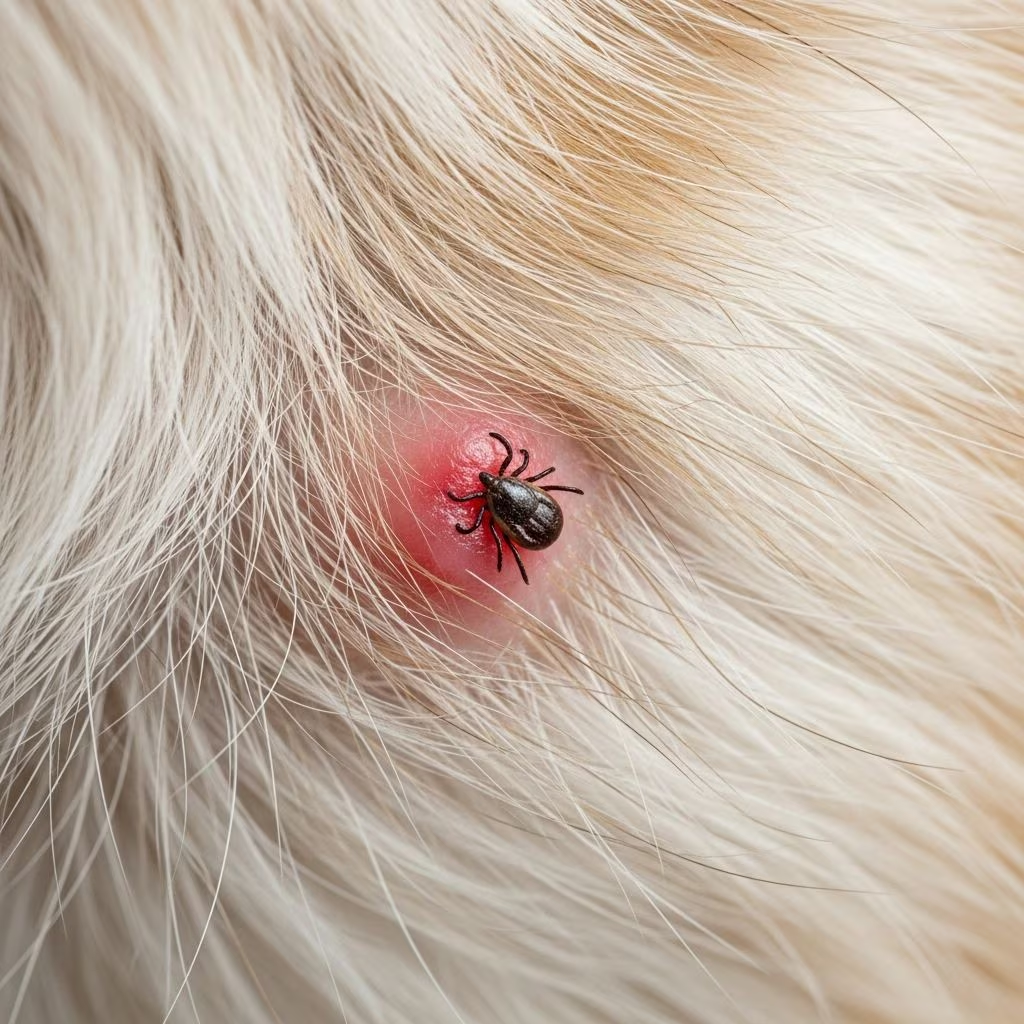
Tick bites pose a serious threat to dogs, often going unnoticed until they lead to discomfort or illness. These parasites latch onto the skin, feeding on blood and potentially transmitting diseases. Recognizing the early signs of a tick bite is crucial for timely intervention and safeguarding your dog’s well-being.
Understanding Ticks and Their Impact on Canines
Ticks are external parasites that thrive in wooded, grassy, or brushy areas, seeking hosts like dogs to complete their life cycle. Once attached, they embed their mouthparts into the skin, creating a feeding site that can become a gateway for bacterial infections or tick-borne pathogens. Dogs exploring outdoors are prime targets, especially during warmer months when ticks are most active.
The danger lies not just in the bite itself but in the diseases ticks carry, such as Lyme disease, ehrlichiosis, and anaplasmosis. These conditions can manifest days or weeks after attachment, making vigilance essential.
Visual Characteristics of Tick Bites
A fresh tick bite on a dog often appears as a small, red bump similar to a mosquito bite, but it may develop into something more distinct. As the tick feeds, the area can swell, forming a raised, inflamed spot. The tick itself might resemble a tiny gray, brown, or black bump, ranging from sesame seed size when unfed to grape-sized when engorged.
- Redness and irritation: The skin around the bite turns pink or red due to the tick’s saliva, which contains anticoagulants and irritants.
- Swelling or a ‘crater’: After removal, a small depression or ‘tick crater’ may remain where the head was embedded.
- Dark scab or spot: Dried blood or tick feces can leave a dark mark, often mistaken for a mole.
In some cases, allergic reactions cause pronounced swelling, particularly from species like the lone star tick. Use a magnifying glass or part the fur to inspect closely, as bites blend into the coat.
Common Local Reactions to Tick Bites
Dogs often exhibit behavioral cues pointing to a tick bite before visual confirmation. Excessive scratching, licking, or chewing at one spot signals irritation from the embedded parasite.
| Reaction Type | Description | Common Locations |
|---|---|---|
| Itching/Scratching | Dog rubs or bites persistently at site | Ears, neck, belly |
| Swelling | Raised, warm lump near bite | Armpits, groin |
| Guarding Behavior | Avoids touch, growls when area approached | Back, legs |
| Pain Response | Whimpers or flinches on palpation | Toes, tail base |
These reactions stem from the tick’s saliva triggering inflammation. Prevent further damage by distracting your dog and checking promptly.
Systemic Symptoms Indicating Tick Infestation or Disease
Beyond local signs, ticks can cause widespread effects, especially paralysis ticks producing neurotoxins or those carrying fever-inducing bacteria.
- Lethargy and weakness: Dog appears unusually tired, with hind leg stumbling first in paralysis cases.
- Fever and appetite loss: Temperature spikes to 105°F, refusing food.
- Respiratory issues: Labored breathing, hoarse bark, or coughing.
- Joints and lymph nodes: Lameness, swollen joints, or enlarged nodes.
Gastrointestinal distress: Vomiting, diarrhea, or regurgitation.
Severe indicators include pale gums from anemia, dilated pupils, or neurological changes like poor coordination. Symptoms may delay up to 14 days, complicating diagnosis.
Prime Locations Where Ticks Hide on Dogs
Ticks prefer warm, moist, hidden spots with thin skin and good blood flow.
- Around ears and between toes.
- Under collar, armpits, and groin.
- Inside thighs, belly, and tail base.
- Chin, eyelids, and scalp.
Perform full-body checks post-outdoor activities, using fingers to feel for bumps while combing fur. Focus on long-haired breeds where ticks camouflage easily.
Safe and Effective Tick Removal Techniques
Never pull ticks with bare fingers or twist, as this risks leaving mouthparts or squeezing pathogens into the wound. Use fine-tipped tweezers or a tick removal tool.
- Grasp tick close to skin surface.
- Pull steadily upward without jerking.
- Disinfect bite with antiseptic; save tick in alcohol for ID if needed.
- Monitor for infection: worsening redness, pus, or fever.
Avoid petroleum jelly, matches, or nail polish—these irritants may cause regurgitation of diseases.
Preventing Tick Bites: Proven Strategies
Proactive measures reduce risk significantly.
- Veterinary preventives: Oral/topical like isoxazolines kill ticks on contact.
- Environmental control: Mow lawns, avoid tick habitats, check after hikes.
- Regular grooming: Bathe and brush weekly, use tick combs.
- Clothing/gear: Tick collars, sprays for high-risk areas.
Consult vets for year-round protection, especially in endemic regions.
Major Tick-Borne Diseases in Dogs
Ticks vector multiple illnesses with overlapping symptoms.
| Disease | Tick Vector | Key Symptoms | Treatment |
|---|---|---|---|
| Lyme Disease | Black-legged tick | Lameness, fever, kidney issues | Antibiotics (doxycycline) |
| Ehrlichiosis | Brown dog tick | Bleeding, anemia, depression | Antibiotics, supportive care |
| Anaplasmosis | Black-legged tick | Fever, lethargy, respiratory | Antibiotics |
| Tick Paralysis | Paralysis tick | Weakness, breathing difficulty |
Early blood tests confirm diagnosis; vaccination available for Lyme.
When to Contact a Veterinarian Urgently
Seek immediate care for progressive weakness, breathing issues, collapse, or purplish spots in mouth/eyes. Even mild symptoms post-removal warrant a check, as diseases incubate silently. Log symptoms, tick details for the vet.
Frequently Asked Questions (FAQs)
What does an early tick bite look like on my dog?
A small red bump or swelling, possibly with a dark center if the tick remains attached.
Can a single tick bite make my dog sick?
Yes, one infected tick can transmit diseases like Lyme within hours of attachment.
How long after a tick bite do symptoms appear?
Local signs immediate; systemic 3-14 days or longer.
Is tick fever fatal in dogs?
Untreated severe cases can be, but early antibiotics cure most.
Do all ticks carry disease?
No, but many do; removal prevents risk regardless.
References
- Ticks on Dogs: Identification, Symptoms, Prevention & Treatment — Greencross Vets. 2023. https://www.greencrossvets.com.au/pet-library/articles-of-interest/ticks-on-dogs-guide/
- Signs of Tick Fever in Dogs & How It Is Treated — Carolina Veterinary Specialists. 2021-01-15. https://www.matthews.carolinavet.com/site/pet-health-blog/2021/01/15/signs-of-tick-fever-in-dogs
- 6 Symptoms of Ticks on Dogs — Heart + Paw. 2023. https://heartandpaw.com/pet-parent-resources/symptoms-of-ticks-on-dogs
- Lone Star Tick Bite on Dog: Urgent Signs and Vital Next Steps — Garden State Veterinary Specialists. 2023. https://gsvs.org/blog/lone-star-tick-bite-dog-emergency/
- Tick Bite on Dog: What to Do — Pewaukee Veterinary Service. 2023. https://pewaukeeveterinaryservice.com/blog/tick-bite-on-dog/
- Tick-Borne Diseases in Dogs: Symptoms & Prevention — Mountainside Veterinary. 2023. https://www.mountainsidevets.com/blog/tick-borne-diseases-in-dogs-symptoms-prevention
- Canine Tick-Borne Disease — AKC Canine Health Foundation. 2023. https://www.akcchf.org/disease-history/canine-tick-borne-disease/



