Spotting Tick Bites on Dogs
Learn to recognize tick bites and diseases in dogs early to protect your pet's health and prevent serious complications.
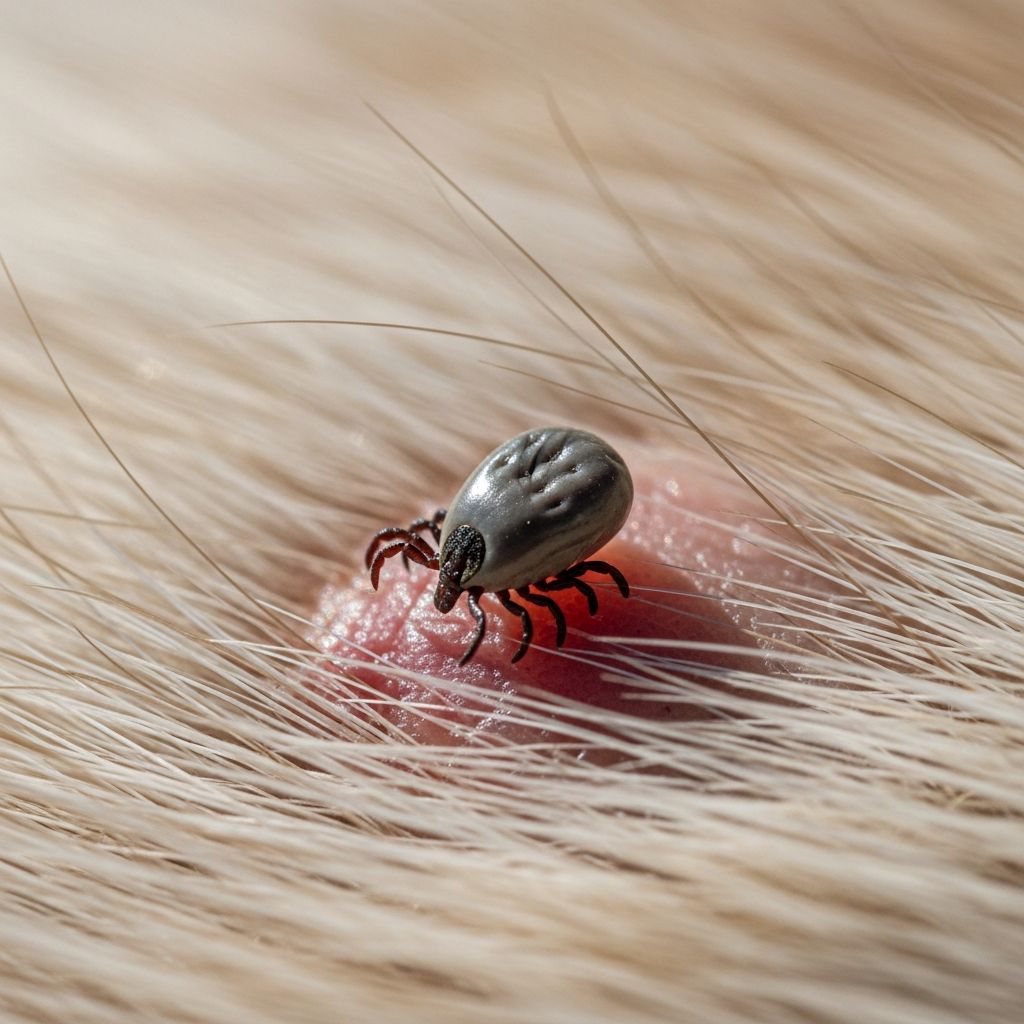
Tick bites pose a significant risk to dogs, often leading to local irritation or transmission of dangerous pathogens. Early detection of these bites and their associated symptoms can prevent severe health issues, ensuring prompt veterinary care when needed.
Understanding the Dangers of Ticks for Canines
Ticks are blood-feeding parasites that latch onto dogs during outdoor activities, thriving in wooded, grassy, or brushy environments. Once attached, they embed their mouthparts into the skin to feed, potentially injecting bacteria, viruses, or protozoa that cause illness. The time required for disease transmission varies; some pathogens spread within hours, while others need days of attachment.
Dogs may not show immediate signs after a bite, complicating detection. Common attachment sites include ears, armpits, groin, between toes, and under the collar, where skin is thin and warm. Regular checks after walks are crucial, as undetected ticks can multiply and spread diseases like Lyme disease or Rocky Mountain spotted fever (RMSF).
Local Reactions: First Signs at the Bite Site
The initial indicator of a tick bite is often a visible reaction at the attachment point. Dogs might develop a small, red bump resembling a mosquito bite, but ticks leave a distinct “crater” after removal where the head was embedded.
- Redness and swelling: The area becomes inflamed, hot to the touch, and raised, signaling the body’s immune response.
- Pus or discharge: Yellowish-white fluid or red ooze indicates secondary bacterial infection.
- Itchiness and discomfort: Excessive scratching, licking, or biting at the site shows irritation.
- Pain on touch: Dogs may yelp or pull away when the area is palpated.
If untreated, these local symptoms can escalate to abscesses. Pale gums from heavy infestations signal anemia due to blood loss.
Systemic Symptoms Indicating Tick-Borne Diseases
Beyond the bite site, ticks transmit pathogens causing widespread effects. Symptoms appear days to weeks post-bite, varying by disease.
General Warning Signs
- Lethargy: Reduced energy, reluctance to play or walk.
- Fever: Warm ears, nose, or elevated temperature above 102.5°F.
- Loss of appetite: Skipping meals or reduced interest in food.
- Swollen lymph nodes: Enlarged nodes near jaws, shoulders, or hind legs.
Specific Disease Indicators
| Disease | Key Symptoms | Common Tick Vector |
|---|---|---|
| Lyme Disease | Lameness shifting legs, joint swelling, fever, fatigue | Deer tick |
| Ehrlichiosis | Fever, weight loss, nosebleeds, swollen limbs, depression | Brown dog tick |
| Anaplasmosis | Stiff joints, vomiting, diarrhea, seizures in severe cases | Deer tick |
| Rocky Mountain Spotted Fever | Fever, skin lesions, neurological issues, stiffness | American dog tick, wood tick |
| Babesiosis | Pale gums, dark urine, weakness, jaundice | American dog tick |
These diseases often overlap in symptoms, necessitating veterinary blood tests for accurate diagnosis.
Ttick Paralysis: A Rapidly Progressing Emergency
Ttick paralysis, caused by neurotoxins from certain ticks like the paralysis tick, demands immediate action. Symptoms start subtly in hind legs with weakness and incoordination, progressing to full paralysis.
- Hoarse bark or voice changes.
- Dilated pupils and swallowing difficulties.
- Respiratory distress in advanced stages.
Removal of the tick often reverses symptoms within 24-72 hours, but delays can be fatal.
Diagnostic Approaches for Tick-Related Issues
Veterinarians use history of exposure, physical exams, and lab tests to confirm tick involvement. Blood work detects antibodies or pathogens, while PCR tests identify specific DNA.
- Complete blood count (CBC): Checks for anemia, low platelets.
- Serology: Screens for Lyme, Ehrlichia, Anaplasma.
- Tick identification: Submitting removed ticks aids in assessing risks.
Early testing prevents chronic issues like kidney damage from Lyme or organ failure from Babesia.
Safe Tick Removal Techniques
Never pull ticks with fingers or tweezers on the body, as this risks leaving mouthparts or squeezing infectious fluids. Use fine-tipped tweezers to grasp at the head and pull steadily upward.
- Clean the area with alcohol.
- Grasp tick close to skin.
- Pull slowly without twisting.
- Disinfect bite and monitor for 30 days.
Save the tick in alcohol for identification. Avoid petroleum jelly, matches, or nail polish, which increase disease transmission risk.
Prevention Strategies to Keep Ticks at Bay
Proactive measures reduce bite risks significantly.
- Topical preventives: Flea/tick collars, spot-ons with fipronil or permethrin.
- Oral medications: Isotxazoline-class drugs kill ticks before feeding.
- Environmental control: Mow lawns, remove leaf litter, create tick barriers.
- Daily checks: Comb fur with a fine-tooth flea comb after outdoors.
- Vaccines: Lyme vaccine for high-risk dogs.
Consult vets for region-specific products, as tick species vary.
When to Seek Urgent Veterinary Care
Rush to the vet if your dog shows paralysis, bleeding, pale gums, high fever, or breathing issues. Even mild lameness post-outdoor exposure warrants a check, as symptoms can worsen rapidly.
FAQs on Tick Bites in Dogs
What does a fresh tick bite look like on a dog?
A small red bump or scabbed crater, often with surrounding swelling or hair loss.
How long after a tick bite do symptoms appear?
Local reactions: hours to days. Diseases: 2-28 days, depending on pathogen.
Can tick bites cause anemia in dogs?
Yes, heavy infestations or Babesia destroy red blood cells, leading to pale gums and weakness.
Is tick paralysis reversible?
Usually, if the tick is removed promptly; symptoms resolve in days.
Are there vaccines for all tick diseases?
No, only Lyme has a vaccine; prevention relies on repellents.
Long-Term Management After Tick Exposure
Post-exposure, monitor for 4-6 weeks. Treated dogs may need antibiotics like doxycycline for 4 weeks. Chronic cases require supportive care for joints or organs. Annual screenings benefit at-risk pets.
By staying vigilant, pet owners can safeguard their dogs from the hidden threats ticks pose, promoting happier, healthier lives.
References
- Tick Bite Symptoms in Dogs: Know the Signs — ToeGrips. 2023. https://toegrips.com/tick-bite-symptoms-in-dogs/
- Tick-Borne Diseases in Dogs — Hershey Veterinary Hospital. 2024. https://hersheyvet.com/blog/tick-borne-diseases-in-dogs/
- Ticks on Dogs: Identification, Symptoms, Prevention & Treatment — Green Cross Vets. 2023. https://www.greencrossvets.com.au/pet-library/articles-of-interest/ticks-on-dogs-guide/
- Tick Bites: Causes, Symptoms, Treatment & Prevention — Cleveland Clinic. 2024-03-15. https://my.clevelandclinic.org/health/diseases/7234-tick-bites
- American Dog Tick Diseases, Bites, Information — PestWorld.org. 2023. https://www.pestworld.org/pest-guide/ticks/american-dog-ticks/
- Canine Tick-Borne Disease — AKC Canine Health Foundation. 2024. https://www.akcchf.org/disease-history/canine-tick-borne-disease/
- Lone Star Tick Bite on Dog: Urgent Signs and Vital Next Steps — Garden State Veterinary Specialists. 2023. https://www.gsvs.org/woodbridge-nj/blog/lone-star-tick-bite-dog-emergency/
Similar Articles






Read full bio of Sneha Tete