

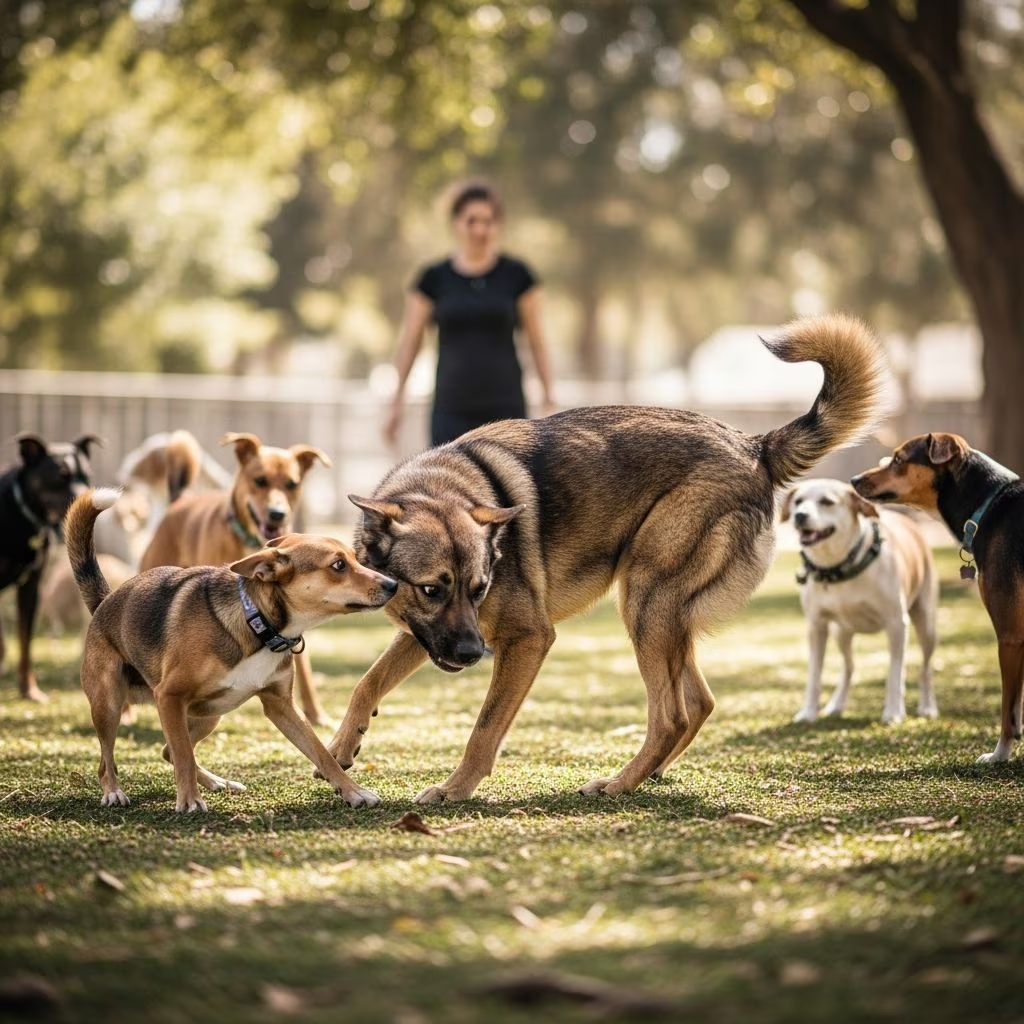
Dog bullying manifests as persistent pushy or overbearing actions toward other dogs, often overwhelming them during interactions. Unlike confident leadership or defensive aggression, it stems from overstimulation, poor socialization, or genetic tendencies reinforced by submissive responses from targets.
Understanding the Roots of Bullying in Dogs
Bullying behavior in dogs arises from a mix of innate predispositions and learned responses. Certain dogs find satisfaction in dominating less assertive playmates, much like some breeds are driven to herd or retrieve. When a puppy tests overbearing tactics and receives appeasement—such as cowering or rolling over—it reinforces the pattern, leading to escalation over time.
Early prevention is key; assertive responses from peers can deter development, but repeated success builds a strong habit. Environmental factors, like inadequate puppy socialization, exacerbate this, turning energetic play into relentless targeting of vulnerable dogs regardless of size.
Key Indicators Your Dog Might Be a Bully
Recognizing bullying requires observing consistent patterns rather than isolated incidents. Bullies often ignore social cues, persisting beyond a playmate’s comfort signals.
- Pushy dominance: Constantly shoving, mounting, or body-slamming others without reciprocation.
- Resource theft: Stealing toys, food, or attention, followed by guarding or repeating.
- Overly intense play: Rambunctious chasing or tackling that leaves others panting or fleeing.
- Ignoring stop signals: Continuing after yawns, lip licks, or tail tucks from the other dog.
- Pinning or overwhelming: Forcing companions to the ground or preventing escape.
These differ from rough but mutual play, where dogs trade roles and respect boundaries.
Bullying vs. Normal Pack Dynamics
Not all dominant behavior equals bullying. Alpha dogs maintain calm authority, correcting violations without constant harassment. They command respect naturally, rarely needing to overpower.
| Behavior Type | Characteristics | Target Response |
|---|---|---|
| Alpha Leadership | Confident, patient; corrects only as needed | Voluntary deference |
| Bullying | Overbearing, relentless; targets weak dogs | Forced appeasement, distress |
| Aggression | Rigid posture, growling, stiff tail | Fear or retaliation |
Aggression signals true threat with raised hackles or crouching, unlike bullying’s excited persistence.
Signs the Victim Dog is Being Bullied
Targeted dogs show clear distress, helping owners intervene. Submissive breeds or gentle personalities attract bullies most.
- Tail tucking or low positioning.
- Excessive yawning, lip licking, or averting gaze.
- Hiding, avoiding approach, or fleeing.
- Submissive rolling with whining.
- Always chased, never chasing back.
- Barking defensively while retreating.
Owners must account for each dog’s baseline; what overwhelms one may thrill another.
Factors That Trigger or Worsen Bullying
Developmental Stages
Social maturity around 1-3 years can intensify traits. Young dogs challenge hierarchies, prompting defensive bullying if unmet needs arise.
Environmental Shifts
Changes like new homes, routines, or visitors disrupt stability, heightening frustration. Limited resources spark competition, mimicking resource guarding.
Health Influences
Pain from illness or age alters tolerance; an aching dog may snap or bully preemptively. Hearing loss in seniors unpredictably startles others, escalating tensions.
Practical Management Strategies
Immediate safety precedes training. Separate during high-risk scenarios and supervise closely.
- Leash control: Use long lines in play areas to recall instantly.
- Timeout protocol: Remove bully for calm-down periods after incidents.
- Resource separation: Feed and toy separately to reduce guarding.
- Exercise boost: Tire out mentally and physically to curb overstimulation.
Training Techniques to Reform Bullies
Focus on impulse control and cue responsiveness. Start in low-distraction settings.
- Attention command: Teach ‘look’ or ‘focus’ rewarding eye contact, vital for redirecting mid-interaction.
- Recall mastery: Practice ‘come’ with high rewards; use in groups gradually.
- Leave it: For ignoring temptations like toys or dogs.
- Calm greetings: Reward sitting politely before approaches.
- Desensitization: Controlled playdates with matched partners, intervening early.
Consistency across family prevents confusion. Positive reinforcement trumps punishment, avoiding fear-aggression cycles.
Building Better Social Skills from Puppyhood
Prevention via diverse exposures: puppy classes, varied dogs, ages, sizes. Teach bite inhibition and play bows. Early assertive peers discourage bullying onset.
When Household Dogs Clash: Sibling Rivalry
Intra-home bullying mimics playground issues. Triggers include resource access, tight spaces, or redirected frustration (e.g., window barking).
Identify precursors: staring, stiffening. Medical checks rule out pain. Management: separate feeding/resting, parallel walks, gradual reunions with barriers.
Seeking Expert Help
If progress stalls or bites occur, consult veterinary behaviorists. They diagnose underlying anxiety or genetics, prescribing meds if needed alongside behavior plans.
FAQs
Is my energetic dog just playing rough or bullying?
Mutual role-swapping and respected pauses indicate play; one-sided overwhelm signals bullying.
Can all bully dogs be reformed?
Most improve with early, consistent intervention; entrenched cases need pros.
How does socialization prevent bullying?
Exposes pups to boundaries, teaching appropriate force levels.
Should I neuter my bully dog?
It may reduce intensity but isn’t a cure; combine with training.
What if my dog bullies at daycare?
Request reports, limit sessions, opt for private training.
Long-Term Success Tips
Monitor lifelong; neutering, ongoing training, balanced exercise sustain gains. Celebrate small wins for motivation.
References
- My Dog is Bullying Other Dogs: What Should I Do? — Hill’s Pet Nutrition. 2023-05-15. https://www.hillspet.com/dog-care/behavior-appearance/dog-bullying-other-dogs
- How to React to a Dog’s Bully Behavior — Whole Dog Journal. 2022-11-10. https://www.whole-dog-journal.com/behavior/how-to-react-to-a-dogs-bully-behavior/
- Dog Bullying: How to Spot It and What to Do — Care.com. 2023-08-22. https://www.care.com/c/dog-bullying-how-to-spot-it-and-what-to-do/
- Dog Behavior Problems – Aggression – Sibling Rivalry – Diagnosis — VCA Animal Hospitals. 2024-01-12. https://vcahospitals.com/know-your-pet/dog-behavior-problems-aggression-sibling-rivalry-diagnosis



