
Spotting and Stopping Dog Bullying Behavior
Learn to identify bully tendencies in your dog, understand the causes, and apply effective strategies to foster harmonious interactions with other dogs.
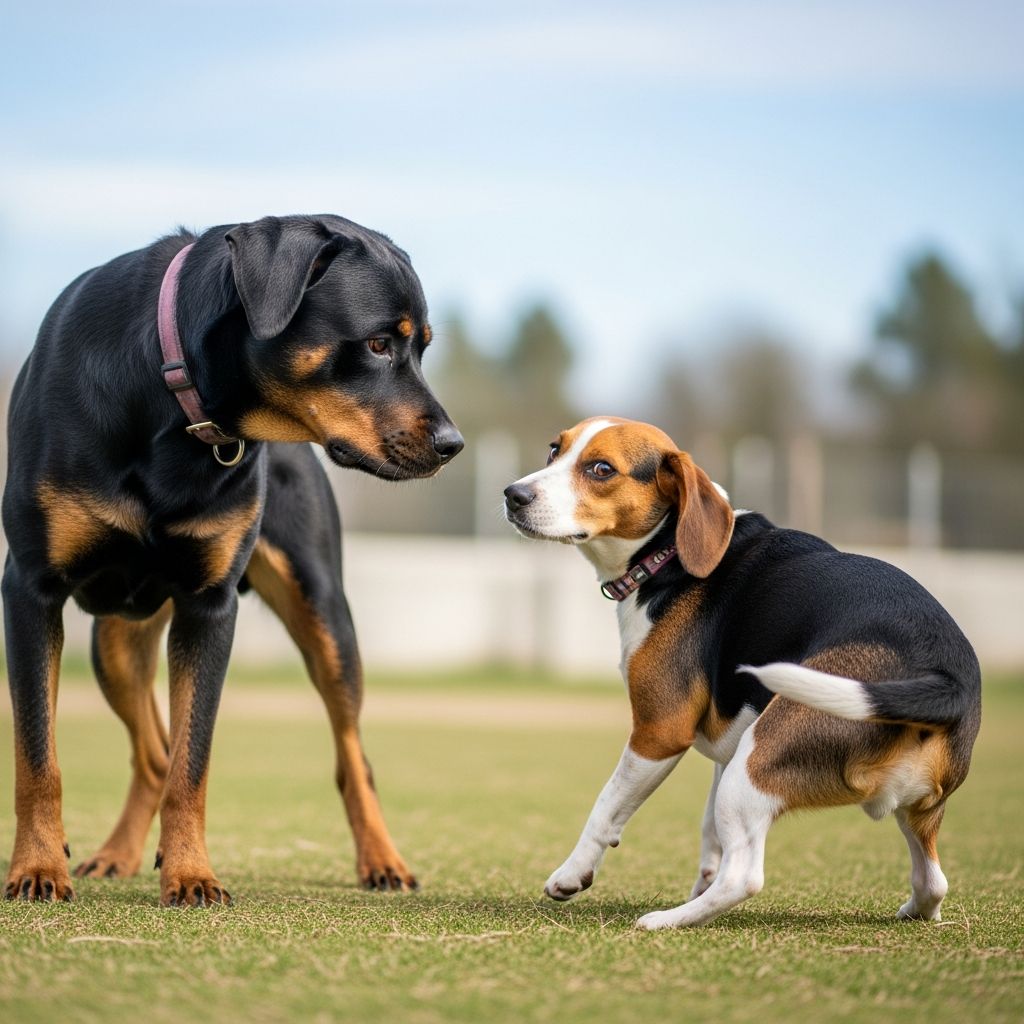
Dog bullying manifests as persistent overbearing actions toward other dogs, often targeting those that appear less confident. Owners can address this through observation, training, and environmental adjustments to ensure safe play.
Understanding the Nature of Bullying in Dogs
Bullying in canines differs from typical pack dynamics where an alpha dog maintains order calmly without excessive force. A true bully thrives on the submissive reactions of targets, reinforcing their pushy demeanor over time.
This behavior stems from a mix of innate predispositions and learned responses. Puppies that receive appeasement from peers during early interactions may escalate these tactics, turning them into habitual patterns if not corrected promptly.
Key Indicators of Bully Tendencies
Recognizing bully signs early prevents escalation. Watch for these common displays during interactions:
- Persistent shoving or body-slamming other dogs without invitation.
- Ignoring clear ‘stop’ signals like lip-licking or yawning from playmates.
- Stealing toys, food, or space aggressively.
- Overly intense play that overwhelms or pins down others.
- Constantly chasing one dog without role reversal.
- Pacing or shadowing another dog to intimidate.
Victims often show tucked tails, avoidance, or submissive rolls, signaling distress rather than enjoyment.
Bullying vs. Normal Play or Aggression
Not all roughhousing equals bullying. Healthy play involves mutual engagement, balanced roles, and respect for boundaries. Bullies disregard these, fixating on weaker dogs.
| Behavior Type | Characteristics | Examples |
|---|---|---|
| Normal Play | Balanced, reciprocal, ends on positive notes | Chase with turn-taking, relaxed body language |
| Bullying | One-sided, ignores signals, targets specifics | Constant pinning, resource theft |
| Aggression | Rigid posture, growls, raised hackles | Slow stalking, bared teeth |
| Alpha Leadership | Calm corrections, no unnecessary force | Gentle nudges to enforce rules |
Use this table to assess interactions accurately. Context like dog size, age, and history matters—physical play between sturdy dogs may be fun, but overwhelms gentler ones.
Root Causes Behind Bully Actions
Bullying often arises from poor socialization, overstimulation, or insecurity masked as bravado. Young dogs may test boundaries, while adults in multi-dog homes compete for resources amid routine changes.
Environmental shifts, like new household members or access restrictions, heighten tensions. Medical issues, such as pain from aging, can alter tolerance levels, prompting defensive overreactions.
Genetics play a role; some breeds or individuals find dominance reinforcing, similar to herding instincts in others.
Strategies for Intervening Effectively
Immediate action halts reinforcement cycles. Start with management: separate during high-risk scenarios and supervise closely.
- Teach Focus Commands: Train a reliable ‘look’ or ‘sit’ cue to redirect attention from targets.
- Controlled Introductions: Use leashes for gradual meetings, rewarding calm behavior.
- Exercise and Enrichment: Channel energy through walks, puzzles, to reduce frustration.
- Positive Reinforcement: Praise polite interactions; ignore or interrupt bullying calmly without punishment.
For multi-dog households, feed and rest separately to minimize resource guarding.
Training Exercises to Build Better Social Skills
Structured sessions improve boundaries. Begin in low-distraction settings:
- Parallel Play: Walk dogs side-by-side at a distance, gradually closing gaps as tolerance builds.
- Toy Sharing Drills: Offer toys only when all dogs sit patiently, teaching impulse control.
- Desensitization: Expose to triggers slowly, pairing with treats for relaxation.
Consistency across family members prevents mixed signals. Professional trainers aid complex cases.
Handling Multi-Dog Household Dynamics
In homes with multiple pets, bullying disrupts peace. Monitor for pacing, intrusive greetings, or space invasions.
Assign individual spaces for meals, beds, and attention. Rotate playtime to avoid fatigue-fueled escalations. Social maturity around 1-3 years often sparks issues as personalities solidify.
When to Seek Professional Help
If interventions fail or fights occur, consult a veterinary behaviorist. Rule out pain or illness first—conditions like arthritis lower thresholds.
Signs warranting experts: bites, intense growls, or fear in household dogs. Early professional input prevents ingrained habits.
Preventing Bullying from Developing
Puppy socialization classes expose young dogs to varied peers respectfully. Encourage assertive responses from playmates to discourage early bullying.
Maintain routines, provide ample exercise, and model calm leadership. Neutering may reduce some tensions, though not a cure-all.
FAQs on Dog Bullying
Is my dog a bully or just playful?
Playful dogs respect signals and balance roles; bullies overwhelm and persist.
Can bully behavior be fixed in adult dogs?
Yes, with consistent training, though success depends on history length.
What if my dog bullies only certain dogs?
This targets perceived weaklings; manage exposures and train selectivity.
Does breed influence bullying?
Tendencies vary, but environment shapes expression more.
How do I protect the victim dog?
Supervise, separate, and build its confidence via training.
Long-Term Management for Peaceful Packs
Sustained harmony requires ongoing vigilance. Annual behavior checks, varied socialization, and health monitoring sustain progress. Celebrate small wins like polite greetings to motivate.
Owners report transformed dynamics post-intervention, with dogs enjoying group play safely.
References
- My Dog is Bullying Other Dogs: What Should I Do? — Hill’s Pet Nutrition. Accessed 2026. https://www.hillspet.com/dog-care/behavior-appearance/dog-bullying-other-dogs
- How to React to a Dog’s Bully Behavior — Whole Dog Journal. Accessed 2026. https://www.whole-dog-journal.com/behavior/how-to-react-to-a-dogs-bully-behavior/
- Dog Bullying: How to Spot It and What to Do — Care.com. Accessed 2026. https://www.care.com/c/dog-bullying-how-to-spot-it-and-what-to-do/
- Dog Behavior Problems – Aggression – Sibling Rivalry – Diagnosis — VCA Animal Hospitals. Accessed 2026. https://vcahospitals.com/know-your-pet/dog-behavior-problems-aggression-sibling-rivalry-diagnosis
- An Intervention is in Order: Canine Bullies in a Multiple Dog Household — How Many Dogs. 2012-11. http://www.howmanydogs.com/2012/11/an-intervention-is-in-order-canine-bullies-in-a-multiple-dog-household/ (Used for enduring behavioral insights despite age).
Similar Articles








Read full bio of medha deb




