

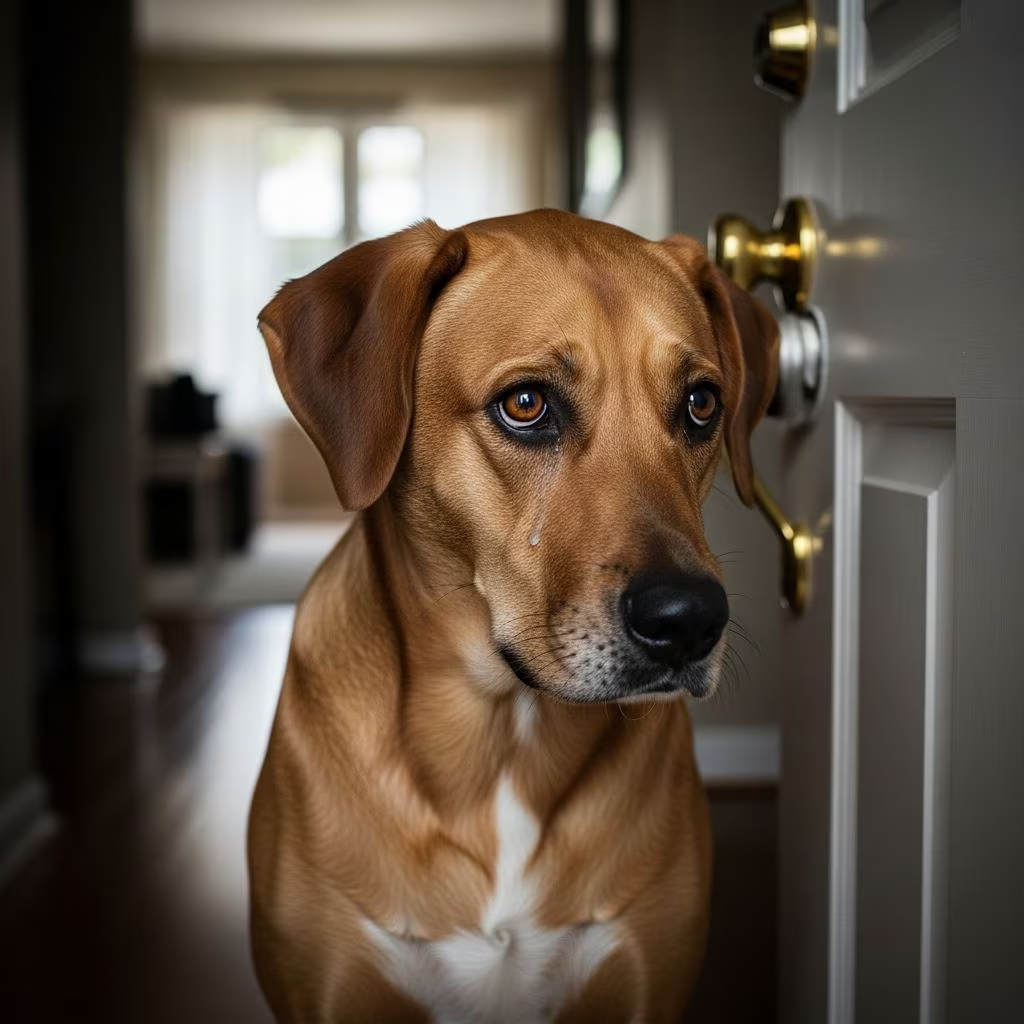
Separation anxiety affects many dogs, manifesting as intense distress when they are left alone or separated from their primary caregivers. This condition goes beyond typical boredom or mischief, often resembling a panic response that can harm both the dog and the household.
Understanding the Nature of Canine Separation Distress
Dogs with separation anxiety exhibit extreme stress behaviors solely during absences, persisting until the owner returns. Unlike normal adjustment periods in new environments, true anxiety involves unrelenting signs that disrupt daily life. Research from the University of Lincoln highlights four primary distress forms: escaping from home irritants, seeking external stimuli, reacting to outside noises, and boredom-driven frustration, based on over 2,700 dogs across 100 breeds.
This distress stems from an inability to cope with solitude, often linked to over-dependence on owners. Dogs may shadow family members room-to-room, refusing independent time outdoors. As departure cues appear—such as grabbing keys—they display immediate unease, underscoring the emotional toll of perceived abandonment.
Key Behavioral Indicators to Watch For
Recognizing separation anxiety requires observing patterns tied directly to alone time. Common signals include:
- Excessive vocalization: Continuous barking, howling, or whining that starts upon departure and continues unabated.
- Destructive actions: Chewing furniture, scratching doors, or digging, frequently targeting exit points or owner-scented items.
- Inappropriate elimination: House-trained dogs urinating or defecating indoors, often near doors.
- Escape attempts: Frantic efforts to break through windows, doors, or fences, sometimes leading to self-injury.
These behaviors typically onset within minutes of leaving, distinguishing them from random acts. Drooling puddles, pacing in tight circles, or trembling further confirm distress.
Pre-Departure and Greeting Rituals Gone Awry
Before you even leave, anxious dogs may pace restlessly, pant heavily, or salivate profusely. They might refuse food or become unusually clingy, following every step. Upon return, expect over-the-top excitement: jumping, whining, or nipping, which signals relief from prolonged panic rather than simple joy.
These rituals highlight the cycle: anticipation of loss builds tension, release floods them with emotion. Unlike playful greetings, this intensity reflects unresolved fear.
Physical Manifestations of Stress
Beyond visible destruction, physiological signs appear. Rapid breathing, elevated heart rates, and trembling indicate acute anxiety. In severe cases, self-harm like excessive licking or chewing paws emerges. Panting without exertion or vomiting from stress further points to this issue.
| Sign Category | Examples | Timing |
|---|---|---|
| Vocal | Barking, howling | During absence |
| Physical | Panting, drooling, trembling | Pre- and during absence |
| Destructive | Chewing doors, scratching | Shortly after departure |
| Elimination | Indoor accidents | During alone time |
This table summarizes core signs, emphasizing their consistent timing linked to separation.
Root Causes Behind the Anxiety
Several factors trigger separation anxiety. Major life changes top the list: moving homes, new family additions like babies, or losing a household member (human or pet). Schedule shifts, such as returning to work post-pandemic, exacerbate vulnerability.
Early experiences matter too. Puppies never taught independence or dogs from shelters with abandonment histories face higher risks. Genetic predispositions may play a role, with some breeds or personalities more clingy. Traumatic events, like storms during absences or vet visits, condition fear responses. Environmental lacks—insufficient exercise, toys, or mental stimulation—fuel frustration mimicking anxiety.
Ruling Out Other Behavioral or Medical Issues
Not all mishaps signal anxiety. House soiling might stem from incomplete training, marking, or medical urinary issues. Destructive chewing could indicate teething, boredom, or cognitive decline in seniors. Excessive barking may arise from noise phobias or territorial instincts.
Consult a vet to exclude thyroid problems, pain, or sensory loss. Video your dog alone to confirm patterns: true anxiety destroys owner items or exits, ignores toys, and vocalizes distressfully, not playfully.
Prevention Strategies for Puppies and New Dogs
Build independence early. Gradually increase alone time, starting seconds, rewarding calm with treats. Crate train positively, associating it with safety. Provide enrichment: puzzle toys, chews, and rotation of items prevent boredom.
Avoid comforting anxious behaviors; instead, ignore departures calmly—no big goodbyes. Exercise before leaving ensures tiredness aids settling.
Management and Treatment Approaches
Treatment combines desensitization, counterconditioning, and sometimes medication. Use cameras to monitor progress. Start with short absences, pairing with high-value treats. Gradually extend durations.
Enrich the environment: long-lasting chews, background noise, or dog cams for interaction. Professional behaviorists offer tailored plans; vets may prescribe anti-anxiety meds short-term. Consistency yields results, often within weeks.
Long-Term Lifestyle Adjustments
Integrate daily routines fostering confidence: obedience training, agility, or socialization classes. Multiple dogs can provide companionship, but introduce carefully. Track progress in a journal to adjust tactics.
Owners benefit from support groups or apps logging behaviors. Patience prevents regression; celebrate small wins like quiet 10-minute solos.
FAQs on Dog Separation Anxiety
Can all dogs develop separation anxiety?
Any dog can, but risks rise with clingy personalities, abrupt changes, or isolation histories. Prevention helps all.
How long does treatment take?
Weeks to months, depending on severity and consistency. Gradual exposure is key.
Is medication always needed?
No, behavioral methods suffice for many. Vets recommend for severe cases alongside training.
Does crating help or worsen it?
Positive crate training aids; forced confinement can heighten panic.
What if my dog only acts out at night?
Rule out other causes like potty needs or noises; nighttime separation may mimic daytime patterns.
Real-Life Impact and Hope for Recovery
Untreated anxiety strains bonds, incurs repair costs, and risks injury. Yet, with intervention, most dogs improve dramatically, enjoying secure independence. Early detection transforms lives, turning panic into peace.
References
- New research identifies root causes of separation anxiety in dogs — AVMA. 2020-05-15. https://www.avma.org/javma-news/2020-05-15/new-research-identifies-root-causes-separation-anxiety-dogs
- Separation Anxiety in Dogs: Causes, Signs, and Solutions — Best Friends Animal Society. N/A. https://bestfriends.org/pet-care-resources/separation-anxiety-dogs-causes-signs-and-solutions
- Separation Anxiety In Dogs (the symptoms and how to help your dog) — Animal Emergency Service. N/A. https://animalemergencyservice.com.au/blog/separation-anxiety-in-dogs/
- Separation Anxiety in Dogs: Signs, Causes, and Prevention — American Kennel Club. N/A. https://www.akc.org/expert-advice/training/dog-separation-anxiety/
- Separation Anxiety in Dogs — VCA Animal Hospitals. N/A. https://vcahospitals.com/know-your-pet/separation-anxiety-in-dogs
- Separation Anxiety in Dogs — PetMD. N/A. https://www.petmd.com/dog/conditions/behavioral/separation-anxiety-dogs
- Separation-related behaviour (SRB) — RSPCA. N/A. https://www.rspca.org.uk/adviceandwelfare/pets/dogs/behaviour/separationrelatedbehaviour



