

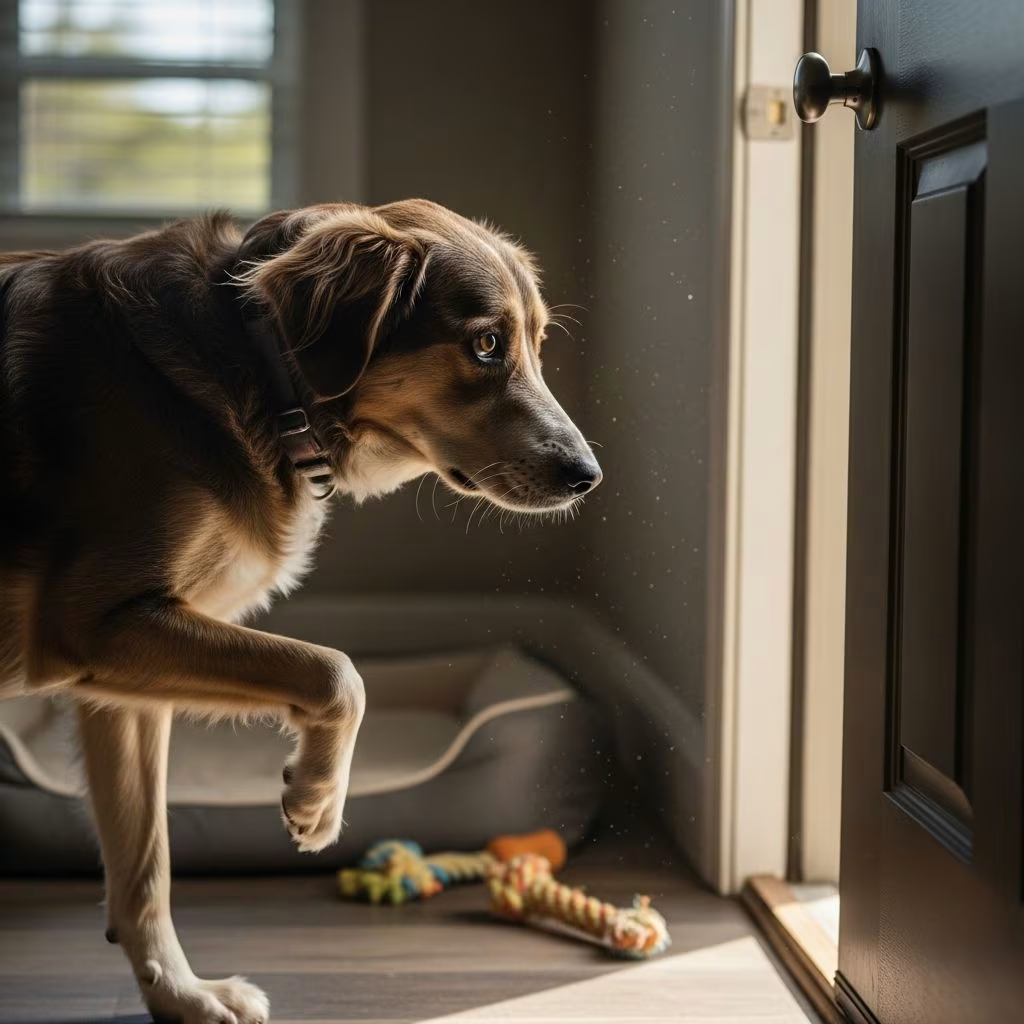
Dogs thrive on companionship, but when left alone, some exhibit intense distress known as separation anxiety. This condition manifests through specific behaviors that signal emotional turmoil, affecting up to 20-40% of dogs referred to behaviorists. Recognizing these early allows owners to intervene effectively, preventing escalation and improving quality of life for both pet and family.
Defining Separation Anxiety: More Than Just Missing You
Separation anxiety occurs when a dog displays extreme stress upon being separated from their primary caregiver. Unlike normal adjustment to solitude, this involves persistent panic-like responses from the moment of departure until return. Veterinary behaviorists describe it as akin to a human panic attack, with physiological symptoms like elevated heart rate and rapid breathing.
Key distinction: Normal dogs may whine briefly or chew a toy, but anxious ones engage in unrelenting, destructive actions targeted at escape routes or owner-scented items. This isn’t misbehavior but a cry for help rooted in fear of abandonment.
Common Physical and Behavioral Indicators
Owners often notice patterns through home monitoring devices. Here’s a breakdown of prevalent signs:
- Excessive Vocalization: Non-stop barking, howling, or whining that persists for hours, often triggered by departure cues like jingling keys.
- Destructive Tendencies: Chewing doors, windows, or furniture, especially near exits; scratching floors or walls in attempts to escape.
- House Soiling: Urination or defecation indoors by otherwise trained dogs, sometimes accompanied by coprophagia (eating feces) due to heightened stress.
- Pacing and Restlessness: Repetitive back-and-forth walking, often wearing paths in carpets or yards, leading to sore paws or weight loss.
These behaviors typically intensify within 30 minutes of leaving and subside upon return, with dogs appearing exhausted or overly excited.
Subtle Pre-Departure and Physiological Clues
Not all signs occur in isolation; many begin before you even leave. Watch for:
- Shadowing: Following you room-to-room, rarely settling alone.
- Clinginess: Excessive physical contact or attention-seeking right before outings.
- Drooling and Panting: Profuse salivation or heavy breathing as you gather items like coats or bags.
- Refusal to Eat: Skipping meals when alone or during prep time.
Physiological responses include trembling, dilated pupils, and escape attempts like digging under fences. In severe cases, self-injury from frantic clawing occurs.
Triggers and Root Causes Behind the Distress
Research from the University of Lincoln analyzed over 2,700 dogs, identifying four primary distress forms: escaping internal aversions (e.g., scary house noises), seeking external rewards, reacting to outdoor stimuli, and plain boredom misdiagnosed as anxiety. Common life events exacerbate this:
| Trigger Type | Examples | Impact on Dog |
|---|---|---|
| Environmental Changes | New home, schedule shifts, new family members | Disrupts security, heightens fear |
| Traumatic Events | Loss of companion animal/human, vet stays, abandonment | Triggers abandonment fears |
| Developmental Factors | Puppies never alone, aging, sudden illness | Amplifies dependency |
| Personality Traits | Innately clingy breeds like Labs or rescues | Increased vulnerability |
Genetic predisposition plays a role, with some breeds more prone, though any dog can develop it post-trauma.
Ruling Out Other Issues: Medical and Behavioral Mimics
Not every accident or bark indicates anxiety. Consult a vet to exclude:
- Medical: UTIs causing frequent urination, cognitive decline in seniors.
- Training Gaps: Incomplete housebreaking or teething destruction.
- Boredom: Random chewing vs. targeted escape efforts.
- Phobias: Thunderstorm fears mimicking alone-time distress.
Video evidence clarifies: True anxiety involves immediate, intense onset without external triggers.
Practical Steps for Assessment and Early Intervention
Start with a log: Note behaviors, timing, and intensity over a week using cameras. Gradual desensitization works wonders:
- Practice short absences (1-5 minutes), rewarding calm returns.
- Neutralize departure cues: Pick up keys randomly without leaving.
- Enrich environment: Puzzle toys, frozen Kongs distract and soothe.
Exercise before departures burns energy, reducing pent-up stress. Crate training, if positive, provides security.
Advanced Management and Professional Help
For persistent cases, combine behavior modification with vet-prescribed anti-anxiety meds like fluoxetine. Certified trainers use counter-conditioning to rebuild alone-time associations. Avoid punishment, which worsens fear.
Success rates exceed 90% with consistent protocols, often resolving within months.
Preventing Separation Anxiety from Developing
Build independence early: Alone time for puppies during play, varied routines. Rescue constant companionship to foster resilience. Regular mental stimulation via training games prevents boredom escalation.
Frequently Asked Questions (FAQs)
Can all dogs outgrow separation anxiety?
Many improve with intervention, but without help, it often persists or worsens. Early action is key.
Is separation anxiety breed-specific?
No, though high-energy or velcro breeds like Shepherds or Vizslas show higher incidence.
How long does treatment take?
Typically 4-8 weeks for mild cases; severe may need 6 months with professional guidance.
Does crating help anxious dogs?
If previously positive, yes; forced crating can increase panic.
Can medication cure it alone?
No, it supports behavior changes; solo use yields temporary relief.
Long-Term Strategies for a Confident Companion
Fostering security through routine, enrichment, and positive alone experiences transforms anxious dogs into independent ones. Patience yields a balanced bond, free from departure dread. Monitor progress and adjust, celebrating small victories like relaxed crate naps.
References
- New research identifies root causes of separation anxiety in dogs — AVMA JAVMA News. 2020-05-15. https://www.avma.org/javma-news/2020-05-15/new-research-identifies-root-causes-separation-anxiety-dogs
- Separation Anxiety in Dogs — VCA Animal Hospitals. n.d. https://vcahospitals.com/know-your-pet/separation-anxiety-in-dogs
- Separation Anxiety in Dogs — PetMD. n.d. https://www.petmd.com/dog/conditions/behavioral/separation-anxiety-dogs
- Separation Anxiety in Dogs: Signs, Causes, and Prevention — American Kennel Club (AKC). n.d. https://www.akc.org/expert-advice/training/dog-separation-anxiety/
- Separation-related behaviour (SRB) and anxiety in dogs — RSPCA. n.d. https://www.rspca.org.uk/adviceandwelfare/pets/dogs/behaviour/separationrelatedbehaviour



