

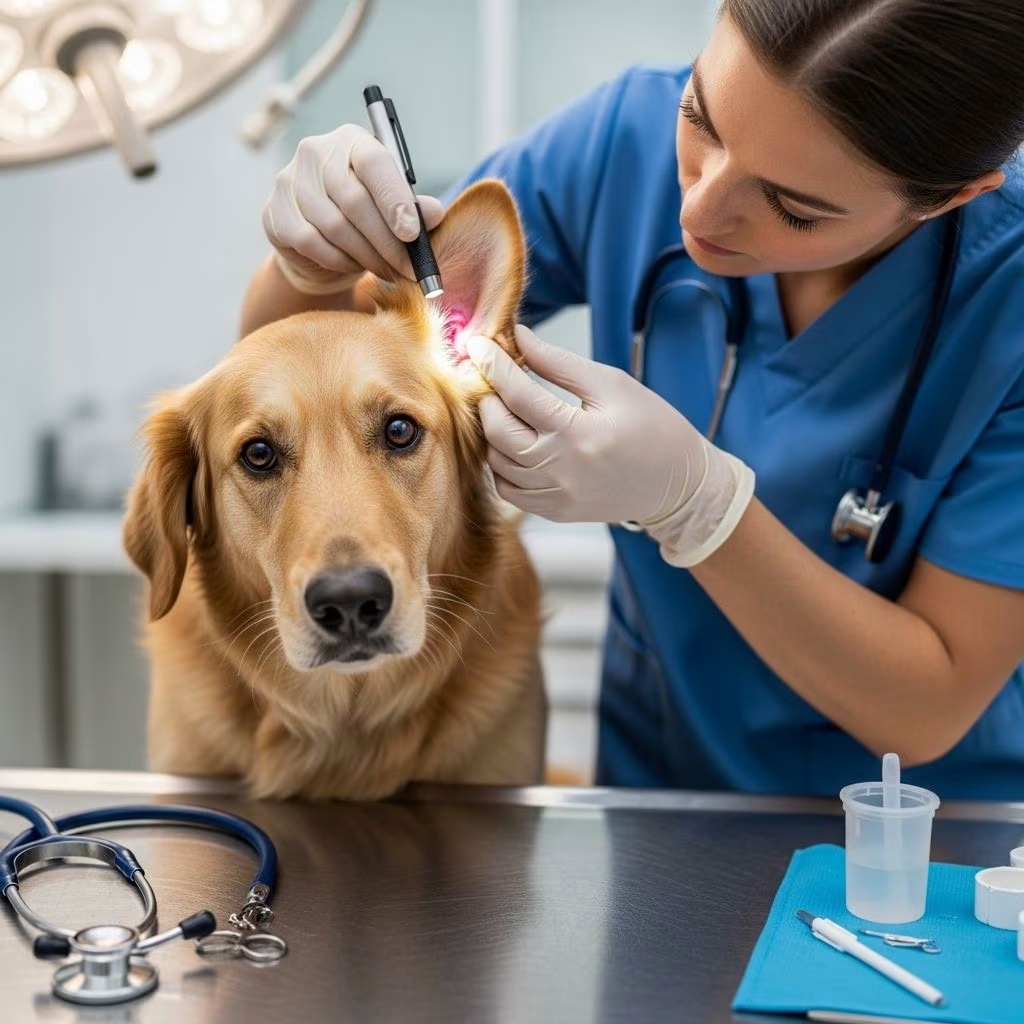
Pet infections can develop quickly and lead to serious health complications if not addressed promptly. Recognizing subtle changes in behavior, appearance, or vitality allows owners to seek veterinary care before conditions worsen. This guide explores common infection types, their indicators, treatment options, and preventive measures to keep dogs and cats thriving.
Understanding Common Types of Pet Infections
Infections in pets arise from bacteria, viruses, fungi, or parasites, each presenting unique challenges. Bacterial infections often stem from wounds or ingestion of contaminated material, while viral ones spread through contact or airborne particles. Fungal issues thrive in warm, moist environments, and parasitic invasions exploit weakened defenses.
- Bacterial Infections: Most frequent, affecting skin, urinary tract, ears, and respiratory system. Examples include pneumonia and urinary tract infections (UTIs).
- Viral Infections: Highly contagious, such as canine distemper, parvovirus in dogs, or feline herpes and leukemia in cats. These overwhelm the immune system and require supportive therapies.
- Fungal Infections: Including ringworm, which causes circular hair loss and scaly patches despite not being worm-related. Yeast and mold varieties target skin and deeper tissues.
- Parasitic Infections: Protozoa or worms disrupting digestion or other systems, often leading to diarrhea or weight loss.
Early diagnosis through veterinary exams, including cultures or blood tests, determines the pathogen and guides targeted therapy.
General Warning Signs Across Infection Types
Many infections share systemic symptoms signaling the body’s fight against invaders. Monitoring daily routines reveals these red flags.
| Symptom | Description | Common Causes |
|---|---|---|
| Lethargy | Reduced energy, reluctance to play or move | Bacterial, viral systemic spread |
| Fever | Warm ears/nose, shivering, panting | Immune response to any pathogen |
| Loss of Appetite | Refusing food or water | Digestive upset, pain |
| Vomiting/Diarrhea | Persistent gastrointestinal distress | Viral like parvo, bacterial toxins |
Behavioral shifts, such as hiding or aggression, often accompany physical changes, urging immediate vet consultation.
Skin Infections: Visible and Painful Alerts
Skin issues top the list of noticeable infections, affecting up to 20% of veterinary visits for dogs and cats. Bacteria or fungi enter through scratches, flea bites, or allergies, causing hot spots—acute moist dermatitis from self-trauma.
- Excessive scratching, licking, or chewing at one area signals irritation.
- Red, inflamed, swollen patches tender to touch indicate active inflammation.
- Pus-filled sores or yellow/green discharge points to bacterial overgrowth.
- Hair loss in bald patches, often scaly or crusty, suggests ringworm or mites.
- Foul odors from affected sites, worsened by licking, confirm advanced bacterial involvement.
Hot spots spread rapidly in humid conditions; prevent escalation by trimming fur and applying vet-approved barriers like cones.
Ear and Eye Infection Indicators
Ear infections plague floppy-eared breeds due to poor airflow, while eye issues arise from irritants or systemic spread.
Ear Infections: Head shaking, tilting, or pawing at ears. Discharge (waxy, pus-like, or bloody), foul smell, and pain on manipulation are hallmarks. Yeast, bacteria, or mites drive these.
Eye Infections: Redness, squinting, excessive tearing, or cloudiness. Discharge from clear to thick pus suggests bacterial or viral conjunctivitis.
Untreated, these lead to ruptured eardrums or vision loss; regular cleaning and check-ups mitigate risks.
Respiratory and Digestive Distress Signals
Respiratory infections mimic human colds but can progress to pneumonia. Coughing, sneezing, nasal discharge, and labored breathing demand attention, especially in puppies or kittens.
Digestive infections cause bloody stools, persistent vomiting, or straining. Parvovirus in dogs ravages intestines, leading to dehydration; feline leukemia suppresses immunity, inviting secondary gut issues.
Dehydration signs—sunken eyes, dry gums, tented skin—escalate urgency.
When to Rush to the Vet: Emergency Red Flags
Not all infections resolve at home; certain symptoms warrant immediate care.
- Rapidly spreading redness/swelling or non-healing wounds.
- Severe pain, distress, or breathing difficulties.
- Systemic signs: high fever, collapse, seizures.
- No improvement after 48 hours of treatment.
- Pregnant pets or those with pre-existing conditions showing flu-like symptoms.
Delays risk sepsis or organ failure; emergency clinics operate 24/7 for such cases.
Treatment Strategies by Infection Type
Veterinarians tailor therapies post-diagnosis via swabs, imaging, or labs.
| Type | Treatments | Duration/Tips |
|---|---|---|
| Bacterial | Antibiotics (e.g., Amoxicillin) | Full course (7-14 days); no early stop |
| Viral | Supportive: fluids, anti-nausea, isolation | Immune boost; vaccines prevent |
| Fungal | Antifungals (e.g., Fluconazole, topical shampoos) | Weeks to months; environmental clean |
| Skin Hot Spots | Cleaning, meds, e-collar | Daily monitoring |
Home care includes gentle cleaning, hydration, and nutrition. Never use human meds without vet approval.
Prevention: Building a Strong Defense
Proactive steps reduce infection odds significantly.
- Vaccinations against core viruses like rabies, distemper, parvo.
- Flea/tick/heartworm preventives year-round.
- Regular grooming, ear cleaning, dental care.
- Balanced diet supporting immunity.
- Quarantine new pets; hygiene post-outings.
Annual wellness exams catch subclinical issues early.
Zoonotic Risks: Protecting Your Family
Some pet infections transmit to humans, especially immunocompromised individuals. Ringworm spreads via contact; cat scratch disease causes lymph node swelling; Campylobacter leads to diarrhea. Wash hands post-handling, cover wounds, and vaccinate against rabies.
FAQs on Pet Infections
Q: How do I check my pet’s temperature?
A: Use a rectal thermometer; normal is 100-102.5°F for dogs/cats. Over 103°F signals fever.
Q: Can infections clear without antibiotics?
A: Mild viral cases yes, with rest; bacterial/fungal require meds.
Q: Why finish all medication?
A: Prevents resistance; residual pathogens rebound stronger.
Q: Are natural remedies safe?
A: Consult vet first; some like coconut oil aid skin but not substitutes.
Q: How often should I inspect my pet?
A: Daily during grooming or play for changes.
References
- Pet Infections | Veterinarian in Reynoldsburg, OH — Hillview Vet. Accessed 2026. https://hillviewvet.com/pet-infections/
- Pet Skin Infections: Signs, Causes & Treatment Guide — NMS Pet Emergency. Accessed 2026. https://nmspetemergency.com/recognizing-and-treating-pet-skin-infections/
- Pet Infections and Treatments: What Kinds are There? — CVETS. Accessed 2026. https://cvets.net/pet-infections-treatments/
- Pet Infections FAQs — Glastonbury Animal Hospital. Accessed 2026. https://www.glastonburyanimalhospital.com/pet-infections-faqs
- Infections That Pets Can Spread — Nemours KidsHealth. Accessed 2026. https://kidshealth.org/en/parents/pet-infections.html



