Spotting Pain in Dogs: Key Signs
Learn to identify subtle and obvious indicators of discomfort in your canine companion for timely care and relief.

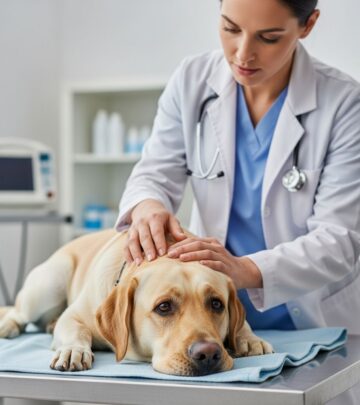
Dogs often conceal their discomfort, making it challenging for owners to detect when their pets are hurting. Recognizing these hidden signals through changes in behavior, movement, and physical appearance is crucial for their health and happiness. Early detection allows for prompt veterinary intervention, preventing worsening conditions and improving quality of life.
Why Dogs Hide Their Pain
In the wild, showing weakness invites danger, so domestic dogs retain this instinct. They mask pain to appear strong, which means owners must observe subtle cues rather than obvious complaints. Veterinary experts emphasize that vigilance in daily routines reveals these signs before they escalate.
Behavioral Indicators of Discomfort
Shifts in a dog’s usual demeanor often signal underlying pain. These changes can be gradual or sudden, depending on whether the issue is chronic or acute.
- Lethargy and Withdrawal: A once-energetic dog may lose interest in play, walks, or family interactions, preferring to hide or sleep excessively. This lack of enthusiasm stems from pain sapping their vitality.
- Irritability or Aggression: Normally gentle dogs might snap, growl, or avoid touch, especially near painful areas. This defensiveness protects sore spots.
- Excessive Vocalization: Whining, yelping, groaning, or howling without apparent reason indicates distress. These sounds intensify with movement or pressure.
- Changes in Habits: Indoor accidents in house-trained dogs, altered eating or drinking patterns, or restlessness like pacing signal discomfort affecting normal routines.
Physical Manifestations to Watch For
Visible body language provides direct clues. Dogs communicate pain through posture, facial expressions, and grooming behaviors.
- Shaking and Trembling: Muscle tremors or full-body shakes occur with pain from trauma, arthritis, or abdominal issues. This autonomic response reflects severe discomfort.
- Panting and Rapid Breathing: Excessive panting at rest, fast heart rate, or labored breaths suggest acute pain, such as from pancreatitis or injury.
- Excessive Licking or Chewing: Focused grooming on joints, paws, or abdomen aims to soothe irritation. This can lead to hair loss or wounds if unchecked.
- Facial and Postural Cues: Flattened ears, glazed eyes, drooling, or an arched back with lowered head indicate suffering. Tense muscles or twitching further confirm issues.
Mobility and Movement Challenges
Pain frequently hampers a dog’s ability to navigate their environment, leading to noticeable alterations in gait and activity.
| Symptom | Description | Common Causes |
|---|---|---|
| Limping or Stiffness | Favoring one leg, slow gait, or refusal to walk | Arthritis, sprains, fractures |
| Difficulty Rising or Lying Down | Hesitation or struggle to stand from rest | Joint pain, back issues |
| Reluctance to Jump or Climb | Avoiding stairs, furniture, or cars | Hip dysplasia, injuries |
| Tail Position Changes | Tucked or lowered tail | Abdominal or spinal pain |
These mobility issues often worsen with age or after activity, highlighting conditions like osteoarthritis prevalent in older dogs.
Common Causes of Pain in Canines
Understanding origins helps in prevention and treatment. Pain divides into acute (sudden, from trauma) and chronic (ongoing, from degeneration).
Joint and Bone Problems
Arthritis tops the list for seniors, causing inflammation and stiffness. Bone cancer, like osteosarcoma in large breeds, brings lameness, swelling, and lumps.
Infections and Dental Issues
Ear infections cause head shaking; dental disease leads to drooling and eating difficulties. Urinary or skin infections provoke licking and irritability.
Injuries and Trauma
Sprains, fractures, bites, or spinal injuries from falls or accidents demand immediate attention. Soft
Similar Articles





Read full bio of Sneha Tete