Spotting Kidney and Urinary Issues in Cats
Learn to identify early signs of kidney disease and urinary tract problems in cats for timely veterinary intervention and better outcomes.
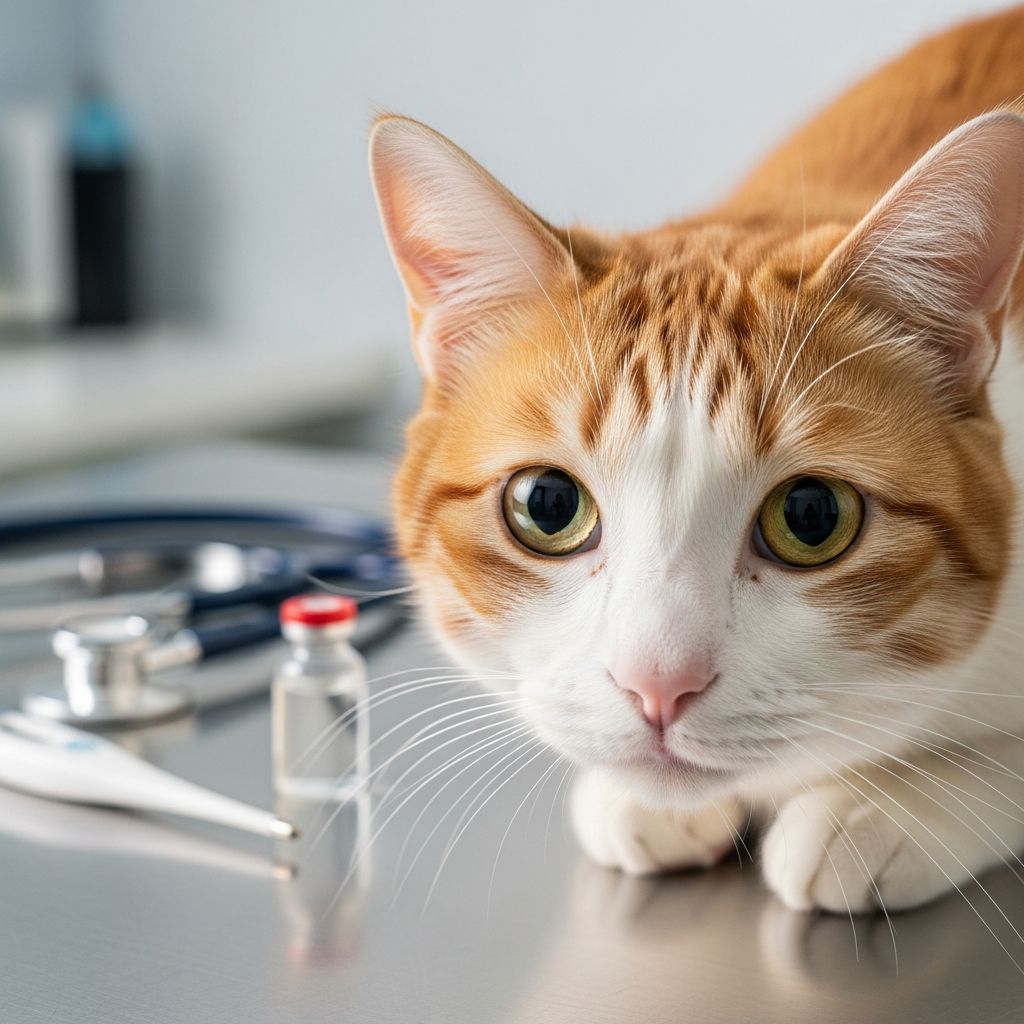
Cat owners often overlook subtle changes in their pets’ behavior or habits, yet these can signal serious kidney or urinary tract problems. Kidneys filter waste from the blood, regulate fluids, and maintain electrolyte balance, while the urinary system expels toxins. When these systems falter, cats suffer from conditions like chronic kidney disease (CKD) or infections, which are prevalent especially in seniors over 10 years old. Early detection through vigilant observation can extend life and improve quality.
Why Feline Kidneys and Urinary Systems Matter
The kidneys in cats perform critical roles beyond waste removal: they produce erythropoietin for red blood cell formation, control blood pressure via renin, and activate vitamin D for bone health. Urinary tract components—the bladder, ureters, and urethra—store and transport urine. Disruptions lead to toxin buildup (uremia), dehydration, anemia, and hypertension. Breeds like Persians and Abyssinians face higher risks due to genetics, alongside factors like hyperthyroidism.
Common Indicators of Trouble
Symptoms vary by disease stage and type—acute (sudden) or chronic (gradual). Owners notice shifts in daily routines first.
- Increased thirst (polydipsia) and urination (polyuria): Kidneys lose concentration ability, prompting more water intake and output. Litter boxes fill faster; water bowls empty quicker.
- Appetite loss and weight reduction: Toxins cause nausea, leading to muscle wasting despite normal portions.
- Vomiting and diarrhea: Uremic irritants affect the gut, sometimes with blood.
- Foul breath (halitosis): Ammonia odor from urea buildup signals advanced issues.
- Lethargy and weakness: Cats hide, avoid jumps, or seem depressed as energy wanes.
Dehydration persists despite drinking, shown by tacky gums or slow skin tenting. Coat dullness arises from poor grooming and dry skin.
Advanced and End-Stage Warning Signs
As conditions worsen, symptoms intensify. In end-stage kidney failure, cats exhibit pale gums from anemia (low erythropoietin), oral ulcers, hypothermia, edema in limbs, and neurological issues like seizures or blindness. Behavioral shifts include irritability, vocalizing, or incontinence. Acute cases add pain signs: arched backs, stiff gait, or straining without urine output. Urinary blockages, common in males, demand emergency care to prevent rupture.
| Symptom | Early Stage | Advanced/End-Stage |
|---|---|---|
| Thirst/Urination | Mild increase | Excessive, accidents |
| Appetite/Weight | Reduced interest | Severe loss, wasting |
| Breath Odor | Faint ammonia | Strong, ulcers |
| Energy | Slight lethargy | Weakness, seizures |
| Other | Dull coat | Anemia, incontinence |
Root Causes Behind the Symptoms
Chronic kidney disease dominates, often idiopathic but linked to age, toxins (e.g., antifreeze, lilies), infections, or hypertension. Acute injury stems from dehydration, trauma, or drugs. Urinary woes include infections (UTIs, more in females with diabetes), stones blocking flow (riskier for males), and pyelonephritis spreading upward. Congenital defects like malformed kidneys appear young, causing failure by age 2.
Diagnostic Approaches for Confirmation
Vets start with history and exam, noting breed, age, diet. Key tests include:
- Urinalysis: Checks concentration, protein, blood, crystals, bacteria.
- Bloodwork: Elevated BUN/creatinine indicate failure; low RBCs show anemia; electrolyte imbalances.
- Imaging: Ultrasound/X-rays reveal stones, tumors, size.
- Biopsy: Rare, for precise cause.
Staging uses IRIS guidelines: Stage 1 (mild) to 4 (severe), guiding prognosis.
Management and Support Strategies
No cure for CKD, but interventions extend life. Focus on hydration (subcutaneous fluids), renal diets low in protein/phosphorus, meds for nausea (maropitant), blood pressure (ACE inhibitors), anemia (EPO injections), and phosphate binders. Monitor at home: track weight, intake/output. For blockages/UTIs: catheterization, antibiotics, surgery if stones recur.
Prevention Tips for Proactive Owners
Minimize risks with annual senior checkups (over 7 years), toxin-free homes, ample fresh water (fountains encourage drinking), stress reduction, and dental care (infections spread). Weight management curbs diabetes/hypertension links.
Frequently Asked Questions (FAQs)
How do I know if my cat has kidney problems?
Watch for polydipsia, polyuria, weight loss, vomiting—prompt vet visit essential.
Can kidney disease be reversed in cats?
Acute cases sometimes recover fully; chronic is managed, not cured.
Is wet food better for cats with urinary issues?
Yes, boosts hydration, supports kidney function.
What emergencies require immediate vet care?
No urination in 24 hours, straining, blood in urine—could be blockage.
How long can cats live with kidney failure?
With treatment, 1-3+ years; early detection key.
References
- Kidney Disease in Cats: Signs, Causes, and Treatment — PetMD. 2023-10-15. https://www.petmd.com/cat/conditions/urinary/kidney-disease-cats
- Symptoms of Advanced Stage Kidney Failure in Cats — UVH Vets. 2024-05-20. https://uvhvets.com/blog/symptoms-of-advanced-stage-kidney-failure-in-cats/
- Kidney Disease in Cats: Causes, Signs, and Treatment — Best Friends Animal Society. 2023-08-12. https://bestfriends.org/pet-care-resources/kidney-disease-cats-causes-signs-and-treatment
- Feline Kidney Disease: Early Signs and Long-Term Care — RVS Vet. 2024-02-28. https://rvsvet.com/feline-kidney-disease-early-signs-and-long-term-care/
- Kidney Failure Symptoms in Cats — Chuckanut Valley Vet. 2022-05-30. https://www.chuckanutvet.com/site/blog/2022/05/30/kidney-failure-symptoms-cats
- Congenital and Inherited Disorders of the Urinary System of Cats — Merck Veterinary Manual. 2024-11-01. https://www.merckvetmanual.com/cat-owners/kidney-and-urinary-tract-disorders-of-cats/congenital-and-inherited-disorders-of-the-urinary-system-of-cats
Similar Articles








Read full bio of medha deb