Spotting Illness In Pet Birds: Early Warning Checklist
Learn to identify subtle signs of sickness in your pet bird, from behavioral changes to physical symptoms, for timely veterinary care and better outcomes.
Spotting Illness in Pet Birds Early
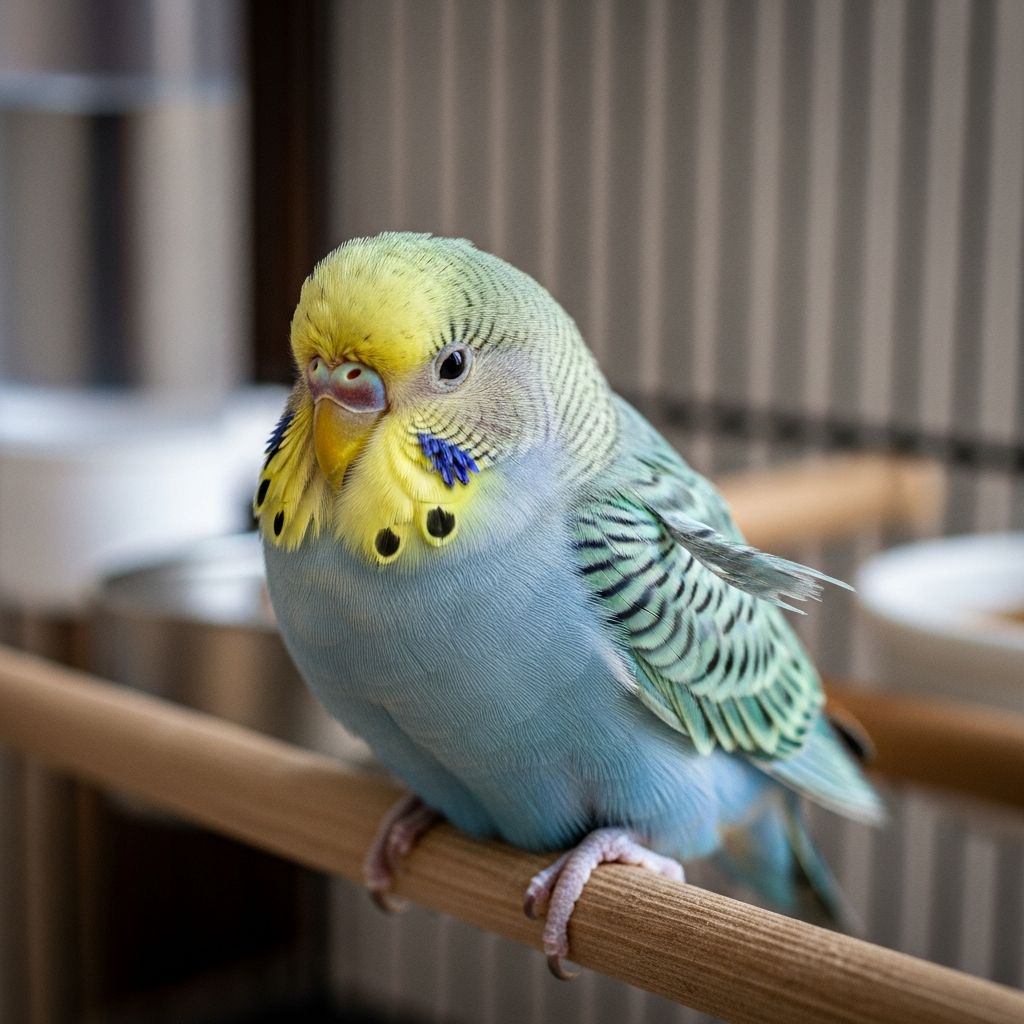
Pet birds make wonderful companions, but their instinct to conceal weakness means illnesses often advance quickly before owners notice. Recognizing subtle cues through daily observation can mean the difference between a full recovery and a tragic loss. This guide explores behavioral shifts, physical changes, waste patterns, and specific diseases, empowering you to safeguard your feathered friend’s well-being.
Why Birds Hide Their Sickness
In the wild, vulnerable birds become predator targets, so pet birds retain this survival mechanism. By the time symptoms appear, conditions may be severe. Healthy birds show bright eyes, sleek feathers, robust appetite, and high energy. Any deviation warrants attention, as delays can prove fatal.
Owners should establish baselines: note normal weight via keel bone feel (gently palpable but not sharp), eating habits, and activity levels. Daily checks reveal anomalies early.
Behavioral Indicators of Trouble
Watch for shifts in your bird’s daily routine, as these often signal underlying issues.
- Lethargy or sleepiness: Birds sleeping excessively, with half-closed eyes or huddling low, indicate distress. Normally active species become unusually still.
- Reduced appetite or thirst: Ignoring favorite foods or water signals pain or nausea. Track intake daily; sudden drops require immediate concern.
- Increased aggression: Biting or irritability toward owners or cage mates deviates from typical playfulness.
- Isolation: Avoiding interaction or perch companions points to weakness.
These signs, noted across sources, underscore the need for routine monitoring. A bird staying near feeders without fleeing danger exemplifies declining vitality.
Physical Symptoms to Monitor Closely
Visual checks reveal much about health. Examine feathers, posture, eyes, and breathing.
- Ruffled or fluffed feathers: Constant puffing conserves heat during illness, unlike brief preening puffs.
- Weight loss: Prominent, sharp keel bone signals emaciation; regular weighing prevents oversight.
- Eye and nose issues: Discharge, crustiness, swelling, or dullness suggest infections. Watery eyes or conjunctivitis demand urgent care.
- Breathing difficulties: Tail bobbing, open-mouth gasps, wheezing, or nasal discharge indicate respiratory distress.
- Abnormal cere: Discoloration, pus, or crust around nostrils flags infections.
- Feather problems: Discolored, broken, dirty, or missing feathers, plus lumps or swelling, require inspection.
Posture changes like drooping wings or floor-sitting further confirm issues. Healthy birds maintain upright stances and smooth plumage.
Understanding Droppings and Digestive Clues
Droppings offer direct health insights: normal ones feature solid dark green/brown fecal matter, white urates, and clear urine. Changes signal problems.
| Normal Droppings | Problematic Signs | Possible Causes |
|---|---|---|
| Solid dark fecal, white urates, minimal urine | Runny, watery, green, bloody, or excessive | Diarrhea, infections like salmonella |
| Consistent volume post-meal | Reduced or absent | Dehydration, crop issues |
| No strong odor | Foul smell, undigested seeds | Bacterial overgrowth, poor diet |
Monitor frequency and color; watery green droppings often tie to parrot fever or polyomavirus. Vomiting or distended crops with mucus point to candidiasis.
Common Diseases and Their Hallmarks
Familiarity with prevalent conditions aids quick identification. Here’s a breakdown:
Respiratory Infections
Bacterial, viral, fungal, or parasitic origins cause sneezing, wheezing, coughing, and labored breathing. Prevention involves clean cages to curb pathogen spread.
Psittacosis (Parrot Fever)
Chlamydia psittaci triggers lethargy, appetite loss, nasal/eye discharge, diarrhea, and breathing woes. Zoonotic risk necessitates antibiotics from avian vets, plus multivitamins.
Salmonella
Fecal contamination spreads this, yielding ruffled feathers, swollen eyelids, lethargy. Fatal within days; antibiotics mitigate but don’t cure. Clean feeders rigorously.
Egg Binding
Females strain with swollen abdomens, lethargy, floor-sitting. Emergency vet intervention is critical.
Psittacine Beak and Feather Disease (PBFD)
Viral assault leads to feather loss, beak issues, immune suppression. Incurable and often fatal; hygiene limits spread.
Polyomavirus
Swollen abdomen, weight loss, diarrhea; vaccinate early as no cure exists for infected birds.
Avian Pox
Growths, lesions, blisters on unfeathered skin, plus weakness and vision loss. Supportive care includes antimicrobials.
Emergency Response Protocol
Spotting signs? Act swiftly:
- Isolate the bird to prevent contagion.
- Maintain warmth (80-85°F), hydration, and hand-feeding if needed.
- Contact an avian veterinarian immediately—don’t delay.
- Avoid home remedies; professional diagnostics like exams or tests are essential.
Prepare by knowing your nearest avian vet, maintaining weight logs, and spotting trends early.
Preventive Strategies for Long-Term Health
Proactive care minimizes risks:
- Clean cages daily, disinfect weekly.
- Provide balanced diets, fresh water.
- Quarantine new birds 30-45 days.
- Schedule annual vet check-ups, vaccinations where applicable.
- Minimize stress via stable environments.
Dirty cages foster infections; hygiene is paramount.
FAQs on Bird Health Monitoring
What are the first signs my bird is sick?
Lethargy, fluffed feathers, appetite loss, or breathing changes top the list. Birds mask illness, so observe closely.
Can I treat my sick bird at home?
No—seek avian vets for accurate diagnosis and treatment. Supportive care aids but doesn’t replace professionals.
How often should I clean my bird’s cage?
Daily spot-cleaning, full weekly deep cleans reduce infection risks significantly.
Is bird illness contagious to humans?
Yes, psittacosis and salmonella pose zoonotic threats; use gloves, wash hands thoroughly.
How do I weigh my bird accurately?
Use a gram-scale weekly; feel the keel for changes. Consistency reveals subtle losses.
Building a Health Observation Routine
Integrate checks into daily interactions: morning appetite scan, midday activity watch, evening dropping review. Apps or journals track patterns. Healthy birds vocalize, play, preen vibrantly—deviations prompt action. With diligence, you extend your pet’s joyful life.
References
- Common Health Issues in Pet Birds and How to Prevent Them — myrightbird.com. 2023. https://myrightbird.com/articles/common-health-issues
- A Guide To Common Bird Diseases–Symptoms And Treatments — vetandtech.com. 2024. https://www.vetandtech.com/blogs/a-guide-to-common-bird-diseases-symptoms-and-treatments
- Common Bird Diseases & Parasites — Mass Audubon (massaudubon.org). 2023-01-15. https://www.massaudubon.org/nature-wildlife/birds/common-bird-diseases-parasites
- Bird Health: Signs of a Sick Bird, Avian Vet Care — Best Friends Animal Society (bestfriends.org). 2024. https://bestfriends.org/pet-care-resources/bird-health-signs-sick-bird-avian-vet-care
- Essential 2025 Guide to Recognizing Signs of Sickness in Birds — Flamingo Pet Clinic (flamingopetclinic.com). 2025-01-01. https://flamingopetclinic.com/signs-of-sickness-in-birds/
Similar Articles


Read full bio of Sneha Tete