

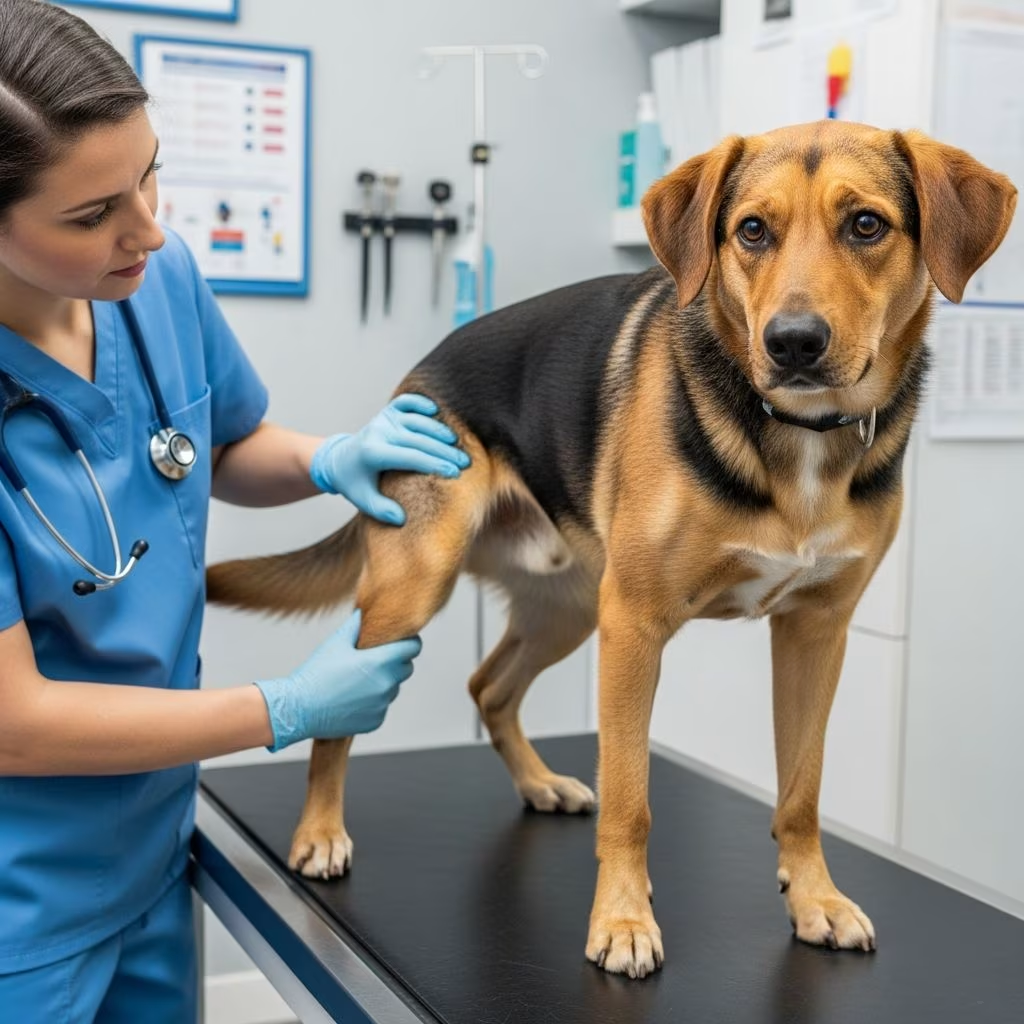
Hip dysplasia is a prevalent skeletal condition affecting many dogs, particularly larger breeds, where the hip joint fails to develop properly, leading to instability, pain, and eventual arthritis. Recognizing the signs promptly allows for interventions that can significantly enhance a dog’s quality of life.
Understanding the Basics of Canine Hip Dysplasia
The hip joint in dogs is a ball-and-socket structure designed for smooth, fluid movement. In hip dysplasia, the ball does not fit snugly into the socket, causing looseness that worsens over time. This malformation often begins during the growth phase, with puppies of predisposed breeds showing changes as early as a few weeks old, though symptoms may not appear until later.
Large and giant breeds like Labrador Retrievers, German Shepherds, and Golden Retrievers are most susceptible due to genetic factors, rapid growth, and sometimes environmental influences such as obesity or excessive exercise during puppyhood. While puppies may be born with normal hips, laxity develops quickly, progressing to osteoarthritis in maturity.
Key Physical Manifestations to Watch For
Owners often notice physical changes in their dog’s movement and posture first. These visible cues are critical for early suspicion of hip dysplasia.
- Lameness in hind legs: A common initial sign, ranging from mild limping after activity to severe hobbling. It may affect one or both rear legs and often worsens post-exercise.
- Bunny-hopping gait: Dogs propel themselves forward using both hind legs simultaneously, resembling a rabbit’s hop, especially noticeable when running or climbing.
- Stiffness upon rising: Difficulty or reluctance to stand from a sitting or lying position, with visible hesitation or wobbling.[10]
- Limited joint mobility: Reduced range of motion in the hips, sometimes accompanied by grating, clicking, or popping sounds during extension or flexion.
- Muscle wasting: Thinning of thigh muscles (atrophy) due to disuse, contrasted by enlarged shoulder muscles as the front compensates.
These symptoms can fluctuate; a dog might seem fine after warming up but stiffen again after rest.[10]
Behavioral and Activity Changes Indicating Pain
Beyond physical signs, shifts in behavior signal discomfort from hip dysplasia. Dogs in pain adjust their habits to avoid aggravating the joint.
- Reluctance to exercise: Avoiding walks, play, or runs they once loved; tiring quickly during activity.
- Increased sleeping or lethargy: More time resting, less enthusiasm for daily routines.
- Resistance to jumping or stairs: Hesitation or refusal to climb stairs, jump on furniture, or enter cars.
- Altered sitting posture: Sitting with hind legs splayed out or leaning to one side.
- Depression or irritability: Quiet demeanor, reduced playfulness, or sensitivity when touched around hips.
These changes often develop gradually, making regular observation essential, especially in at-risk breeds.
Age-Related Presentation of Symptoms
Hip dysplasia symptoms vary by age, categorized by veterinary experts into early-onset and mature cases.
| Age Group | Typical Symptoms | Underlying Issue |
|---|---|---|
| Young dogs (3-12 months) | Bunny hopping, mild lameness, exercise intolerance without arthritis | Joint laxity from malformation |
| Mature dogs (1-2+ years) | Chronic stiffness, severe lameness, muscle loss, grating sounds | Osteoarthritis secondary to dysplasia[10] |
Puppies may show subtle signs like weight shifting to front legs or brief lameness, while older dogs exhibit progressive hind-end weakness.
Breeds and Risk Factors for Heightened Vigilance
Not all dogs face equal risk. Genetic predisposition plays a starring role, with certain breeds overrepresented.
- High-risk breeds: German Shepherds, Labrador Retrievers, Golden Retrievers, Rottweilers, Saint Bernards.
- Contributing factors: Overweight puppies, rapid growth from high-calorie diets, over-exercise on hard surfaces.
Owners of these breeds should monitor from puppyhood, as early screening via veterinary exams or X-rays can confirm suspicions.
Steps for Home Assessment and When to Seek Help
While not a substitute for professional diagnosis, home checks can prompt timely vet visits.
- Observe gait on flat ground and slopes; note hopping or swaying.
- Gently flex and extend hips; listen for crepitus (grinding) and watch for pain reactions.
- Compare thigh muscle symmetry by feel and sight.
- Track activity levels over weeks.
Consult a vet if multiple signs persist, especially post-exercise worsening or in at-risk dogs. Diagnosis typically involves physical exams, X-rays, and sometimes advanced imaging.[10]
Differentiating Hip Dysplasia from Similar Conditions
Symptoms overlap with arthritis, Lyme disease, cruciate ligament tears, or patellar luxation. Key distinguishers:
- Hip dysplasia: Bilateral, progressive, with bunny hopping; no trauma history.
- Arthritis: Older dogs, symmetric stiffness, improves with warmth.
- Injury: Sudden onset, unilateral.
Veterinary palpation and radiographs provide definitive differentiation.
FAQs on Hip Dysplasia Symptoms
Can hip dysplasia appear suddenly in adult dogs?
No, it develops gradually, but symptoms may seem abrupt after triggering events like heavy exercise.
Is bunny hopping always hip dysplasia?
Commonly yes, but confirm with a vet to rule out neurological issues.
Do small breeds get hip dysplasia?
Rarely, but possible; large breeds dominate cases.
Can I prevent symptoms through diet?
Controlled growth diets reduce severity in predisposed pups.
What if my puppy limps occasionally?
Monitor closely; early vet eval prevents progression.
Long-Term Outlook with Early Detection
Spotting signs early enables conservative management like weight control, physical therapy, joint supplements, and pain meds, delaying surgery needs. In severe cases, procedures like femoral head ostectomy or total hip replacement restore function. Proactive care keeps dogs mobile and happy longer.
References
- Hip Dysplasia in Dogs: Early Signs, Treatment, and Prevention — GoodRx. 2023. https://www.goodrx.com/pet-health/dog/hip-dysplasia-in-dogs
- Hip Dysplasia in Dogs | Symptoms and Treatment — Blue Cross. 2024. https://www.bluecross.org.uk/advice/dog/health-and-injuries/hip-dysplasia-in-dogs
- What Are the Signs of Hip Dysplasia in Dogs? — Ark Animal Hospital. 2023. https://www.arkanimalhospital.net/blog/what-are-the-signs-of-hip-dysplasia-in-dogs/
- Hip Dysplasia in Dogs: Signs, Symptoms, Treatment — American Kennel Club. 2024. https://www.akc.org/expert-advice/health/hip-dysplasia-in-dogs/
- Hip Dysplasia in Dogs – Signs, Symptoms, Diagnosis and Treatment — Morris Animal Foundation. 2023. https://www.morrisanimalfoundation.org/article/disease/hip-dysplasia-in-dogs
- Hip Dysplasia in Dogs: Signs, Treatment, Surgery — PetMD. 2024. https://www.petmd.com/dog/conditions/musculoskeletal/hip-dysplasia-dogs
- Hip Dysplasia in Dogs — PDSA. 2024. https://www.pdsa.org.uk/pet-help-and-advice/pet-health-hub/conditions/hip-dysplasia-in-dogs



