
Spotting Hip Dysplasia in Dogs Early
Learn to identify the subtle signs of hip dysplasia in your dog, from limping to gait changes, for timely intervention and better outcomes.
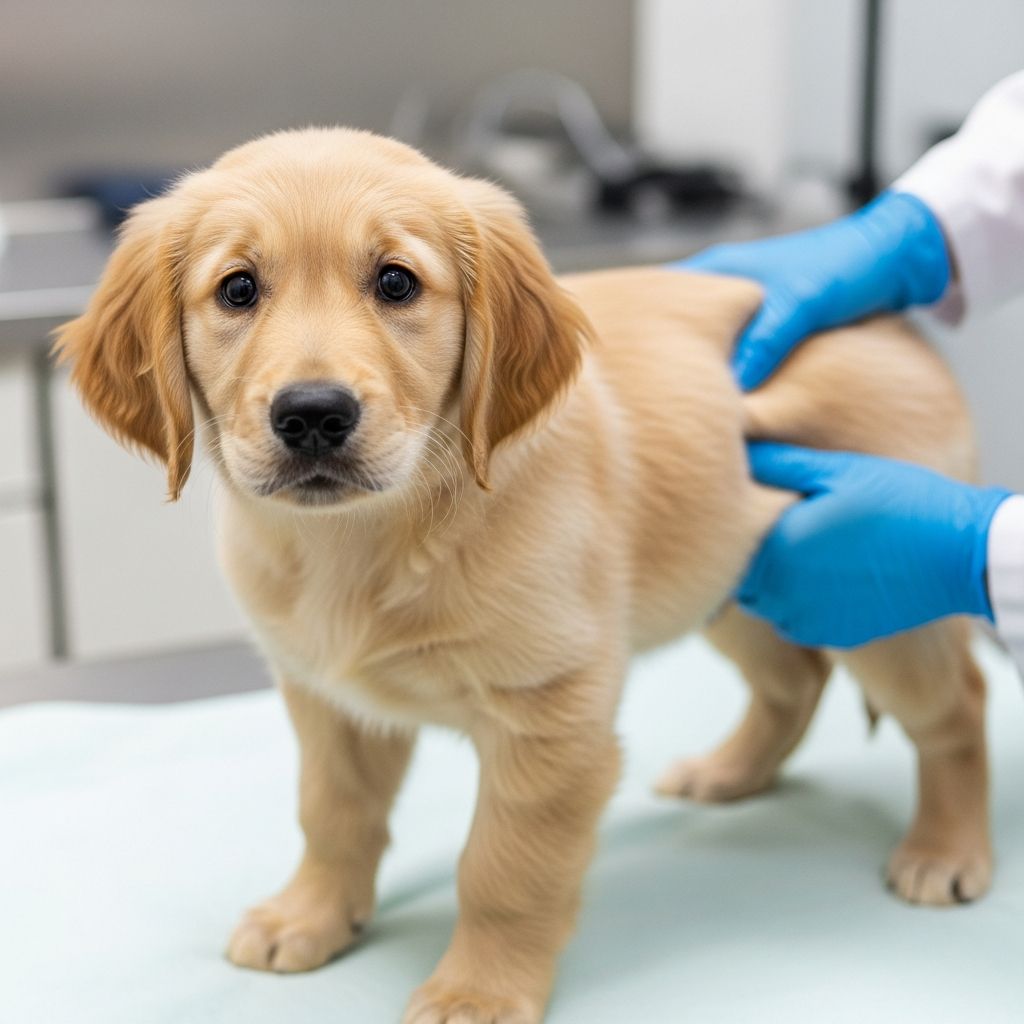
Hip dysplasia is a prevalent orthopedic condition in dogs where the hip joint fails to develop properly, leading to looseness, instability, and eventual arthritis. This malformation causes the ball and socket of the hip to grind abnormally, resulting in pain and mobility challenges that worsen over time. Recognizing early indicators allows owners to seek veterinary care promptly, potentially slowing progression and enhancing the dog’s comfort.
Understanding the Basics of Canine Hip Dysplasia
The hip joint consists of a femoral head (ball) that fits into the acetabulum (socket). In affected dogs, this fit is imperfect—too loose or shallow—causing joint laxity. During growth, especially in large breeds, rapid development exacerbates the issue, stretching supporting tissues and promoting degenerative changes. While genetic factors predominate, environmental influences like overfeeding or excessive exercise in puppies contribute. Symptoms often emerge between 4 months and 2 years but can appear later with osteoarthritis.
Key Physical Signs to Watch For
Owners frequently notice changes in movement and posture first. Common manifestations include:
- Limping or lameness in one or both hind legs, which may be intermittent or constant, without prior injury.
- Stiffness, particularly after rest, making it hard for the dog to rise or stretch.
- Difficulty with daily activities such as jumping onto furniture, climbing stairs, or running.
- Enlarged shoulder muscles compensating for weakened hindquarters, alongside thigh muscle atrophy.
These signs stem from joint inflammation and pain, prompting dogs to avoid using affected limbs.
Changes in Gait and Mobility Patterns
A hallmark of hip dysplasia is an altered walking style. Dogs may exhibit a “bunny hopping” gait, where hind legs move together during trotting, or a swaying rear end. Other patterns include:
- Unsteady footing or wobbliness, especially on slippery surfaces.
- Reluctance to turn quickly or bear weight on hind legs.
- Grating or popping sounds from the joint during motion.
Such gait abnormalities arise as the unstable joint forces compensatory movements, accelerating wear. Early observation during play or walks can reveal these before severe lameness sets in.
Behavioral and Activity Level Shifts
Pain influences demeanor profoundly. Affected dogs often show:
- Reduced enthusiasm for walks, play, or exercise, preferring to lie down.
- Lethargy or depression, appearing withdrawn or less interactive.
- Pain sensitivity when hips are touched, sometimes leading to guarding or aggression.
These shifts occur because chronic discomfort discourages movement, creating a cycle of muscle loss and further instability. Puppies might mask symptoms due to resilience, but middle-aged or senior dogs display them more overtly.
Factors Influencing Symptom Onset and Severity
Symptom intensity varies by age, breed, and joint damage extent. Large breeds like German Shepherds, Labrador Retrievers, and Golden Retrievers are prone due to genetics and size. Puppies may show signs at 4 months from laxity alone, while adults develop them via secondary arthritis.
| Breed Group | High-Risk Breeds | Typical Onset Age |
|---|---|---|
| Large | German Shepherd, Labradoodle | 6-12 months |
| Giant | Saint Bernard, Great Dane | 1-2 years |
| Medium | Border Collie, Spaniel | 2+ years |
Mild cases might lack overt signs initially, with X-rays revealing issues before clinical lameness. Overweight dogs experience amplified symptoms due to added joint stress.
How to Perform At-Home Assessments
While not diagnostic, home checks aid in deciding veterinary visits. Observe:
- Your dog’s rise from lying: Note hesitation or hopping.
- Gait on even ground: Look for bunny hopping or swaying.
- Muscle symmetry: Compare thigh and shoulder bulk visually.
- Response to touch: Gently palpate hips for reactions.
Video unusual behaviors for your vet. Avoid forcing activity, as it could worsen pain.
Diagnostic Approaches by Veterinarians
Vets confirm via physical exams, palpation for laxity, and imaging. X-rays assess joint congruence and arthritis. Advanced tools like CT scans or PennHIP evaluations predict risk in juveniles. Bloodwork rules out infections mimicking symptoms. Early diagnosis enables conservative management before surgery.
Management Strategies for Affected Dogs
Treatment scales with severity:
- Weight control and diet: Reduces joint load.
- Physical therapy: Builds muscle, improves range.
- Medications: NSAIDs for inflammation, joint supplements like glucosamine.
- Surgery: Juvenile pubic symphysiodesis for pups, femoral head ostectomy, or total replacement for adults.
Lifestyle adjustments, such as ramps and orthopedic beds, enhance comfort.
Preventive Measures for At-Risk Puppies
Screen breeding stock via OFA or PennHIP certifications. Feed growth-appropriate diets to avoid rapid weight gain. Limit high-impact exercise until skeletal maturity at 18-24 months. Regular vet checks catch issues early.
Common Myths About Hip Dysplasia
- Myth: Only old dogs get it. Fact: Puppies can show signs young.
- Myth: It’s always visible on X-rays early. Fact: Clinical signs may precede radiographic changes.
- Myth: Supplements cure it. Fact: They manage symptoms, not the malformation.
Frequently Asked Questions
Can hip dysplasia be cured completely?
No, but early intervention manages pain and maintains function effectively.
Is hip dysplasia hereditary?
Yes, primarily genetic, so choose responsible breeders.
What breeds are most susceptible?
Large and giant breeds like Labs, Shepherds, and Rottweilers.
How much does treatment cost?
Varies; meds $50-200/month, surgery $3,500-7,000.
Can small dogs get hip dysplasia?
Less common, but possible in breeds like Cocker Spaniels.
Long-Term Prognosis and Quality of Life
With management, most dogs lead active lives. Mild cases respond to conservatives; severe ones benefit from surgery, restoring near-normal mobility. Monitor weight, exercise moderately, and follow vet plans to minimize arthritis progression. Owners report high satisfaction post-treatment, with dogs resuming play and walks.
References
- Hip Dysplasia in Dogs | Symptoms and Treatment — Blue Cross. 2023. https://www.bluecross.org.uk/advice/dog/health-and-injuries/hip-dysplasia-in-dogs
- What Are the Signs of Hip Dysplasia in Dogs? — Ark Animal Hospital. 2024. https://www.arkanimalhospital.net/blog/what-are-the-signs-of-hip-dysplasia-in-dogs/
- Hip Dysplasia in Dogs: Signs, Symptoms, Treatment — American Kennel Club. 2025-01-15. https://www.akc.org/expert-advice/health/hip-dysplasia-in-dogs/
- Hip Dysplasia in Dogs: Signs, Treatment, Surgery — PetMD. 2024-06-10. https://www.petmd.com/dog/conditions/musculoskeletal/hip-dysplasia-dogs
- Hip Dysplasia in Dogs | VCA Animal Hospitals — VCA. 2024. https://vcahospitals.com/know-your-pet/hip-dysplasia-in-dogs
Similar Articles








Read full bio of Sneha Tete




