Spotting a Healthy Iguana: Care Essentials
Discover vital signs of a thriving iguana, from ideal habitats to nutrition tips for long-term vitality and happiness.
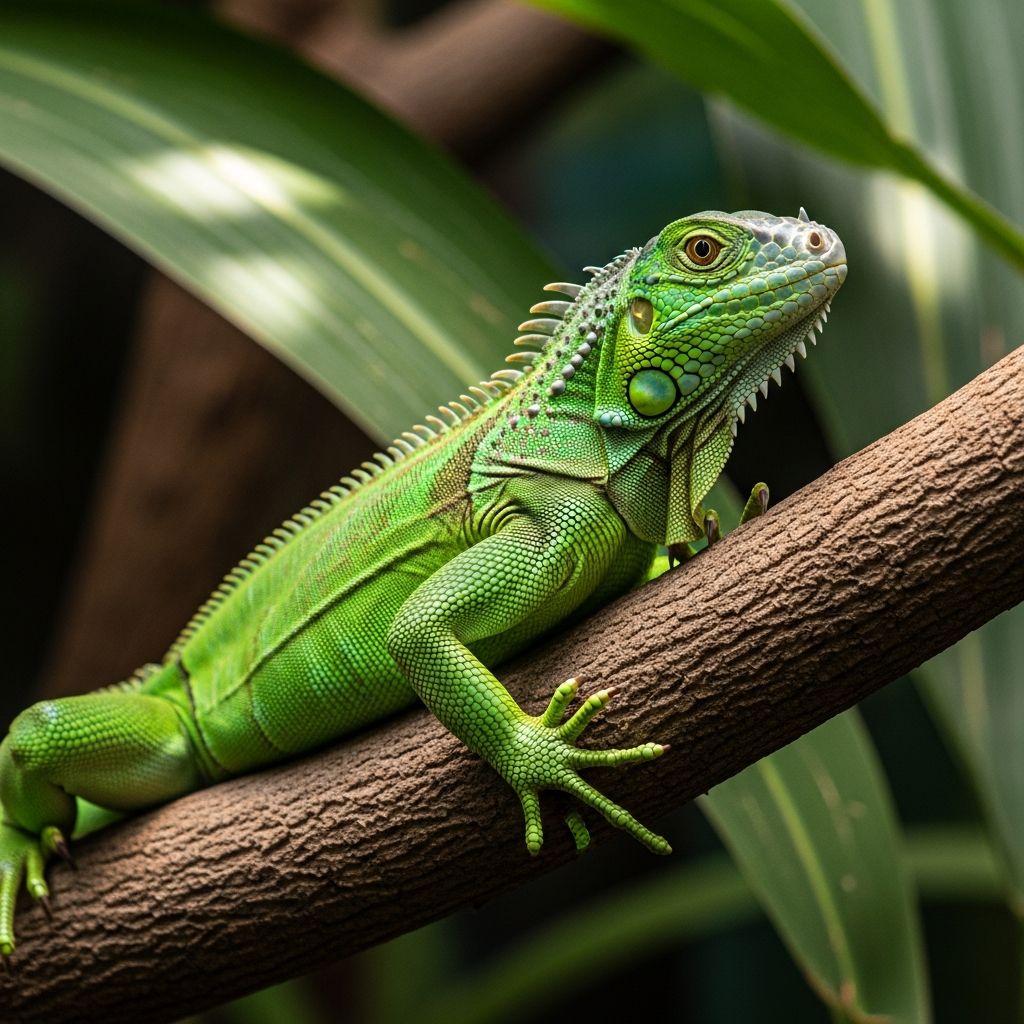
Owning an iguana demands attention to specific environmental and behavioral cues that signal robust health. These large lizards flourish when their tropical origins are replicated through precise temperature gradients, ultraviolet lighting, and moisture levels. Monitoring physical appearance, activity patterns, and shedding processes reveals much about their condition. This guide explores foundational care practices drawn from veterinary recommendations to help keepers recognize vitality and address issues early.
Physical Indicators of Iguana Wellness
A thriving iguana displays clear eyes without discharge, smooth skin free of blisters or discoloration, and a robust body free of lumps. Active exploration, relaxed basking postures, and steady appetite intake mark behavioral health. Weight consistency, measured regularly, prevents obesity or malnutrition concerns common in captive settings.
- Clear, bright eyes: No swelling, cloudiness, or mucus buildup, indicating no respiratory infections.
- Smooth skin texture: Even coloration without dry patches, wounds, or parasites.
- Firm musculature: Tail and limbs show strength without visible bones or excessive fat deposits.
- Regular shedding: Complete, piece-by-piece removal without stuck fragments.
Observe jaw alignment and dewlap condition; a plump, symmetrical dewlap suggests good hydration. Fecal output should be firm and greenish, reflecting a plant-based diet.
Optimal Enclosure Design for Vitality
Iguanas require expansive habitats mimicking rainforests. Juveniles need at least 6x4x6 feet, scaling to room-sized for adults. Vertical space with climbing branches supports natural behaviors.
| Enclosure Feature | Requirements | Benefits |
|---|---|---|
| Temperature Gradient | Ambient 85-90°F, basking 95-105°F | Supports digestion, prevents metabolic bone disease |
| UVB Lighting | 10-12 hours daily, replace bulbs every 6 months | Enables vitamin D synthesis for calcium absorption |
| Humidity | 70-90%, monitored with hygrometer | Aids respiration, shedding, and skin health |
| Substrate | Paper pellets or reptile carpet | Easy cleaning, low toxicity risk |
Incorporate hides at cool and warm ends, plus large water tubs for soaking. Secure lids prevent escapes, while ventilation curbs mold growth.
Maintaining Proper Humidity and Hydration
High humidity prevents respiratory ailments and eases molting. Mist enclosures twice daily using pump sprayers, and employ automatic systems for consistency. Nighttime cool mist humidifiers boost levels in arid regions, always using distilled water to avoid mineral buildup.
Provide shallow, warm water bowls changed daily for drinking and immersion. Soaks lasting 10-15 minutes aid hydration via skin absorption, especially during sheds. Watch for voluntary bathing as an enrichment sign; force only if needed, avoiding stress indicators like tail thrashing.
Nutrition Strategies for Peak Condition
Strict herbivory defines iguana diets: 80-90% leafy greens like collards, mustard, and dandelions, 10% veggies and occasional fruits. Avoid proteins to prevent kidney strain. Pelleted foods supplement, dusted with calcium and multivitamins like Repashy Superveggie daily.
- Staples: Kale, turnip greens, squash.
- Fruits sparingly: Berries, mango to avoid diarrhea.
- Edible flowers: Hibiscus, nasturtiums if pesticide-free.
- Supplements: Calcium without D3 on UVB days; with D3 otherwise.
Feed juveniles thrice weekly, adults daily in morning. Fresh water access is non-negotiable, with siphons easing tub maintenance.
Daily and Weekly Maintenance Routines
Spot-clean droppings and uneaten food daily to thwart bacteria. Weekly deep cleans involve relocating the iguana, scrubbing with 3% bleach or reptile-safe disinfectants, rinsing thoroughly, and drying fully before reassembly.
- Relocate iguana securely.
- Remove all items and waste.
- Disinfect surfaces, dwell 10 minutes if using bleach.
- Rinse and air-dry completely.
- Reinstall clean substrate and decor.
Wash hands pre- and post-handling to minimize salmonella risks. Thermometers and hygrometers ensure parameter stability.
Recognizing and Preventing Common Health Issues
Metabolic bone disease from poor lighting manifests as swollen jaws or tremors. Respiratory infections show open-mouth breathing or wheezing, often from low humidity. Parasites cause weight loss or abnormal stools; annual vet fecal exams detect them.
Overfeeding fruits leads to runny feces; adjust for firmness. Stuck sheds risk circulation issues—mist and soak persistently, consulting vets if unresolved.
- Early signs to watch: Lethargy, appetite loss, discolored urine.
- Prevention: Consistent UVB, diet adherence, hygiene.
Veterinary Checkups and Long-Term Monitoring
Annual exams include physicals, bloodwork, and fecal tests. Share enclosure photos for habitat critiques. New iguanas settle 2 weeks before handling; build trust via proximity and voice association.
Track weight biweekly, photos monthly for growth assessment. UVB bulbs lose efficacy invisibly—replace biannually regardless.
Enrichment and Behavioral Health Signals
Healthy iguanas climb, bask symmetrically, and explore without hiding excessively. Offer branches, shelves, and safe plants for mental stimulation. Hand-feeding fosters bonds once acclimated.
Stress signals—hissing, dark coloration, rapid breathing—demand space. Voluntary interaction indicates comfort.
FAQs on Iguana Care
How often should I mist my iguana’s enclosure?
Mist twice daily, plus mid-afternoon if needed, targeting 70-90% humidity.
Can iguanas eat fruit every day?
No, limit to 10% of diet weekly to prevent digestive upset.
What if my iguana won’t eat?
Check temperatures, stress, and shedding; consult a vet if persisting over days.
How do I know if UVB is sufficient?
Observe no bone deformities and regular sheds; test lamps annually.
Is bathing necessary?
Weekly optional for enjoyment, daily during sheds for hydration.
References
- Green Iguana Care Sheet — PetMD. 2023. https://www.petmd.com/reptile/green-iguana-care-sheet
- Iguana Care Tips — Long Island Bird & Exotics Veterinary Services. 2022. https://www.birdexoticsvet.com/iguana-care-tips
- Green Iguana Care Sheet — ReptiFiles. 2024. https://reptifiles.com/green-iguana-care-sheet/
- Iguana Care Guide — Whitesburg Animal Hospital. 2022-12-15. https://www.whitesburganimalhospital.com/site/blog/2022/12/15/iguana-care-guide
- Green Iguana Care Guide — Winter Park Veterinary Hospital. 2023. https://wpvet.com/exotic-pets-care-guides/green-iguana-care-guide/
Similar Articles








Read full bio of Sneha Tete