Spotting Fluid Buildup In Cat Lungs: 6 Warning Signs For Owners
Learn to identify early signs of pulmonary edema or pleural effusion in cats and understand when to seek urgent veterinary care for breathing difficulties.
Spotting Fluid Buildup in Cat Lungs
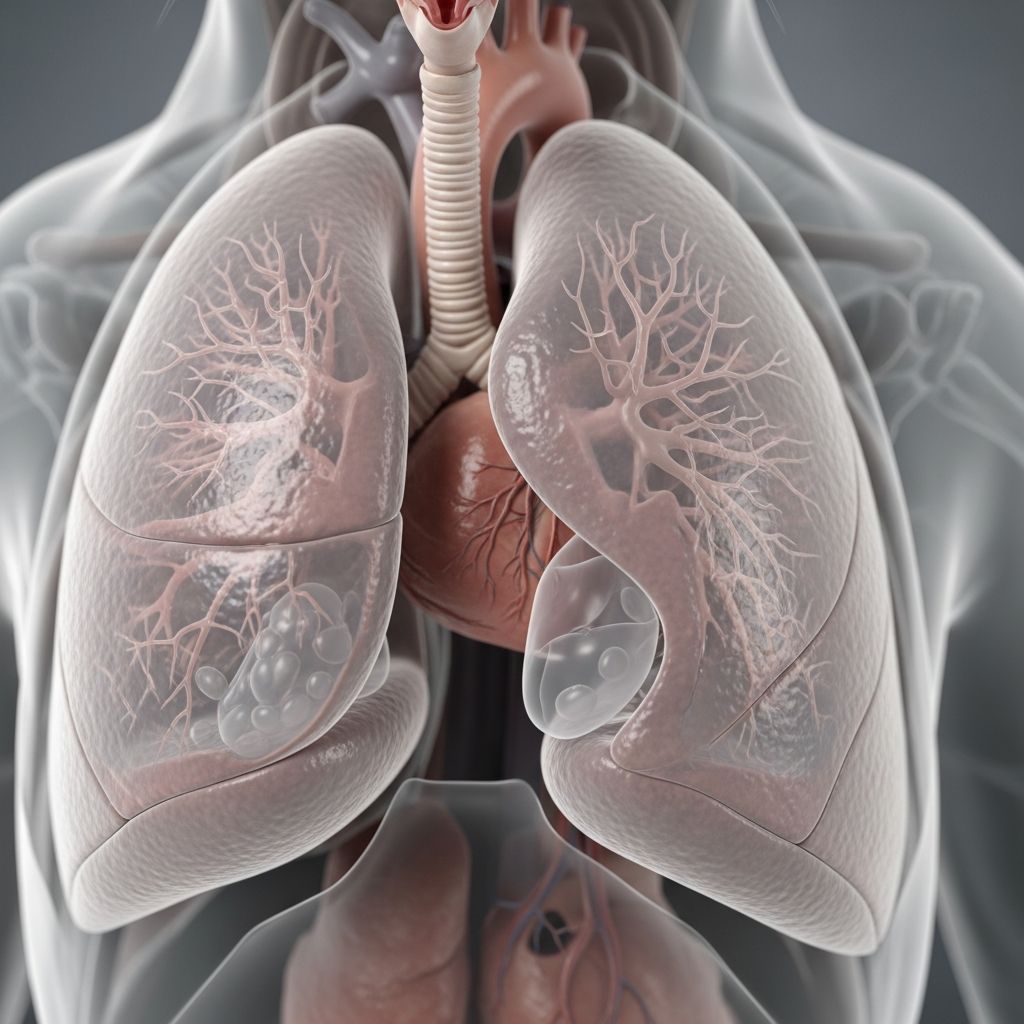
Fluid accumulation in a cat’s lungs or chest cavity poses a life-threatening emergency that demands immediate recognition by pet owners. Known medically as pulmonary edema or pleural effusion, this condition compresses lung tissue, impairing oxygen exchange and leading to severe respiratory distress.
Understanding Respiratory Distress in Cats
Cats mask illness well, but fluid-related breathing issues reveal themselves through distinct behavioral and physical changes. Dyspnea, or labored breathing, often stems from cardiogenic or non-cardiogenic sources, where the heart fails to pump effectively or external factors like infection damage lung tissue. A normal cat breathes 20-30 times per minute at rest; anything exceeding 40 breaths signals trouble.
Owners might first notice their cat adopting unusual postures, such as extending the neck or pushing elbows outward to expand the chest cavity. This compensatory mechanism aids airflow when lungs are flooded. Open-mouth breathing, rare in healthy felines, indicates desperation as nasal passages alone cannot suffice.
Key Symptoms to Watch For
Recognizing fluid buildup requires vigilant observation. Common indicators include:
- Rapid shallow breaths: Tachypnea over 40 breaths per minute, often with visible abdominal heaving.
- Increased effort: Flared nostrils, exaggerated chest movements, or wheezing sounds.
- Postural changes: Extended neck, elbows abducted, or sitting hunched forward.
- Behavioral shifts: Lethargy, hiding, appetite loss, or reluctance to move.
- Audible cues: Coughing, crackles, or moist rales during respiration.
- Cyanosis: Blue-tinged gums or tongue from oxygen deprivation in advanced cases.
These signs escalate quickly; a cat collapsing or fainting warrants instant veterinary attention. Differentiate from asthma, where wheezing predominates without fluid sounds, or upper airway blocks causing stridor.
Common Causes of Fluid Accumulation
Fluid in cat lungs arises from two main categories: within the lung tissue (pulmonary edema) or surrounding it in the pleural space (effusion).
Heart-Related Origins
Congestive heart failure (CHF) from hypertrophic or dilated cardiomyopathy tops the list. The weakened heart allows blood to back up, leaking fluid into alveoli via elevated pressure. Symptoms pair respiratory woes with weakness and poor appetite.
Infection and Inflammation
Pneumonia or acute respiratory distress syndrome (ARDS) triggers inflammatory cascades, flooding lungs with exudate. Bacterial, viral, or aspiration sources inflame tissues, mimicking heart failure on exams. Feline infectious peritonitis (FIP) often causes bilateral pleural effusion alongside abdominal fluid.
Trauma and Injury
Blunt force, like falls or vehicular impacts, bruises lungs (contusions), permitting fluid seepage. Pneumothorax, air in the pleural space, compounds this by collapsing lungs.
Other Contributors
Neoplasia, chylothorax (milky lymph fluid), or systemic issues like nephrotic syndrome lead to effusions. Idiopathic cases persist despite workups.
| Cause Category | Examples | Fluid Type | Key Features |
|---|---|---|---|
| Cardiogenic | CHF, Cardiomyopathy | Pulmonary Edema | Perihilar opacities on X-ray, muffled heart sounds |
| Inflammatory | Pneumonia, ARDS, FIP | Mixed Effusion | Fever, crackles, ventral fluid line |
| Traumatic | Contusions, Pneumothorax | Serosanguineous | History of injury, rapid onset |
| Neoplastic | Lung Tumors | Chylous or Bloody | Masses on imaging, weight loss |
Diagnostic Approaches in Veterinary Practice
Vets start with history and observation, noting respiratory patterns: restrictive (shallow, rapid) suggests pleural issues. Auscultation reveals muffled ventral lung sounds or fluid lines, distinguishing from parenchymal disease.
Imaging Essentials: Thoracic radiographs show enlarged hearts, perihilar haze, or pleural rim signs. Post-drainage views clarify underlying emphysema or nodules. Echocardiograms assess cardiac function, measuring chamber sizes and contractility.
Laboratory and Fluid Analysis: Bloodwork checks for infection, anemia, or organ strain. Thoracocentesis samples pleural fluid for cytology: clear transudate hints at CHF; cloudy exudate signals infection; triglyceride levels confirm chylothorax.
Rule out differentials like heartworm, bronchitis, or diaphragmatic hernia via targeted tests.
Emergency Management and Stabilization
Time is critical; oxygen therapy via mask or chamber precedes diagnostics. Fluid drainage (thoracocentesis) relieves pressure, improving breaths instantly. Sedation minimizes stress-induced worsening.
Treat underlying causes: diuretics like furosemide for CHF, antibiotics for pneumonia. Monitor for reaccumulation, especially in FIP or cancer cases with guarded prognoses.
Long-Term Care and Prevention Strategies
Post-crisis, cardiac meds (e.g., pimobendan) and low-sodium diets manage CHF. Regular echoes track progress. For idiopathic chylothorax, octreotide or surgery may be options.
Prevent via routine checkups, especially for breeds prone to cardiomyopathy like Maine Coons. Prompt trauma care and vaccinations curb infections.
FAQs
Q: How fast does fluid buildup progress in cats?
A: Hours to days; heart failure can cause acute crises, while infections build gradually.
Q: Can I treat fluid in lungs at home?
A: No—always rush to a vet. Home remedies risk delay.
Q: Is pleural effusion always fatal?
A: No, but prognosis varies by cause; early intervention boosts survival.
Q: What breeds are at higher risk?
A: Those with genetic cardiomyopathies, like Ragdolls or Persians.
Q: How do I count my cat’s breaths?
A: Watch chest rise/fall for 15 seconds, multiply by 4. Do it quietly.
References
- How to Recognize Fluid in a Cat’s Lungs — PetPlace.com. 2023. https://www.petplace.com/article/cats/pet-health/cat-health/how-to-recognize-fluid-in-a-cats-lungs
- Pleural Effusion in the Cat: A Practical Approach — PMC/NCBI. 2024-05-15. https://pmc.ncbi.nlm.nih.gov/articles/PMC11148994/
- Fluid in the Lungs in Cats — PetMD. 2023. https://www.petmd.com/cat/conditions/respiratory/c_ct_pulmonary_edema
- Disorders of the Chest Cavity of Cats — Merck Veterinary Manual. 2025-01-01. https://www.merckvetmanual.com/cat-owners/lung-and-airway-disorders-of-cats/disorders-of-the-chest-cavity-of-cats
- Lung Ailments: A Widespread Source of Feline Woe — Cornell University College of Veterinary Medicine. 2024. https://www.vet.cornell.edu/departments-centers-and-institutes/cornell-feline-health-center/health-information/feline-health-topics/lung-ailments-widespread-source-feline-woe
Similar Articles







Read full bio of Sneha Tete