

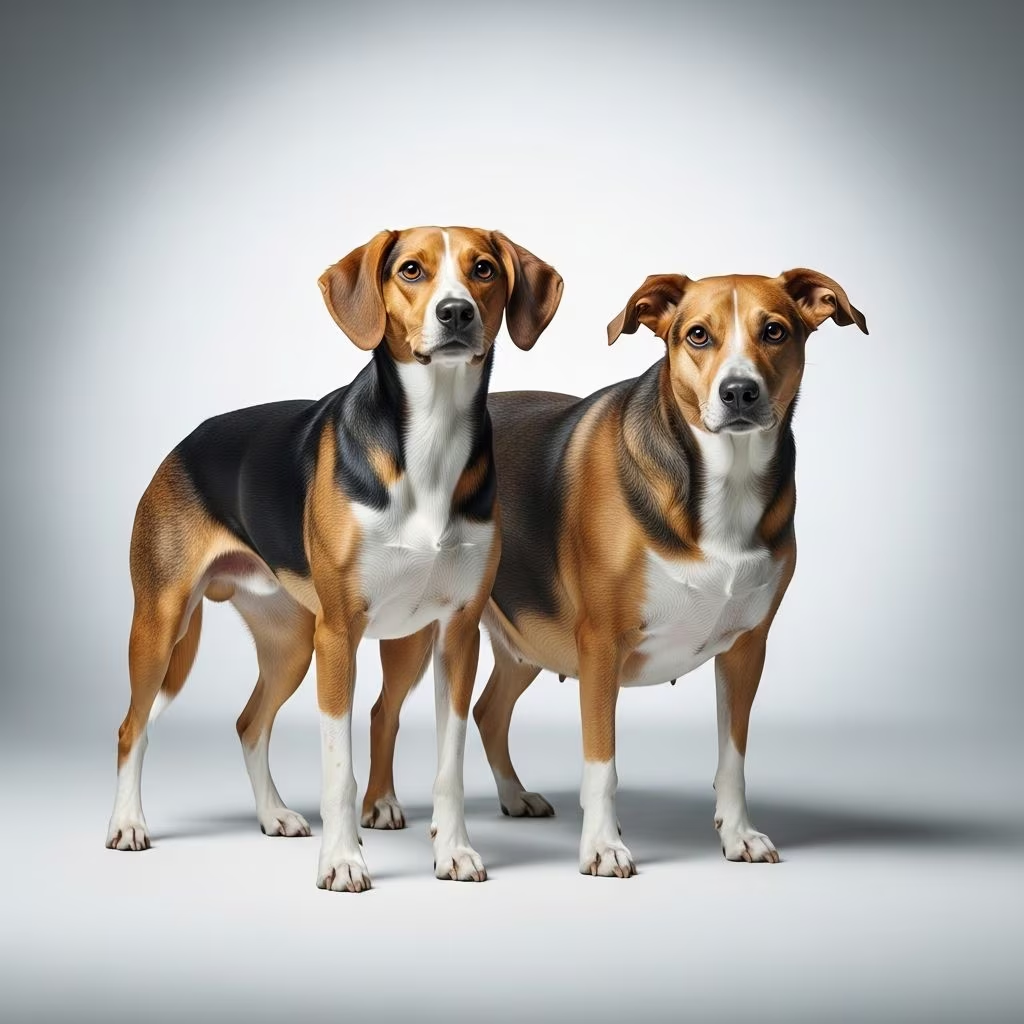
Many dogs struggle with excess weight, which can shorten their lifespan and lead to various health complications. Identifying if your dog is overweight early allows for timely interventions through balanced nutrition and increased physical activity, promoting a healthier life.
Understanding the Scope of Canine Obesity
Obesity in dogs arises from an energy imbalance where calorie intake exceeds expenditure, influenced by factors like breed, age, neuter status, and lifestyle. Studies show that social dynamics, owner habits, and limited exercise contribute significantly to this issue. Approximately half of dogs in developed countries face weight problems, mirroring human trends and underscoring the need for proactive management.
Excess fat not only affects appearance but alters metabolism, potentially leading to insulin resistance and reduced mobility. Breeds such as Labrador Retrievers and Beagles are particularly prone due to genetic predispositions toward efficient fat storage.
Simple Home Checks for Excess Weight
Owners can perform quick assessments without special tools. Feel your dog’s ribs: they should be palpable with slight fat cover, not buried deep. From above, a visible waistline and abdominal tuck when viewed from the side indicate ideal weight.
Visual cues include a rounded belly instead of a tucked profile and difficulty feeling the spine or hip bones. Track weight monthly using a pet or human scale (hold your dog and subtract your weight). Sudden gains or plateaus signal a need for adjustment.
- Run your hands along the sides; ribs should show with minimal pressure.
- Observe from behind: an hourglass shape is healthy.
- Check for fat deposits at the tail base or over the hips.
Health Risks Tied to Extra Pounds
Overweight dogs face heightened risks of osteoarthritis, type 2 diabetes, cardiovascular disease, and certain cancers. Joint stress from fat accumulation accelerates wear, causing pain and reluctance to move, creating a vicious cycle of inactivity.
Respiratory issues, heat intolerance, and skin problems also emerge, as folds trap moisture and bacteria. Long-term, obese dogs have shorter lifespans by up to two years, emphasizing prevention.
| Condition | Symptoms in Overweight Dogs | Impact |
|---|---|---|
| Osteoarthritis | Limping, stiffness after rest | Reduced mobility, chronic pain |
| Diabetes | Increased thirst, urination | Organ damage if unmanaged |
| Heart Disease | Labored breathing, lethargy | Shortened lifespan |
| Cancer Risk | Unexplained lumps | Higher incidence rates |
Consulting Your Veterinarian First
Before changes, schedule a vet exam to rule out underlying issues like hypothyroidism or Cushing’s disease mimicking obesity. Vets use Body Condition Scores (BCS) from 1-9 or 1-5 scales, aiming for 4-5/9 where ribs are felt easily.
They’ll set a target weight (typically 5-20% loss initially) and calculate daily energy requirements (DER) based on resting energy needs adjusted for activity. Bloodwork ensures safe progress.
Nutrition Strategies for Weight Reduction
Diet forms the cornerstone, accounting for 70-80% of weight loss success. Switch to vet-recommended therapeutic formulas with lower calories but high protein to preserve muscle.
Measure portions precisely with a gram scale, avoiding eyeballing. Divide daily intake into 3-4 smaller meals to boost satiety and curb begging. Limit treats to under 10% of calories, opting for veggies like green beans or carrots.
- Use puzzle feeders to slow eating and increase mental engagement.
- Incorporate low-cal fillers: add water or broccoli to kibble.
- Avoid table scraps; they pack hidden calories.
Ingredients like L-carnitine aid fat metabolism. Recent studies confirm higher protein diets during calorie restriction minimize lean mass loss.
Building an Effective Exercise Routine
Exercise burns calories, builds muscle, and enhances mental health, but must start gradually for overweight dogs to avoid injury. Aim for 30 minutes daily, split into sessions suiting your schedule and dog’s fitness.
Walking is foundational: begin with 5-10 minutes thrice daily, increasing by 10% weekly. Brisk pace elevates heart rate without exhaustion—owners should break a light sweat.
Incorporate fun: fetch, swim (low-impact for joints), or hide-and-seek. Track steps with apps or diaries for accountability.
Exercise Ideas by Dog Profile
| Dog Type | Recommended Activities | Duration/Frequency |
|---|---|---|
| Small/Senior | Short walks, indoor fetch | 10-15 min, 3x/day |
| Medium/Active | Brisk walks, swimming | 20-30 min, 2x/day |
| Large/High-Energy | Hiking, agility games | 30-45 min, daily |
Address barriers: train for leash manners if pulling occurs, or use harnesses. Indoor options like treadmill walking suit bad weather.
Tracking Progress and Staying Motivated
Weigh biweekly or monthly, adjusting calories if loss stalls (1-2% body weight weekly is ideal). Photos and measurements complement scales.
Owners benefit too: joint walks improve adherence. Celebrate milestones with non-food rewards like new toys. If progress halts, revisit the vet for tweaks.
Long-Term Maintenance for Lasting Health
Once at goal, transition to maintenance food gradually. Sustain exercise as lifelong habit, monitoring for seasonal weight fluctuations.
Educate on breed-specific needs; spayed/neutered dogs require 20-30% fewer calories. Annual vet checks prevent regain.
Frequently Asked Questions
How much should my dog weigh?
Ideal weight varies by breed; consult BCS charts. Labs average 55-80 lbs, adjusted for frame.
Can puppies be overweight?
Yes, but growth phases demand caution. Focus on controlled feeding.
What if my dog refuses exercise?
Start tiny, use motivation like toys. Vet-check for pain first.
Are grain-free diets better for weight loss?
No evidence; prioritize calorie control and protein.
How fast is safe weight loss?
1-2% per week prevents muscle loss.
References
- How Exercise Fits With Nutrition in a Weight-Management Plan — Today’s Veterinary Nurse. 2023. https://todaysveterinarynurse.com/nutrition/how-exercise-fits-with-nutrition-in-a-weight-management-plan/
- Obesity and weight management tips — Cornell University College of Veterinary Medicine. 2024. https://www.vet.cornell.edu/departments-centers-and-institutes/riney-canine-health-center/canine-health-topics/obesity-and-weight-management-tips
- Dog Weight Loss Information — Pet Obesity Prevention. 2024. https://www.petobesityprevention.org/weight-loss-dogs
- Weight Reduction Dog Food and Exercise Tips — Hill’s Pet. 2023. https://www.hillspet.co.id/dog-care/healthcare/weight-reduction-dog-food-and-exercise-tips
- Creating a Weight Reduction Plan for Dogs — VCA Animal Hospitals. 2024. https://vcahospitals.com/know-your-pet/creating-a-weight-reduction-plan-for-dogs
- Jog with your dog: Dog owner exercise routines predict… — PMC – NIH. 2022-08-11. https://pmc.ncbi.nlm.nih.gov/articles/PMC9401123/



